
Cart (0)
No products in the cart.
Manchurian is one of the most loved Indo-Chinese dishes in India. Whether it’s Gobi Manchurian, Veg Manchurian, or even Paneer Manchurian, the secret behind that crispy outside and juicy inside texture lies in one humble ingredient — cornflour.
If you’ve ever wondered why restaurant-style Manchurian tastes crispier, smoother, and perfectly coated compared to homemade versions, the answer often comes down to how cornflour is used.
In this detailed guide, you’ll learn:
Why cornflour is essential for Manchurian
The science behind crispiness
Correct cornflour ratios
Step-by-step restaurant-style Manchurian recipe
Common mistakes to avoid
Pro tips for perfect results
Let’s dive in.
Cornflour (also called cornstarch in some countries) is a fine white powder extracted from the starchy part of maize. It is commonly used as:
A thickening agent
A binding ingredient
A coating for deep frying
A sauce stabilizer
In Manchurian, cornflour performs three critical roles:
Binds the vegetable mixture
Creates a crispy outer layer
Thickens the Manchurian gravy
Without cornflour, you won’t achieve that classic restaurant-style texture.
When cornflour comes in contact with moisture and is exposed to hot oil:
The starch granules gelatinize.
Surface moisture evaporates quickly.
A crisp, golden crust forms.
Unlike wheat flour (maida), cornflour contains no gluten. That means:
No chewiness
More crispiness
Light and airy coating
That’s why restaurants prefer cornflour-heavy batters for Manchurian balls.
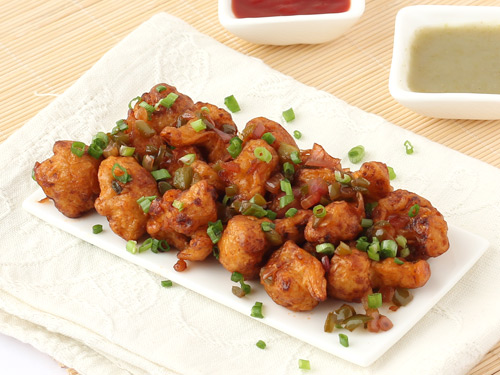

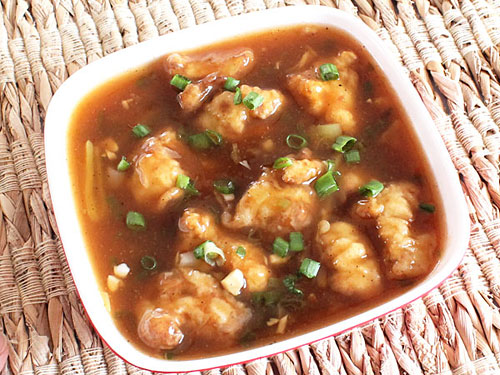
Made with cauliflower florets coated in cornflour batter and fried until crisp.


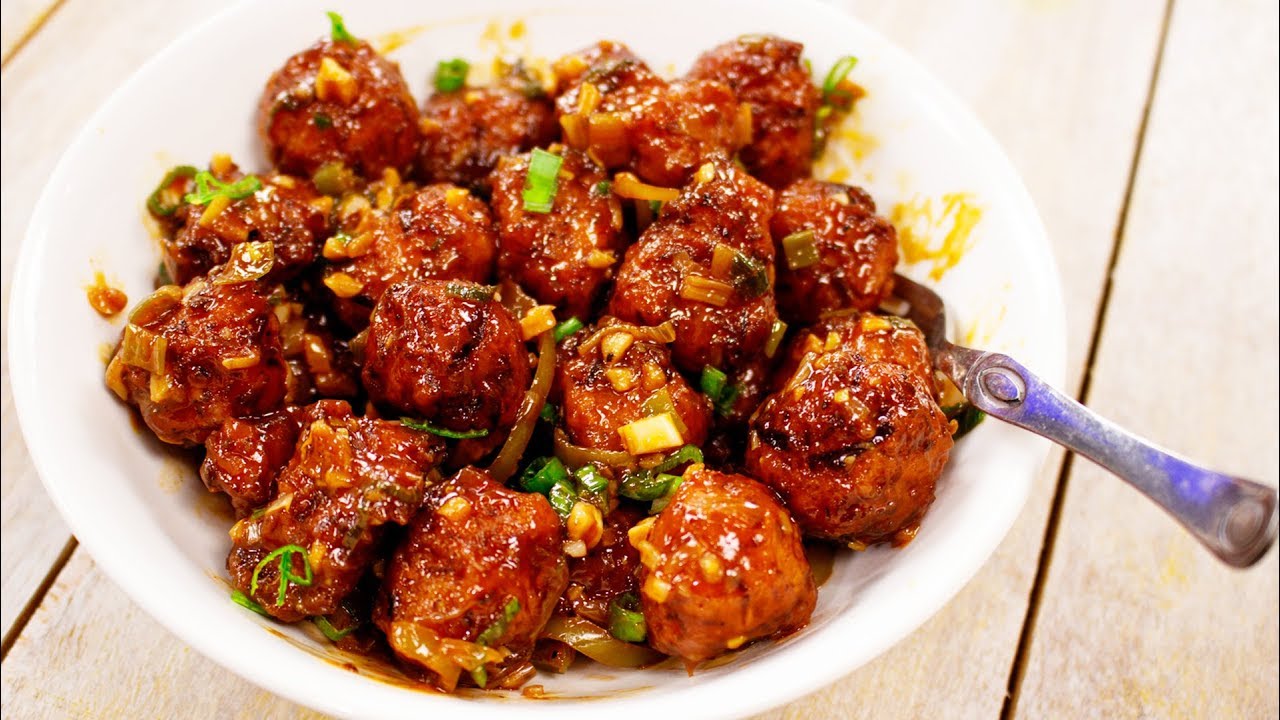
Prepared using grated cabbage, carrot, capsicum, and beans mixed with cornflour and shaped into balls.
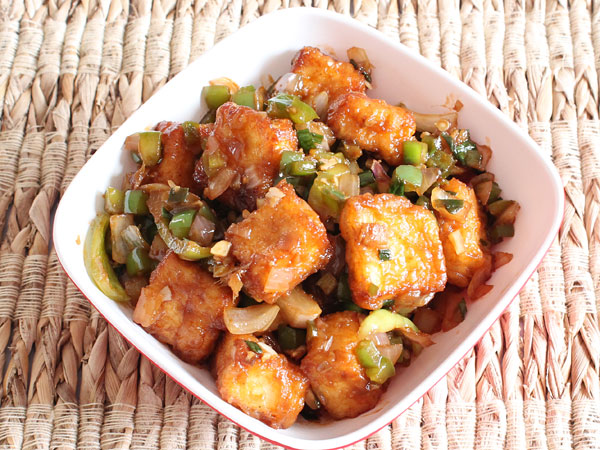
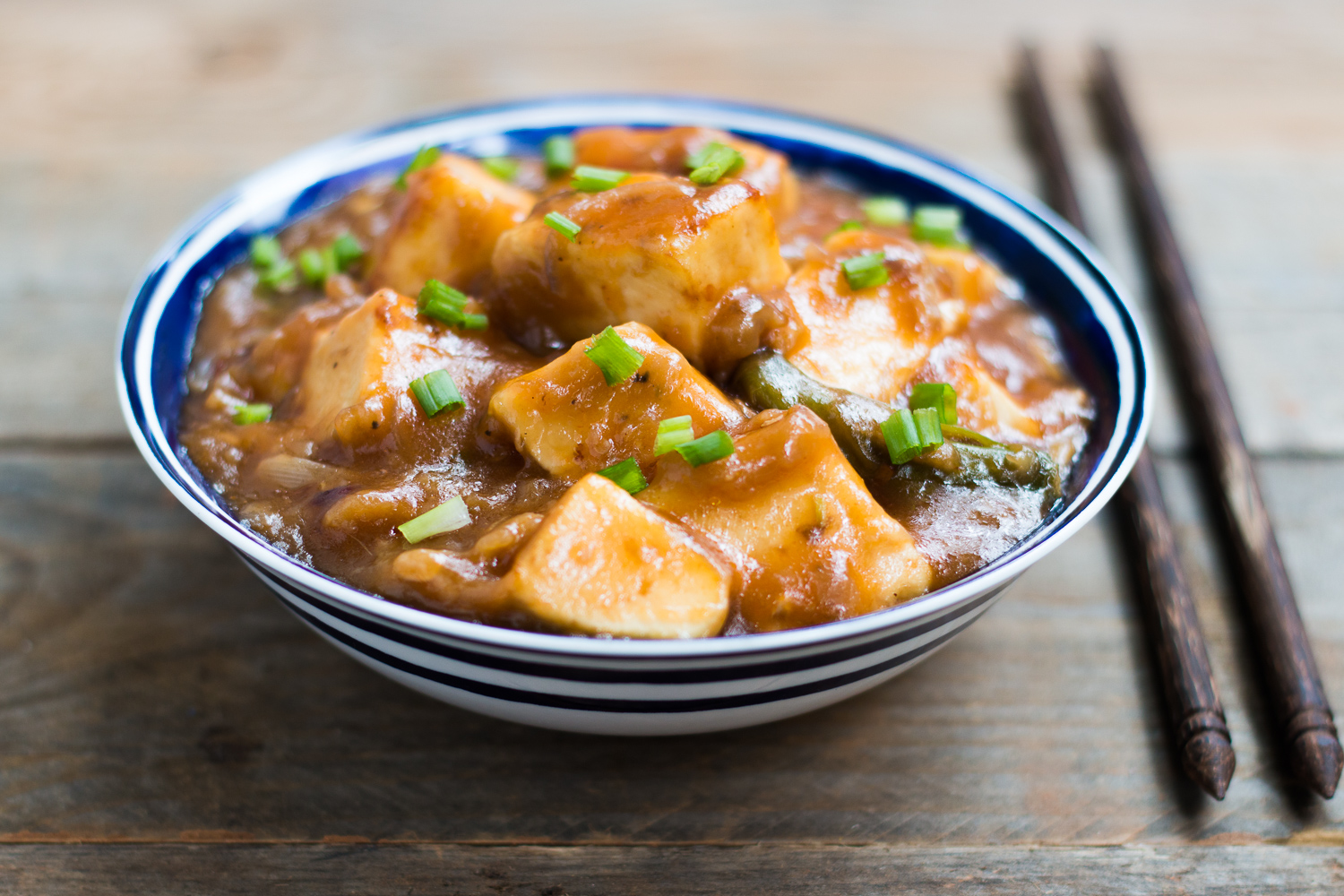
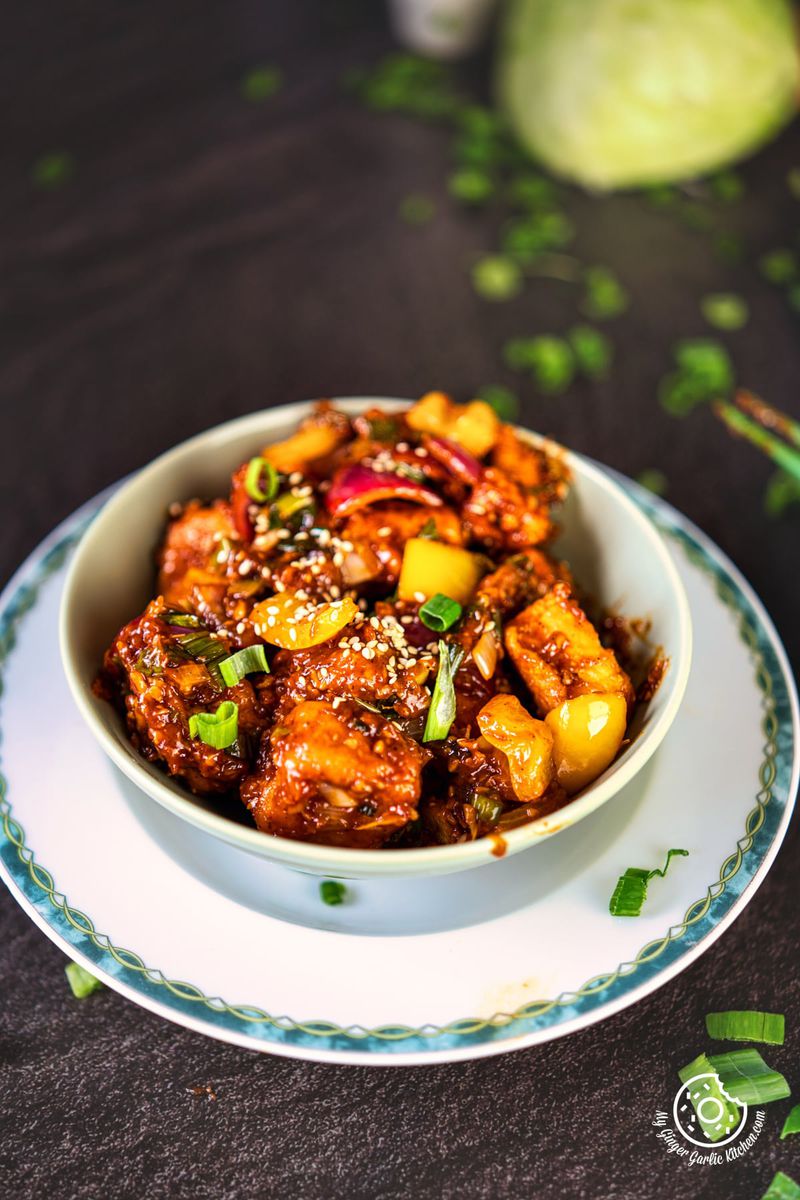
Paneer cubes are coated with cornflour slurry before frying.
Using too much or too little cornflour can ruin your dish.
2 cups grated vegetables
3–4 tablespoons cornflour
2 tablespoons maida (optional, for extra binding)
1 cup cornflour
½ cup maida
Water to make medium-thick batter
1 tablespoon cornflour
3 tablespoons water (slurry)
Golden rule: The mixture should hold shape without becoming doughy.
1 cup finely chopped cabbage
½ cup grated carrot
2 tbsp chopped capsicum
2 tbsp chopped spring onions
3–4 tbsp cornflour
2 tbsp maida
1 tsp ginger-garlic paste
Salt to taste
Pepper to taste
Oil for frying
1 tbsp oil
1 tbsp chopped garlic
1 tbsp chopped ginger
2 tbsp chopped onions
1 tbsp soy sauce
1 tbsp chilli sauce
1 tbsp tomato ketchup
1 tsp vinegar
1 tbsp cornflour slurry
1½ cups water
Spring onions for garnish
Combine cabbage, carrot, capsicum.
Add salt and rest for 5 minutes.
Squeeze out excess water.
This step prevents soggy Manchurian balls.
Add cornflour and maida gradually.
Do NOT add water.
Mix gently until it forms a sticky mixture.
If too dry → add 1 teaspoon water.
If too wet → add 1 tablespoon cornflour.
Shape into small balls.
Heat oil to medium-high (around 170–180°C).
Drop balls gently.
Fry until golden brown.
Double fry for extra crispiness.
Double frying is a secret restaurant technique.
Heat oil.
Add garlic and ginger.
Add onions and sauté on high flame.
Add soy sauce, chilli sauce, ketchup.
Add water and bring to boil.
Now add cornflour slurry while stirring continuously.
Cook until glossy and thick.
Add fried Manchurian balls.
Cook for 1–2 minutes only.
Garnish with spring onions.
Serve hot.
| Type | Cornflour Use |
|---|---|
| Dry Manchurian | More cornflour for crispiness |
| Gravy Manchurian | Cornflour in balls + slurry for sauce |
| Semi-dry | Moderate slurry |
For dry Manchurian, toss balls in thick sauce briefly to retain crunch.
Makes balls hard and rubbery.
Extra water causes balls to break.
Leads to oily and soggy Manchurian.
Always add to boiling liquid.
They lose crispiness.
✔ Always fry on medium-high heat
✔ Double fry for extra crunch
✔ Use fresh cornflour
✔ Add slurry slowly
✔ Cook sauce on high flame
Yes, but texture will differ.
Alternatives:
Arrowroot powder
Rice flour
Potato starch
However, cornflour gives best balance of crispness and binding.
Cornflour is:
Gluten-free
Low in fat
Easy to digest
However, it is high in carbohydrates. Use in moderation.
To make healthier Manchurian:
Air fry instead of deep fry
Use less slurry
Add more vegetables
Restaurants focus on:
Crisp texture
Longer shelf stability
Thick glossy gravy
Cornflour ensures:
Better coating
Attractive shine
Stable sauce consistency
Store cornflour in airtight container.
Keep in cool, dry place.
Avoid moisture.
Always use dry spoon.
Clumpy cornflour affects batter consistency.
Too much moisture or too little cornflour.
Too much cornflour or over-frying.
Double fry + use higher cornflour ratio.
Yes, but texture won’t be identical.
Cornflour is the backbone of perfect Manchurian.
It binds, crisps, thickens, and enhances texture — all in one ingredient.
If you want true restaurant-style Manchurian at home:
Balance cornflour correctly
Fry at right temperature
Use slurry properly
Don’t overcook after mixing
Master these techniques, and your Manchurian will taste just like your favorite restaurant version — crispy outside, juicy inside, and coated in glossy Indo-Chinese sauce.
Now it’s your turn to try this recipe and enjoy homemade restaurant-style Manchurian! 🍽️
Share:

Moringa powder has become increasingly popular among people looking for simple ways to add a green, plant-based ingredie...
Moringa powder is an easy way to add a green ingredient to your everyday meals and drinks. Made from dried moringa leave...
Moringa powder is one of the most nutrient-dense superfoods on the planet, packed with vitamins, minerals, antioxidants,...
Moringa powder has earned its reputation as one of the most nutrient-dense superfoods on the planet. With claims ranging...