
Cart (0)
No products in the cart.
Crispy pakoras and fritters are one of the greatest joys of Indian cooking. Whether it’s onion pakoras on a rainy evening, mixed vegetable bhajiyas during festivals, or crispy paneer fritters served at parties, the perfect crunch is what makes them irresistible. But achieving that restaurant-style crispiness at home often feels tricky.
One simple ingredient makes a huge difference: cornflour.
In this detailed guide, we’ll explore how cornflour transforms pakoras and fritters, the science behind the crisp texture, how to use it properly, and expert tips to get that golden, crunchy finish every time.
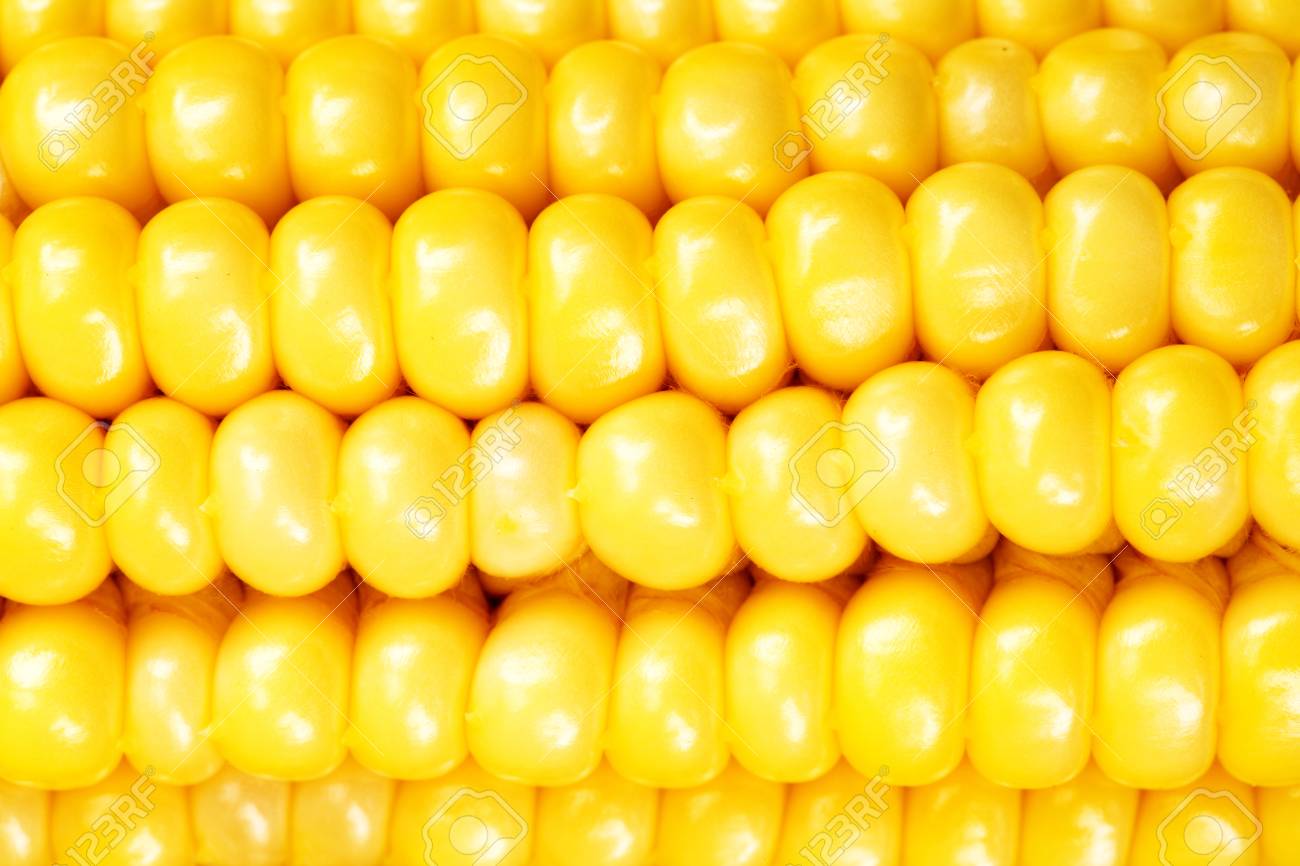

Cornflour (also called cornstarch in some countries) is a fine, white powder extracted from the starchy part of maize (corn) kernels. It is:
Extremely fine and smooth
Almost pure starch
Gluten-free
Neutral in taste
Because it is pure starch, cornflour behaves very differently from regular flour (maida) or gram flour (besan). This difference is exactly why it plays such a powerful role in making pakoras crispy.
To understand why cornflour makes fritters crispy, we need to understand what makes fried food crunchy in the first place.
When batter-coated vegetables hit hot oil:
Water inside the batter turns into steam.
Steam escapes.
A dry outer shell forms.
The drier and more structured this outer layer becomes, the crispier the pakora.
Cornflour helps create that dry, rigid shell faster.
Regular flour (maida) contains gluten proteins. When mixed with water:
Gluten forms elastic strands.
The batter becomes stretchy.
The final texture can turn slightly chewy.
Cornflour contains no gluten.
This means:
No elasticity
No chewiness
Only crisp, brittle structure
That brittle structure is what gives pakoras their signature crunch.
When cornflour heats up in oil:
The starch granules swell.
They form a thin, glassy layer.
This layer hardens as moisture escapes.
The result?
A light, crisp, crackly coating.
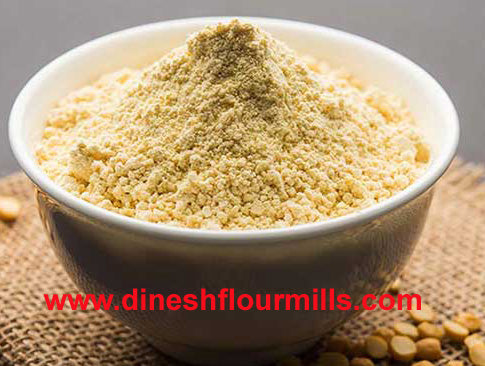


Most traditional pakoras are made using besan (gram flour). So why add cornflour?
| Ingredient | Texture Result | Structure | Crispiness Level |
|---|---|---|---|
| Besan only | Soft inside, slightly dense | Thick coating | Medium |
| Maida | Light but slightly chewy | Elastic | Medium |
| Cornflour | Thin, brittle coating | Rigid | High |
| Besan + Cornflour | Balanced | Strong & crispy | Very High |
For most pakoras:
70–80% besan
20–30% cornflour
This gives:
Structure from besan
Crispiness from cornflour
If you’ve ever wondered why restaurant pakoras stay crispy longer, here’s why:
They often mix cornflour into batter.
Cornflour reduces oil absorption.
It creates a thinner crust.
It keeps pakoras crisp even after cooling slightly.
Cornflour helps prevent the soggy texture that sometimes happens at home.
Oil absorption happens when:
Batter is too wet.
Frying temperature is too low.
Coating is too thick.
Cornflour helps because:
It forms a quick-sealing crust.
It traps less moisture.
Less moisture means less oil soaking in.
Result:
Lighter pakoras
Less greasy finish
Crisp bite

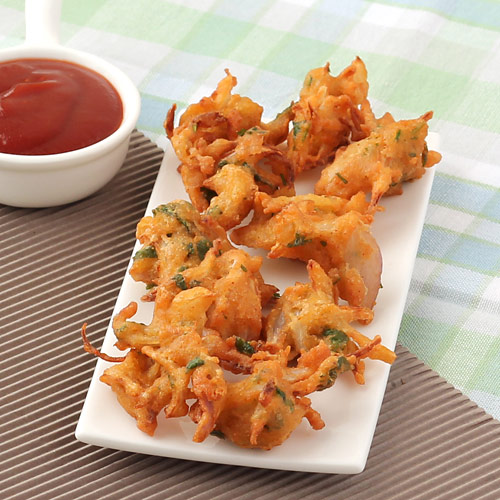

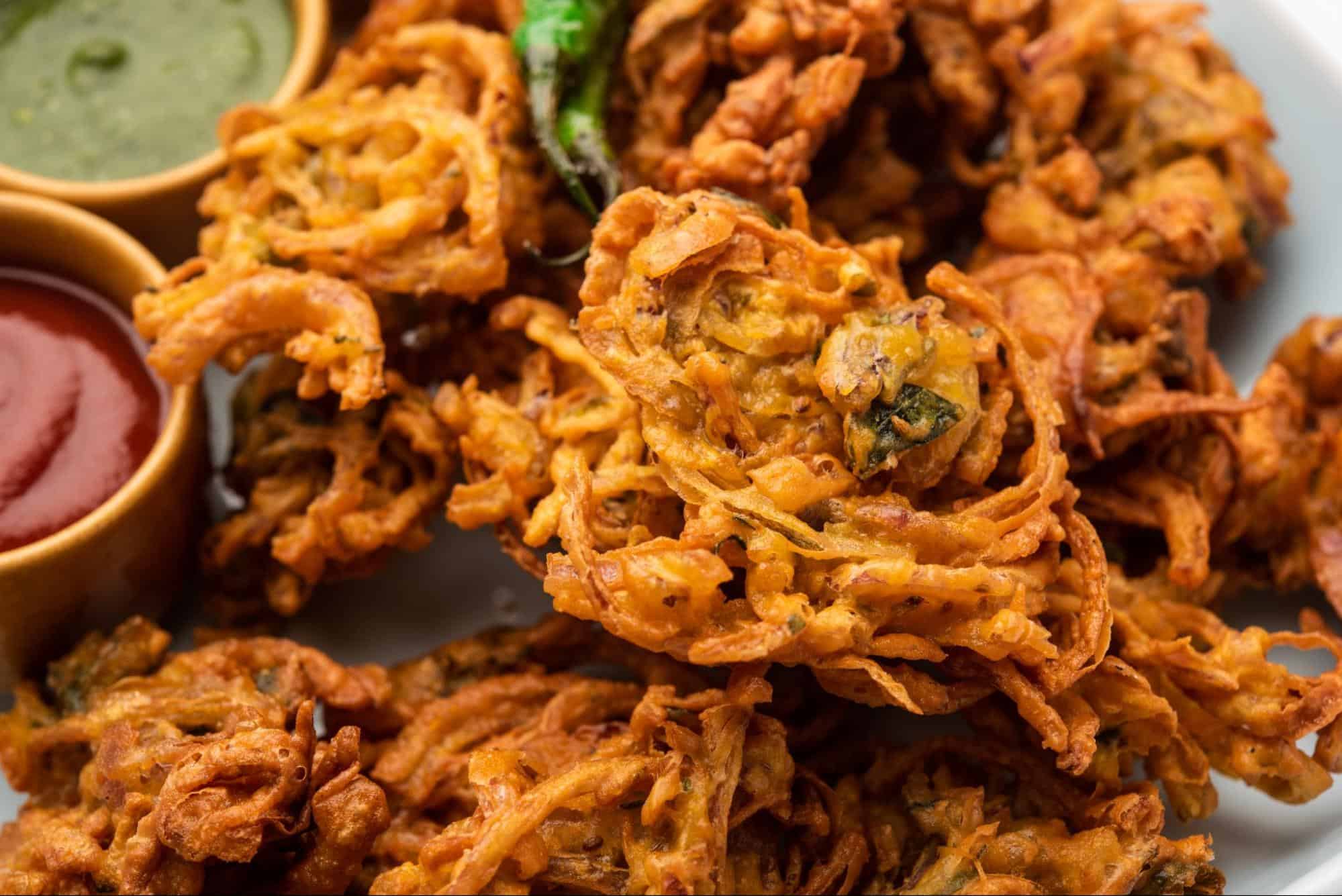
Onions release a lot of water. Cornflour helps:
Bind excess moisture
Create thin crispy edges
Prevent sogginess
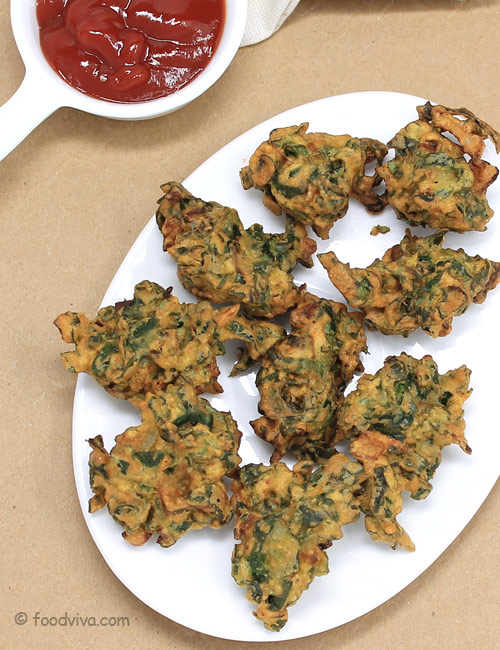

Vegetables like:
Spinach
Potato
Cauliflower
Capsicum
All benefit from cornflour for extra crunch.
Paneer is soft and moist. Cornflour:
Creates a crisp shell
Prevents soggy coating
Enhances texture contrast
Cornflour works especially well in:
Chicken pakoras
Fish fry coatings
Indo-Chinese starters
It creates a light, crispy outer layer without heaviness.
Here’s a simple guide:
For 1 cup besan → Add 2–3 tablespoons cornflour
For 2 cups besan → Add ¼ cup cornflour
For very crispy fritters → Up to 30% cornflour
Avoid adding too much, or the coating may become too hard.
1 cup besan
2–3 tbsp cornflour
Salt to taste
½ tsp turmeric
1 tsp red chilli powder
Ajwain (optional)
Water (as needed)
Mix besan and cornflour.
Add spices.
Slowly add water to form thick batter.
Do not overmix.
Heat oil to medium-high.
Drop batter-coated vegetables.
Fry until golden brown.
Tip: Oil temperature should be around 170–180°C.
Add 1 tablespoon hot oil into batter before frying.
Crowding reduces oil temperature → soggy pakoras.
Fry once at medium heat.
Rest 2 minutes.
Fry again at high heat for extra crunch.
Thin batter absorbs more oil.
❌ Adding too much → Hard crust
❌ Frying at low temperature → Oily pakoras
❌ Very watery vegetables → Diluted batter
❌ Overmixing → Dense coating
Balance is key.
Cornflour also works in air frying.
Benefits:
Helps browning
Creates slight crispiness
Reduces dryness
Spray lightly with oil for best results.


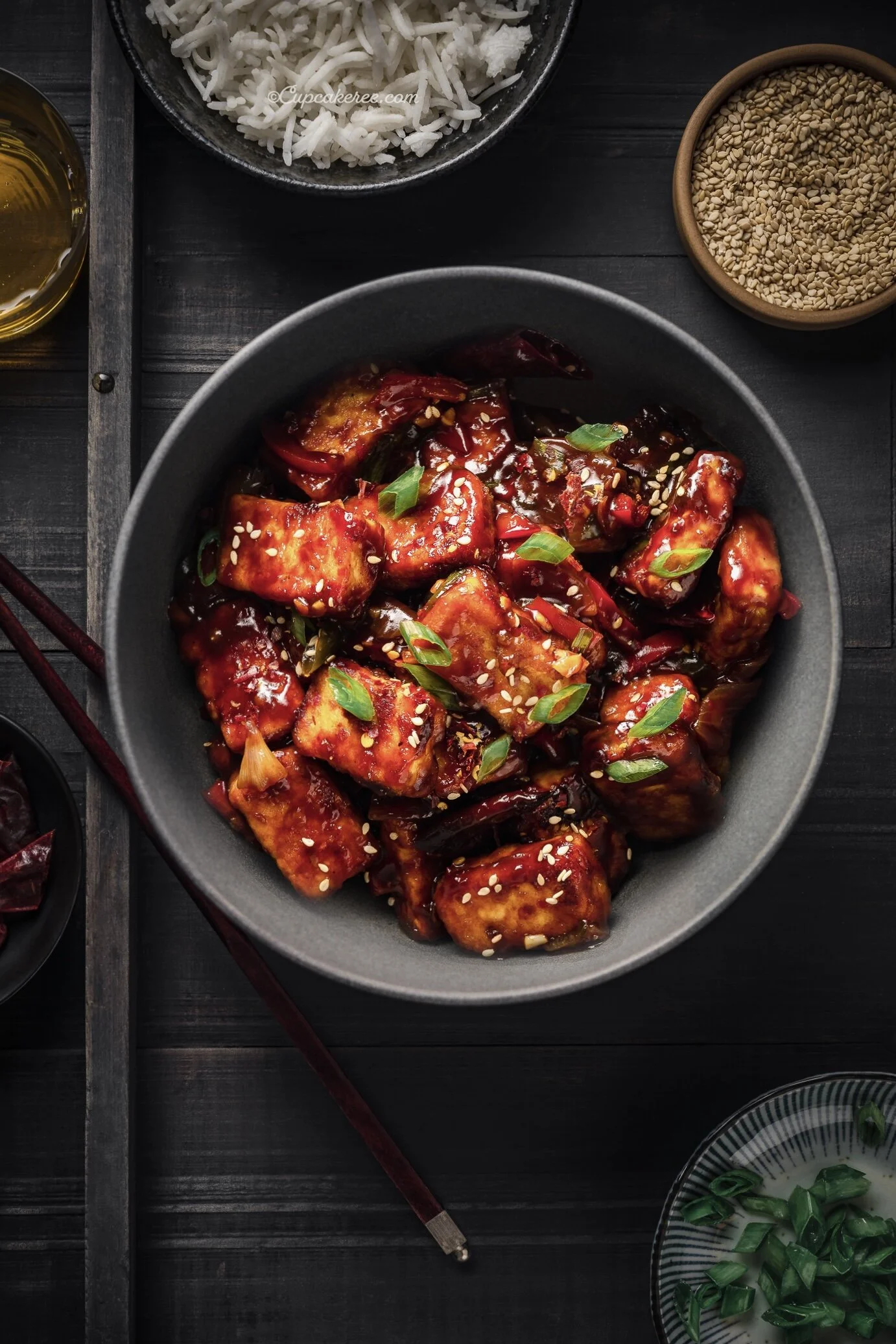
In dishes like:
Gobi Manchurian
Chilli Paneer
Veg Manchurian
Cornflour is essential because:
It binds vegetables
Creates crisp exterior
Helps sauces cling better
Pakoras soften due to:
Steam condensation
Humidity
Thick batter
Cornflour slows this process by:
Creating thinner crust
Reducing internal moisture
Forming tighter structure
That’s why cornflour pakoras stay crisp longer than besan-only ones.
Cornflour itself:
Is low in fat
Has no gluten
Is pure carbohydrate
But remember:
Pakoras are fried.
Oil quality and portion size matter more than cornflour.
Moderation is key.
Yes, but:
Coating may become too brittle.
Flavor may feel flat.
Texture may lack body.
Best practice:
Mix cornflour with besan.
Cornflour improves pakoras and fritters because:
✔ It contains no gluten
✔ It forms a brittle crust
✔ It reduces oil absorption
✔ It locks in moisture quickly
✔ It enhances crunch
✔ It keeps fritters crisp longer
The magic lies in its starch structure.
If you want:
Restaurant-style crunch
Golden texture
Light coating
Non-greasy finish
Adding cornflour to your pakora batter is the simplest and most effective upgrade.
The secret to perfectly crispy pakoras isn’t complicated. It’s about understanding texture science and using the right combination of ingredients.
Cornflour transforms ordinary fritters into crunchy delights by creating a thin, rigid, golden shell that crackles with every bite. When balanced with besan, it gives the ideal mix of structure and crispiness.
Next time you prepare pakoras—whether onion, paneer, vegetable, or chicken—add a little cornflour and experience the difference yourself.
Because sometimes, the smallest ingredient makes the biggest impact.
Share:

Moringa powder is an easy way to add a green ingredient to your everyday meals and drinks. Made from dried moringa leave...
There is something almost magical about a perfect chocolate mousse. It slides onto your spoon like silk, dissolves on yo...
There's a particular kind of magic in cutting into a cheesecake and watching it hold its shape — smooth, dense, and glos...
There is something quietly magical about watching a pool of fruit juice transform into a jiggly, translucent jelly right...