
Cart (0)
No products in the cart.
Constipation is one of the most common digestive complaints worldwide. Irregular bowel movements, hard stools, bloating, and discomfort can significantly affect daily life. While over-the-counter laxatives offer quick relief, many people prefer natural, long-term solutions that improve gut health rather than simply forcing a bowel movement.
One of the most effective and widely recommended natural remedies is flax seeds, scientifically known as Linum usitatissimum. These tiny golden or brown seeds are packed with fiber, healthy fats, and plant compounds that support digestive health.
In this detailed guide, you will learn:
Why constipation happens
How flax seeds help relieve constipation
The science behind their effectiveness
How to use flax seeds correctly
Proper dosage and precautions
Best recipes and combinations
Who should avoid them
Let’s explore how flax seeds can naturally support healthy digestion.
Constipation is typically defined as:
Fewer than three bowel movements per week
Hard, dry, or lumpy stools
Straining during bowel movements
Feeling of incomplete evacuation
Constipation can occur due to:
Low fiber intake
Dehydration
Sedentary lifestyle
Stress
Hormonal changes
Certain medications
Ignoring the urge to go
Modern diets often lack sufficient fiber, which is one of the main reasons constipation has become so common.
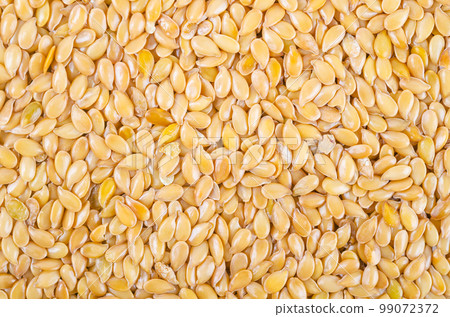


Flax seeds are small, flat, oval-shaped seeds available in two main varieties:
Brown flax seeds
Golden flax seeds
Both types offer similar nutritional benefits.
2.8g dietary fiber
1.8g plant protein
4g healthy fats (including omega-3)
Rich in lignans (plant antioxidants)
Magnesium, phosphorus, and B vitamins
Their high fiber content makes them especially powerful for digestive health.
Flax seeds work in multiple ways to improve bowel movement.
Flax seeds contain both:
Soluble fiber
Insoluble fiber
Absorbs water
Forms a gel-like substance
Softens stool
Makes it easier to pass
Adds bulk to stool
Speeds up intestinal movement
Prevents stool from becoming hard
This dual fiber action makes flax seeds highly effective for natural relief.
When soaked in water, flax seeds form a gel-like coating called mucilage.
This mucilage:
Lubricates the intestines
Reduces strain
Eases stool passage
Soothes irritated bowel lining
This makes flax seeds gentler compared to stimulant laxatives.
The fiber stimulates peristalsis (wave-like muscle contractions of the intestines), helping move stool efficiently through the colon.
Soluble fiber acts as a prebiotic, feeding beneficial gut bacteria.
Healthy gut bacteria:
Improve digestion
Reduce bloating
Promote regular bowel movements
Long-term use of flax seeds improves overall digestive health rather than providing temporary relief.
Research has shown that flax seed supplementation:
Increases stool frequency
Improves stool consistency
Reduces abdominal discomfort
Improves symptoms in individuals with chronic constipation
Studies also suggest flax seeds can be as effective as some fiber supplements but with additional nutritional benefits.
Pros:
Longer shelf life
Easy to store
Cons:
May pass undigested
Less effective for constipation
Pros:
Easier to digest
Better nutrient absorption
More effective fiber action
For constipation relief, freshly ground flax seeds are ideal.
Method:
1 tablespoon ground flax seeds
1 glass warm water
Stir and drink immediately
Follow with another glass of water
Best taken:
Morning on an empty stomach
Or before bedtime
Relief may begin within 12–24 hours.
Method:
1 tablespoon whole flax seeds
1 cup water
Soak overnight
Drink the gel-like mixture in the morning.
This method is especially helpful for dry, hard stools.
Add:
1 tablespoon ground flax
Banana
Yogurt
Spinach
Water or milk
This adds fiber while improving taste and texture.
Mix into warm oatmeal for a high-fiber breakfast that supports bowel movement throughout the day.
Combining flax seeds with probiotics improves gut bacteria balance and enhances digestive benefits.
For adults:
Start with 1 teaspoon daily
Gradually increase to 1–2 tablespoons per day
Important:
Always increase gradually
Drink plenty of water
Without adequate water, fiber may worsen constipation.
Mild constipation: 12–24 hours
Chronic constipation: 2–3 days
Long-term regulation: 1–2 weeks
Consistency is key.
Although mainly used for constipation, flax seeds offer several other benefits.
Rich in omega-3 fatty acids, flax seeds help reduce inflammation and support cardiovascular function.
Fiber slows glucose absorption, helping manage blood sugar levels.
Fiber increases fullness and reduces overeating.
Lignans in flax seeds may help regulate estrogen levels.
| Remedy | Works How | Speed | Long-Term Benefit |
|---|---|---|---|
| Isabgol (Psyllium) | Bulk-forming | Fast | Moderate |
| Chia Seeds | Gel-forming | Moderate | Good |
| Aloe Vera | Stimulant | Fast | Not ideal long-term |
| Flax Seeds | Bulk + Gel + Prebiotic | Moderate | Excellent |
Flax seeds provide a balanced and sustainable solution.
Although generally safe, flax seeds may not be suitable for:
Individuals with bowel obstruction
People with severe intestinal narrowing
Those allergic to flax
Individuals on blood-thinning medication (consult doctor)
Pregnant women should consult healthcare providers before high intake.
If consumed excessively or without water:
Bloating
Gas
Abdominal discomfort
Diarrhea
Start small and increase gradually.
For constipation relief:
Early morning (empty stomach)
Or before bedtime
Morning consumption is usually more effective.
Store whole seeds in airtight container
Keep in cool, dry place
Refrigerate ground flax seeds
Use ground flax within 2–3 weeks
Freshness ensures maximum effectiveness.
Day 1–2:
1 teaspoon ground flax + warm water
Day 3–4:
1 tablespoon daily + increase water intake
Day 5–7:
Add flax to breakfast + maintain hydration
Most people notice improved regularity by the end of the week.
Yes. Daily use is safe when taken with adequate water.
Small amounts may help, but consult a pediatrician first.
Flax seeds provide fiber plus additional nutrients, making them more beneficial overall.
No. They support natural bowel function rather than forcing it.
Constipation is often a sign that your diet lacks adequate fiber and hydration. Instead of relying solely on laxatives, incorporating natural fiber sources can provide sustainable relief.
Flax seeds (Linum usitatissimum) are one of the most effective natural remedies for constipation due to their unique combination of soluble fiber, insoluble fiber, and mucilage-forming properties.
When used correctly:
They soften stool
Improve bowel frequency
Support gut bacteria
Promote long-term digestive health
For best results:
Use ground flax seeds
Drink plenty of water
Stay physically active
Maintain a balanced diet
With consistent use, flax seeds can help restore natural, comfortable digestion and reduce the discomfort of constipation safely and effectively.
Share:

Moringa powder has become increasingly popular among people looking for simple ways to add a green, plant-based ingredie...
Moringa powder is an easy way to add a green ingredient to your everyday meals and drinks. Made from dried moringa leave...
Moringa powder is one of the most nutrient-dense superfoods on the planet, packed with vitamins, minerals, antioxidants,...
Moringa powder has earned its reputation as one of the most nutrient-dense superfoods on the planet. With claims ranging...