
Cart (0)
No products in the cart.
Coffee is more than just a morning beverage — it’s a ritual, a culture, an industry, and for many, a daily necessity. From the first sip of a strong espresso to a creamy latte enjoyed at a café, coffee has become deeply embedded in lifestyles across the world.
In this ultimate guide to coffee, we’ll explore:
The history of coffee
Types of coffee beans
Popular coffee drinks
Health benefits and side effects
Brewing methods explained
How to choose and buy the best coffee
Storage tips and expert advice
Whether you're a beginner or a coffee enthusiast, this guide will help you understand coffee inside out.
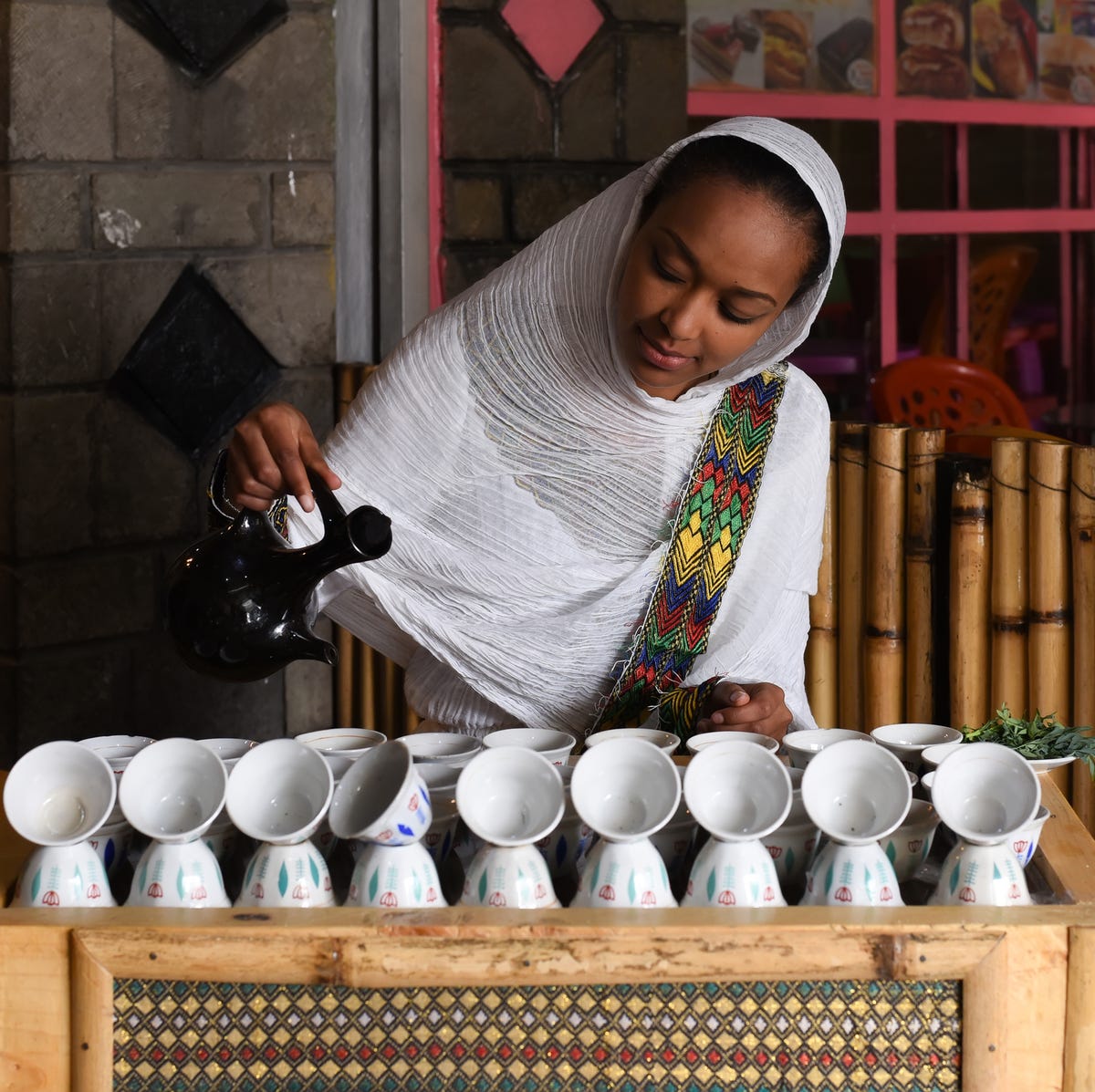


Coffee’s journey began in Ethiopia, where legend says a goat herder named Kaldi discovered coffee after noticing his goats became energetic after eating red coffee cherries.
From Ethiopia, coffee spread to:
Yemen and the Arabian Peninsula
Turkey
Europe in the 17th century
America through colonial trade
By the 18th century, coffee houses became centers of intellectual discussion. Today, coffee is one of the most traded commodities globally.
There are four main species of coffee, but two dominate the global market:
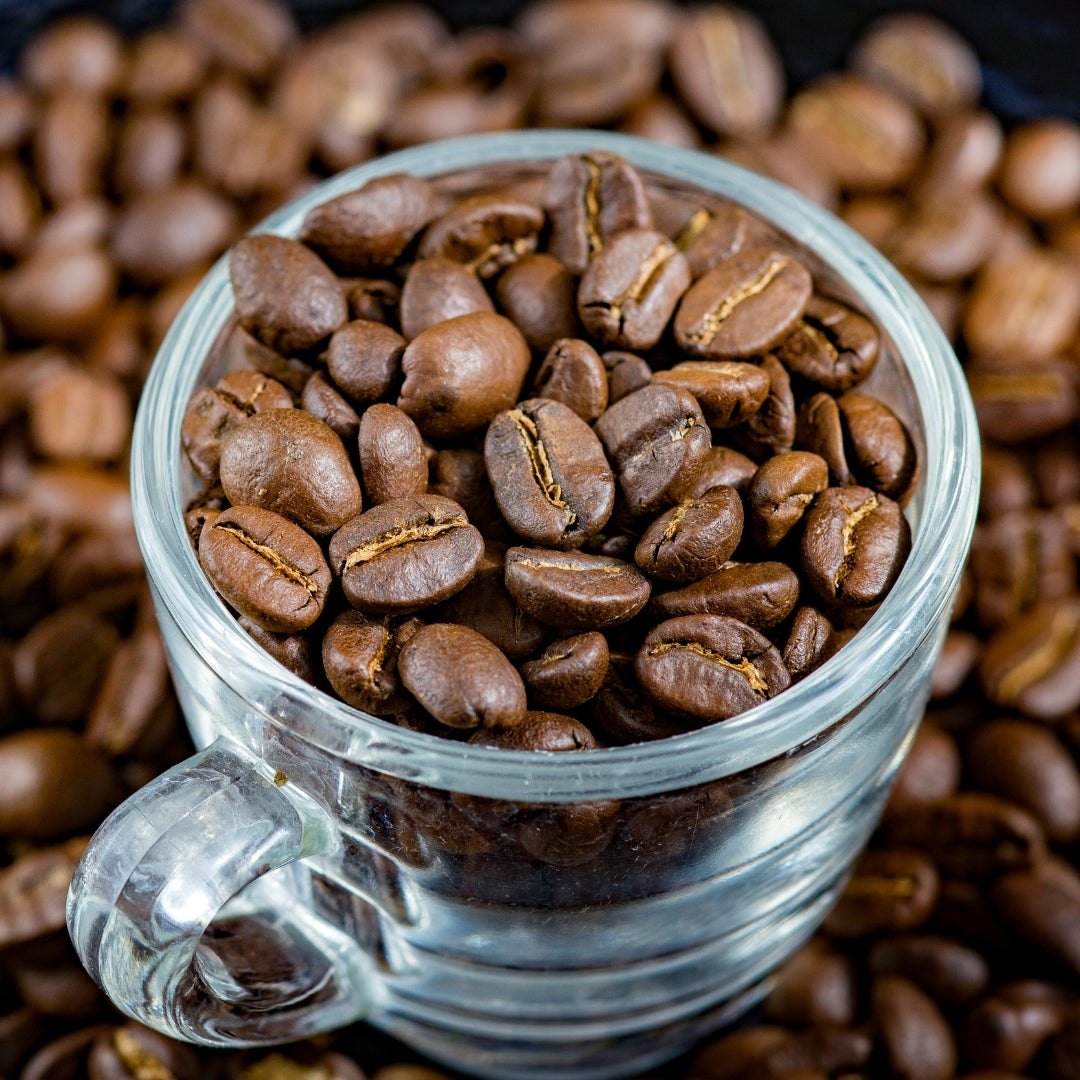


Accounts for 60–70% of global production
Smooth, mild, slightly sweet flavor
Higher acidity
Grown at higher altitudes
Best for: Specialty coffee, premium blends.
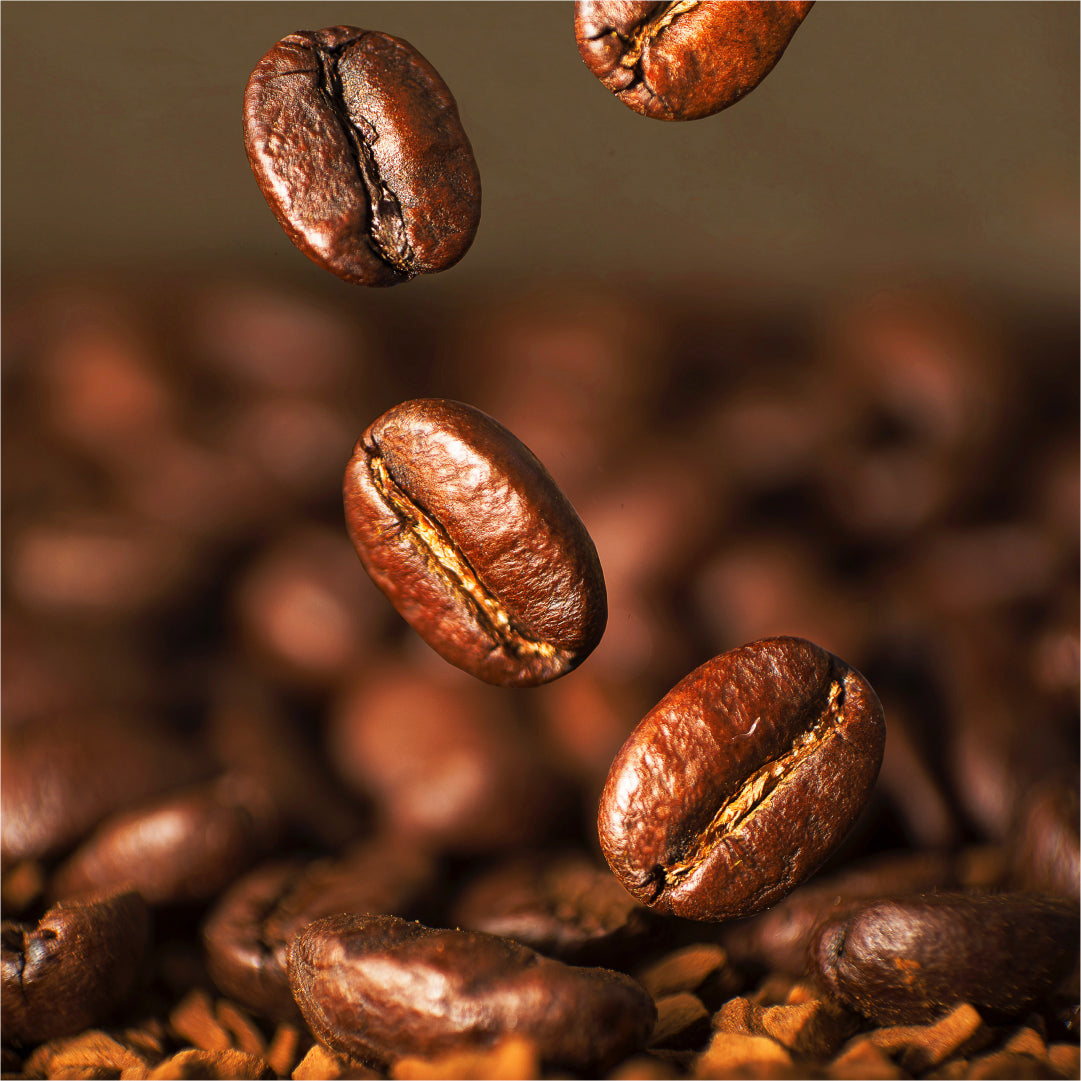


Strong, bold, bitter taste
Higher caffeine content
Easier to grow
Often used in espresso blends
Best for: Strong coffee lovers, instant coffee.
Rare and unique
Smoky, woody flavor
Larger beans
Tart and fruity
Used mainly in blends

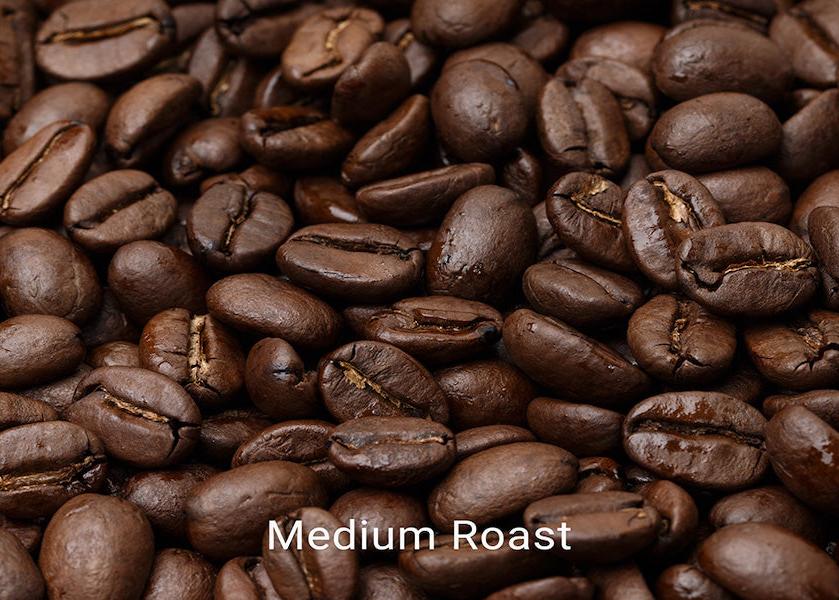

Roasting transforms green coffee beans into aromatic brown beans.
Light brown color
High acidity
Preserves original bean flavor
Balanced flavor
Medium acidity
Most popular roast
Dark brown, oily surface
Bold, smoky flavor
Lower acidity

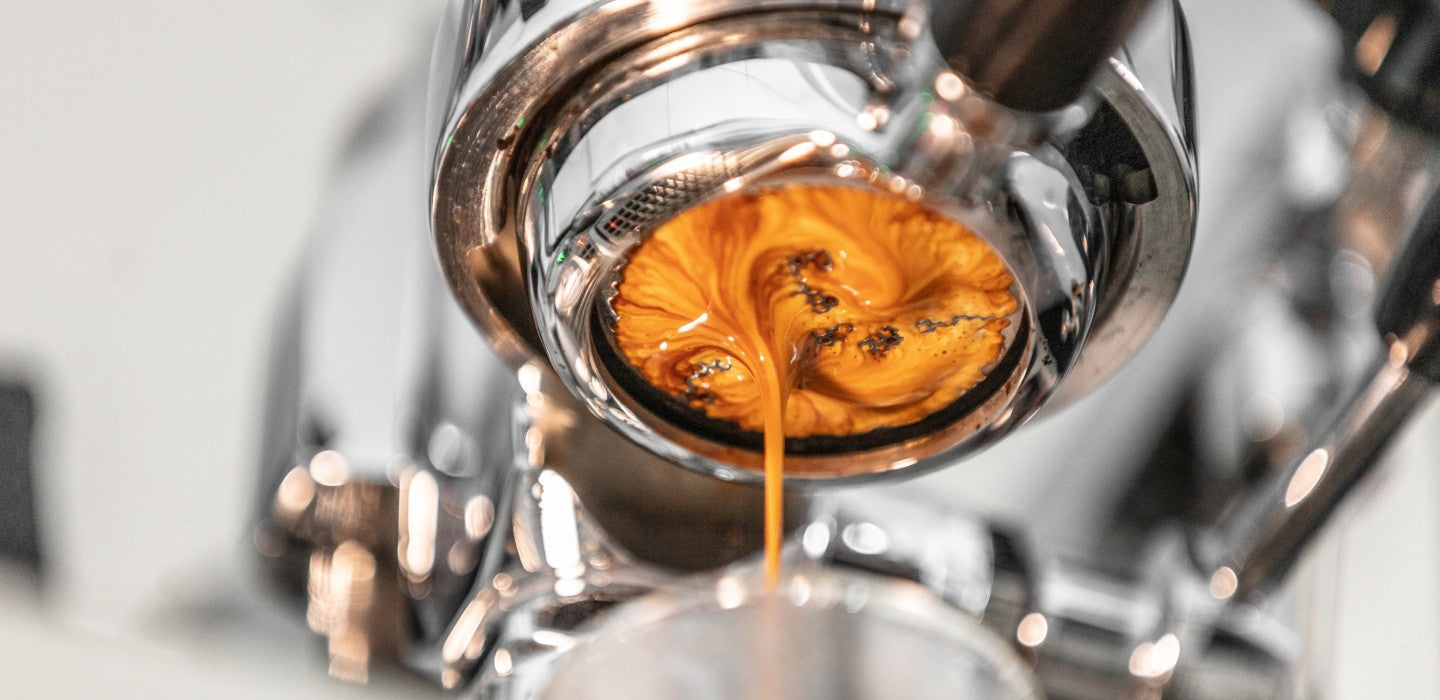
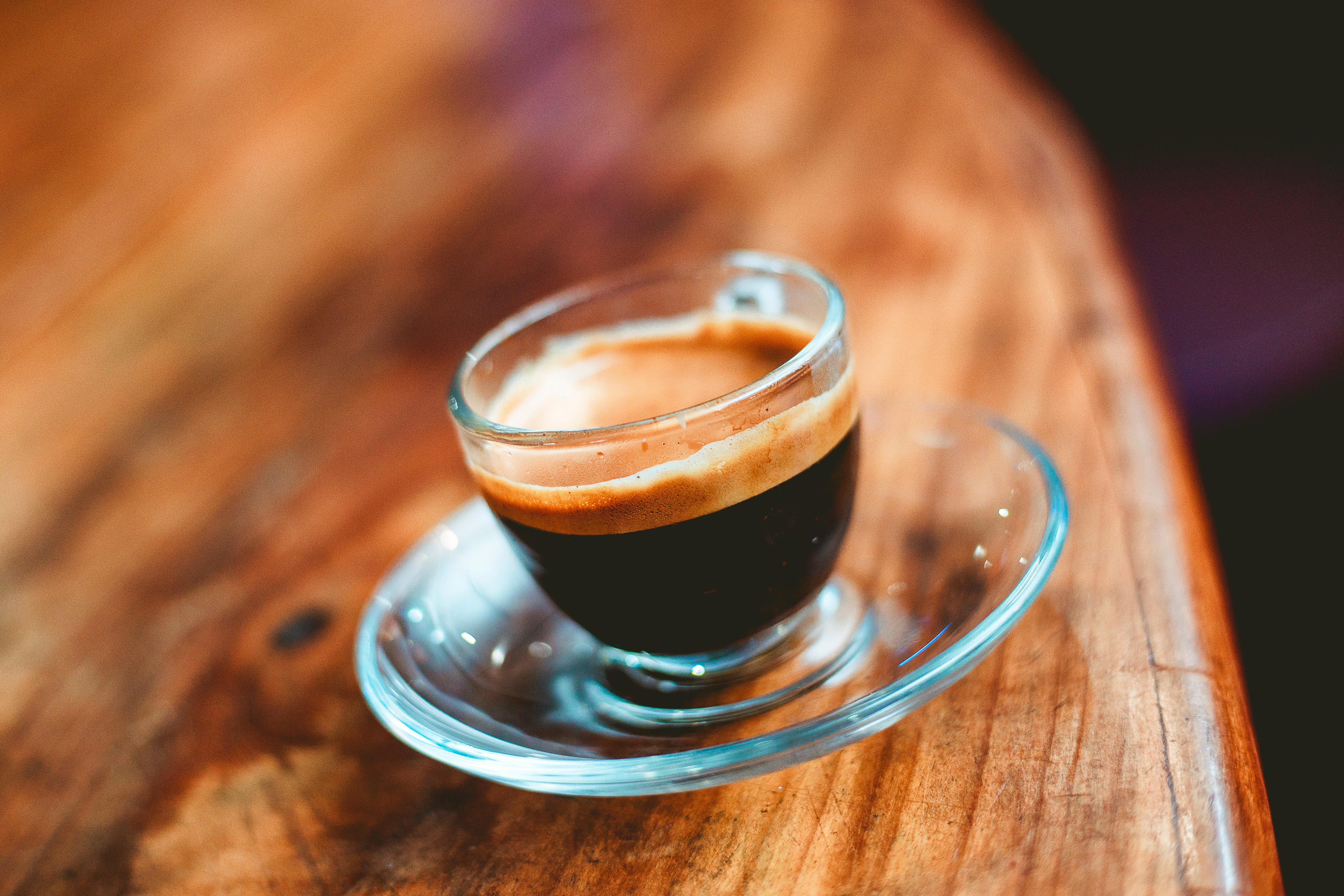
Strong concentrated coffee
Base for many drinks
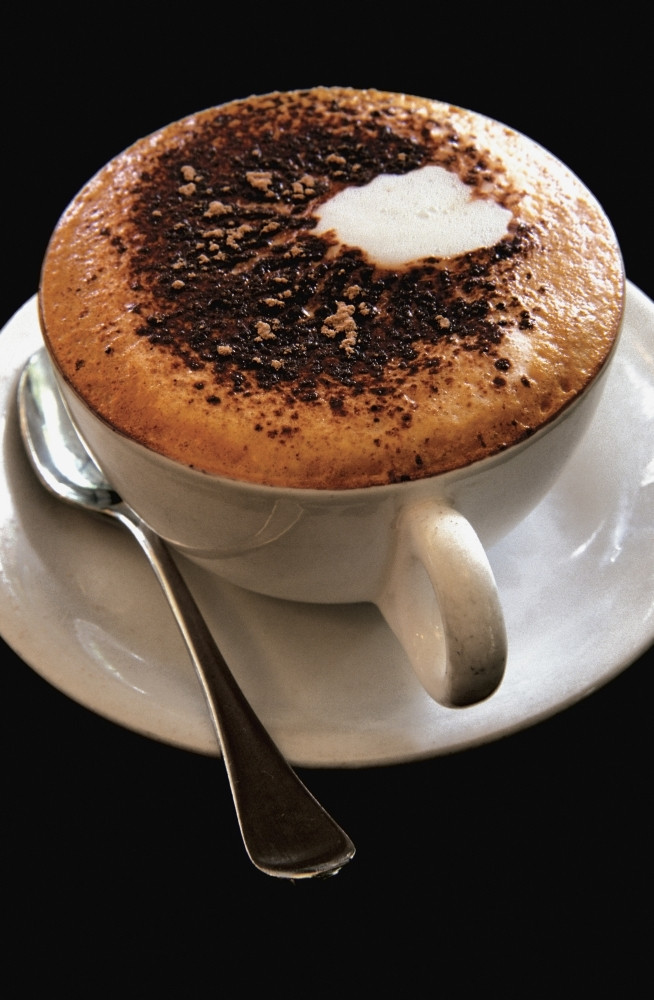

1/3 espresso
1/3 steamed milk
1/3 foam
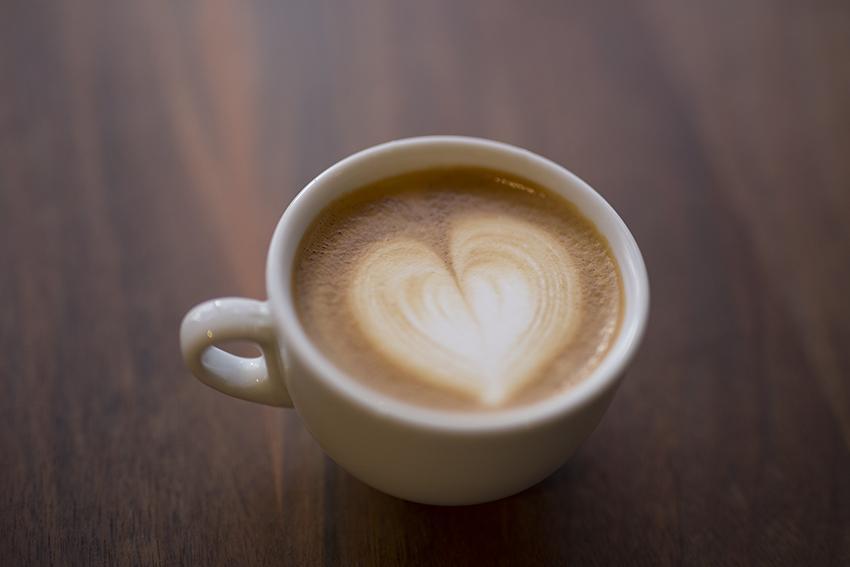

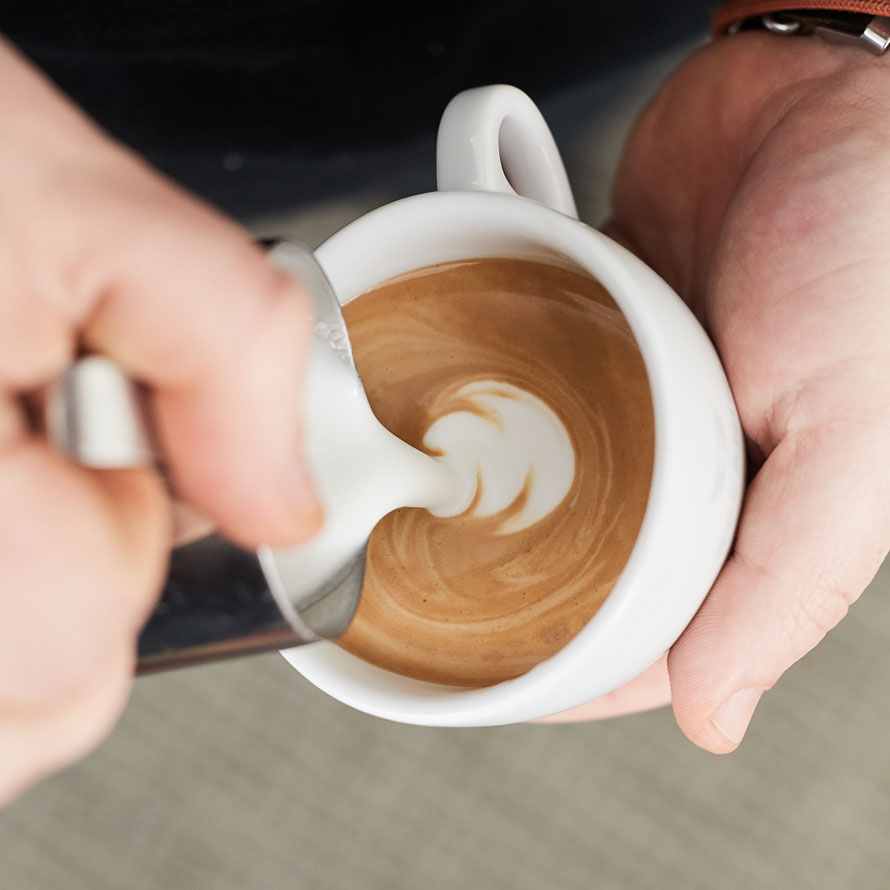
Espresso + more steamed milk
Mild and creamy
Espresso + hot water
Similar strength to drip coffee
Espresso + chocolate + milk


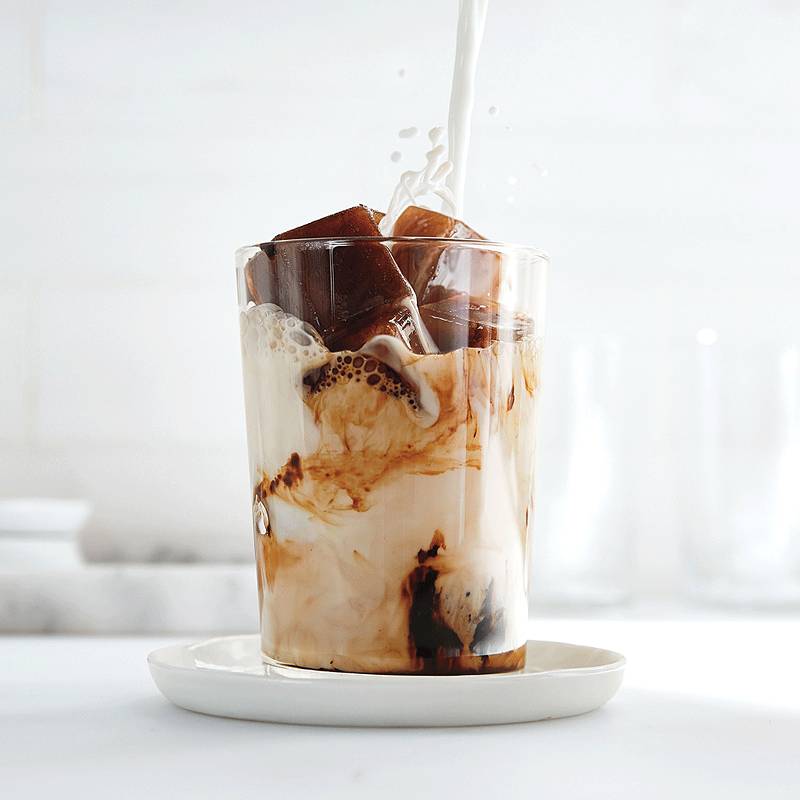
Steeped in cold water for 12–24 hours
Smooth, low acidity
Coffee is more than just caffeine.
Coffee contains polyphenols that fight oxidative stress.
Caffeine blocks adenosine, reducing fatigue.
Moderate intake may lower risk of heart disease.
Can enhance fat burning temporarily.
Studies suggest regular coffee drinkers may have lower risk.
Too much coffee can cause:
Insomnia
Anxiety
Acid reflux
Increased heart rate
Safe caffeine limit: About 300–400 mg per day (3–4 cups).
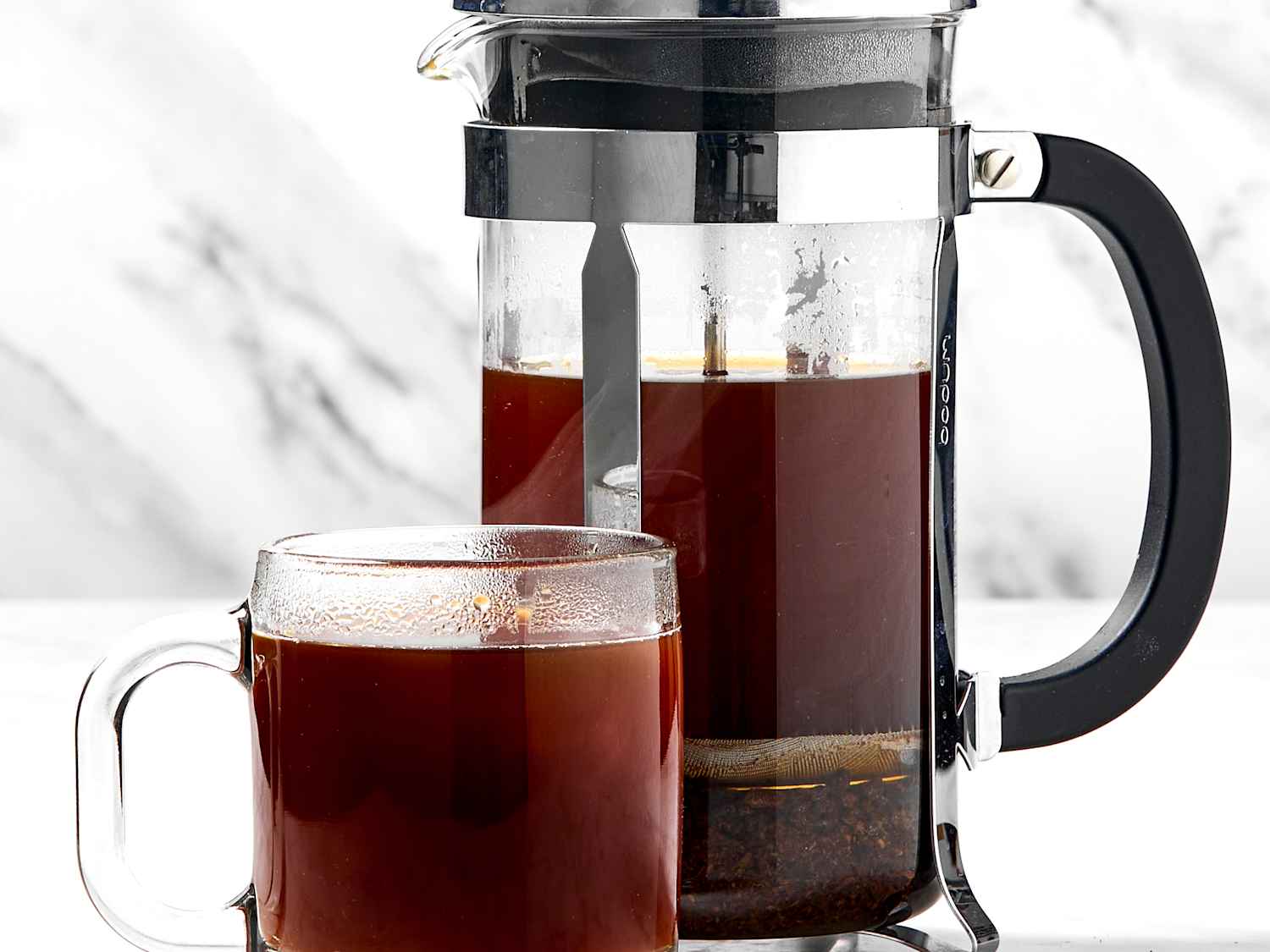

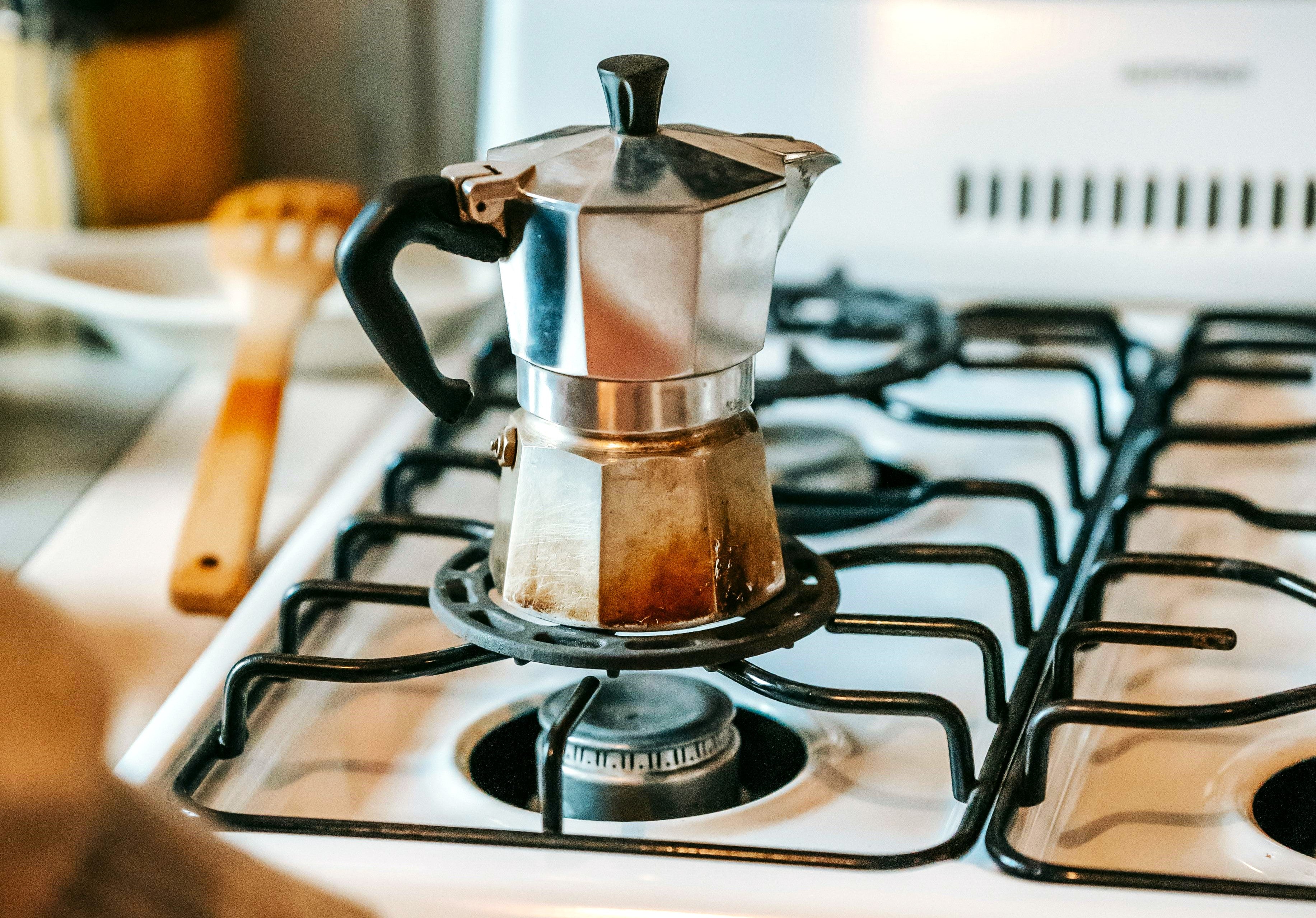
Full-bodied
Easy to use
No paper filter
Clean, crisp taste
Controlled brewing
Strong, espresso-like coffee
High pressure extraction
Café-style coffee
Convenient
Good for large quantities
| Feature | Instant Coffee | Ground Coffee |
|---|---|---|
| Preparation | Very easy | Requires brewing |
| Flavor | Mild | Rich |
| Freshness | Lower | Higher |
| Convenience | High | Medium |
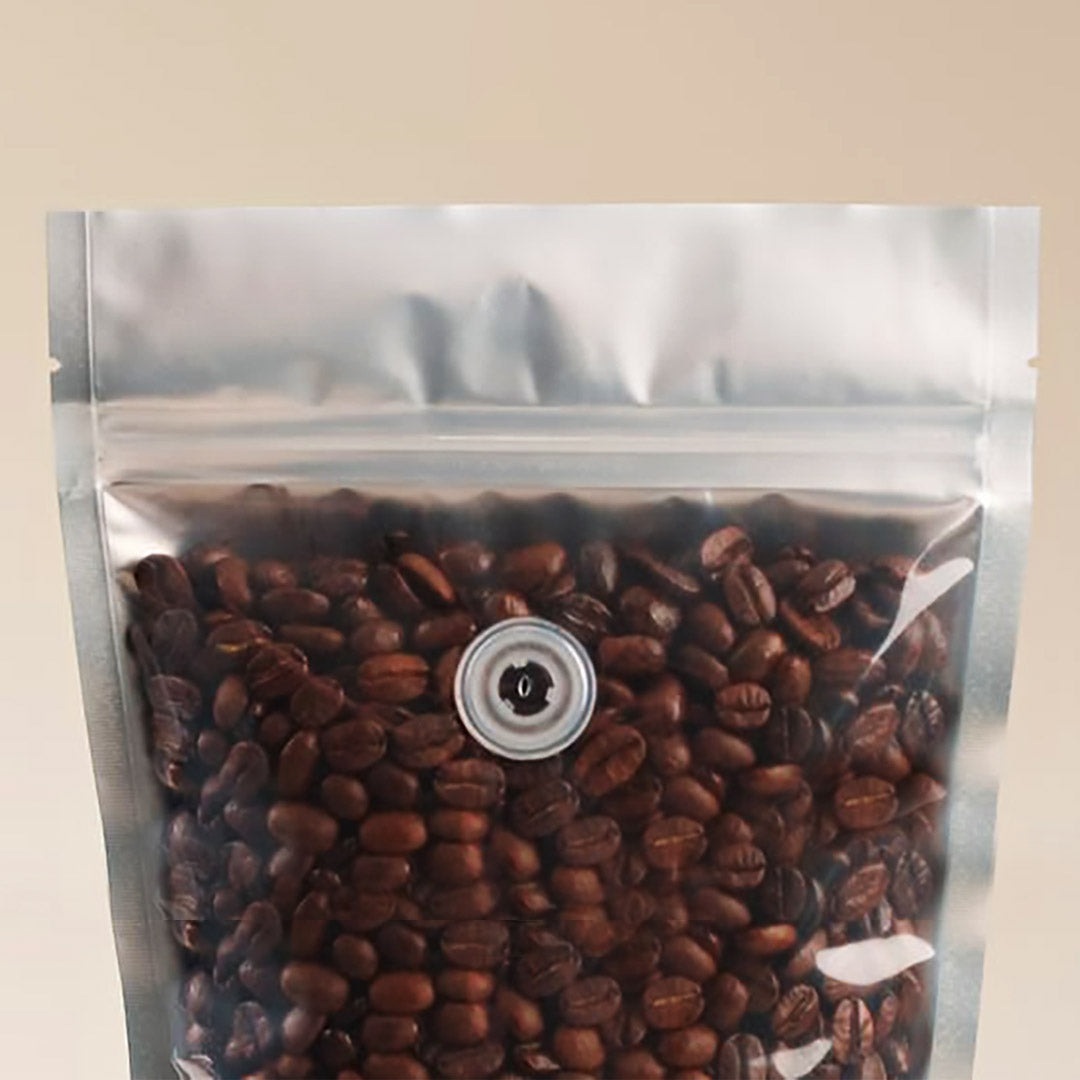


Fresh coffee tastes better within 2–4 weeks of roasting.
Grind just before brewing for maximum flavor.
Match roast with your taste preference.
Ethiopia – Fruity
Colombia – Balanced
Brazil – Nutty
Airtight
One-way valve
Keep in airtight container
Store away from light & heat
Avoid fridge (moisture risk)
Buy smaller quantities
Specialty Coffee:
High quality beans
Traceable origin
Better roasting
Commercial Coffee:
Mass produced
Consistent but less complex

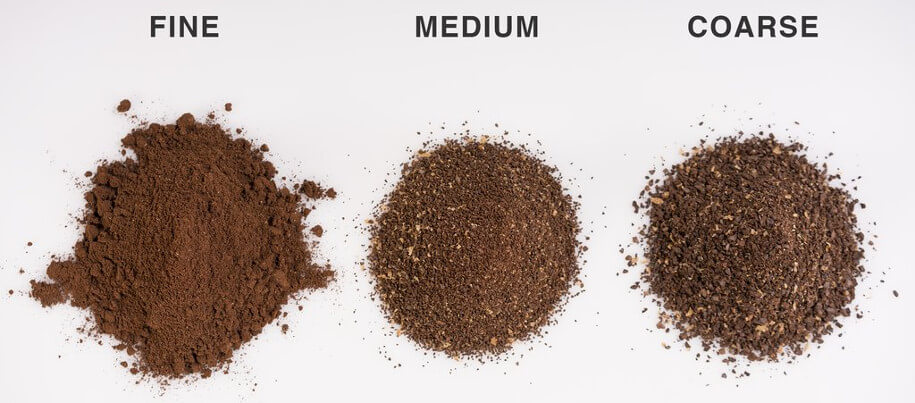

| Grind Size | Best For |
|---|---|
| Coarse | French press |
| Medium | Drip |
| Fine | Espresso |
| Extra Fine | Turkish coffee |
Decaf contains minimal caffeine but retains antioxidants. Good for those sensitive to caffeine.
Look for:
Organic certification
Fair Trade labels
Shade-grown coffee
These practices support farmers and the environment.


Turkey – Thick, unfiltered
Italy – Espresso culture
Vietnam – Sweet iced coffee
India – Filter coffee
Myth: Coffee stunts growth.
Fact: No scientific proof.
Myth: Dark roast has more caffeine.
Fact: Light roast slightly higher.
Use filtered water
Measure coffee accurately (1:15 ratio)
Use fresh beans
Preheat equipment
Clean equipment regularly
Q: How much coffee per day is safe?
A: 2–4 cups for most adults.
Q: Is coffee good for weight loss?
A: It may boost metabolism but isn’t a magic solution.
Q: Can coffee cause dehydration?
A: Moderate coffee doesn’t cause dehydration.
Coffee is a fascinating beverage with a rich history, diverse flavors, and numerous brewing styles. Whether you enjoy a strong espresso or a smooth cold brew, understanding coffee helps you choose better beans, brew better cups, and enjoy the experience more fully.
By learning about:
Bean types
Roast levels
Brewing methods
Health benefits
Buying tips
You can transform your daily cup into a premium experience.
Coffee isn’t just a drink — it’s a journey from farm to cup. And now, you’re ready to explore it like a pro. ☕
Share:

Moringa powder is an easy way to add a green ingredient to your everyday meals and drinks. Made from dried moringa leave...
Moringa powder is one of the most nutrient-dense superfoods on the planet, packed with vitamins, minerals, antioxidants,...
Moringa powder has earned its reputation as one of the most nutrient-dense superfoods on the planet. With claims ranging...
Moringa has become increasingly popular among people looking for convenient ways to include nutrient-rich plant foods in...