
Cart (0)
No products in the cart.
Xanthan gum is one of the most widely used food additives and industrial hydrocolloids in the world. Found in everything from salad dressings and sauces to gluten-free bread, ice creams, cosmetics, and pharmaceuticals, xanthan gum plays a crucial role in improving texture, stability, and shelf life. Despite being used in tiny quantities, its impact on food structure and consistency is immense.
Originally discovered in the 1950s, xanthan gum has become indispensable in modern food processing due to its unique ability to thicken, stabilize, emulsify, and suspend ingredients under a wide range of conditions. It works effectively in hot and cold systems, across various pH levels, and even in the presence of salt—properties that few other natural gums can match.
This comprehensive guide explores xanthan gum in depth, including what it is, how it works, its manufacturing process, food and non-food applications, health benefits, possible side effects, safety considerations, and practical usage tips.
Xanthan gum is a natural polysaccharide produced through the fermentation of carbohydrates (such as corn, wheat, or sugar) by a specific bacterium called Xanthomonas campestris. After fermentation, the product is purified, dried, and ground into a fine powder.
Chemically, xanthan gum is a long-chain sugar molecule that forms a highly viscous solution when mixed with water. Even at very low concentrations (0.1–0.5%), it significantly increases viscosity, making it extremely cost-effective for manufacturers.
Off-white to pale yellow powder
Odorless and tasteless
Highly soluble in water
Stable over a wide temperature and pH range
Effective in very small quantities


The production of xanthan gum involves a controlled microbial fermentation process:
Fermentation
A carbohydrate source (usually corn glucose) is fermented using Xanthomonas campestris bacteria.
Formation of Xanthan
During fermentation, the bacteria secrete xanthan gum into the liquid medium.
Precipitation
Alcohol (often isopropyl alcohol) is added to precipitate the gum.
Drying & Milling
The gum is dried and milled into a fine powder.
Quality Control
The final product is tested for purity, viscosity, and microbial safety.
This process produces food-grade xanthan gum that meets international safety and quality standards.


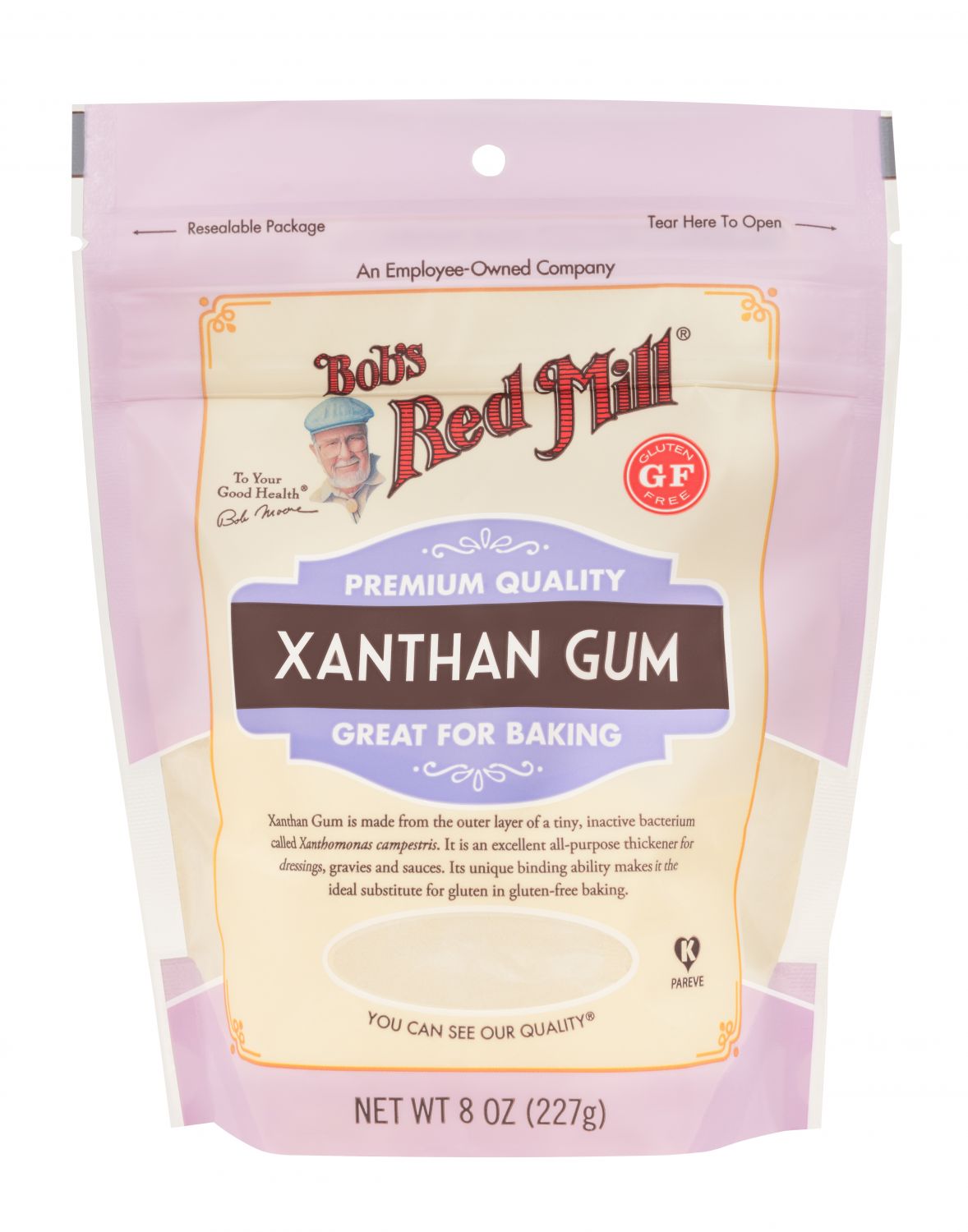
Xanthan gum’s functionality comes from its unique molecular structure. When dispersed in water, its long chains interact to form a network that traps water molecules, increasing viscosity.
Xanthan gum thickens liquids instantly without heat. This makes it ideal for cold applications like salad dressings and beverages.
It prevents separation of ingredients by keeping solids evenly suspended, ensuring uniform texture and appearance.
While not a true emulsifier, xanthan gum helps stabilize emulsions by increasing viscosity and reducing phase separation.
Xanthan gum becomes thinner when stirred or shaken and thickens again at rest. This is why sauces pour easily but stay thick on the plate.
In gluten-free baking, xanthan gum mimics gluten’s elasticity and structure, helping dough hold together.
Salad dressings
Ketchup and mustard
Hot sauces and gravies
It prevents oil-water separation and improves mouthfeel.
Gluten-free bread and cakes
Muffins and cookies
Tortillas and flatbreads
Xanthan gum improves dough elasticity, crumb structure, and moisture retention.
Ice cream
Yogurt
Milk-based desserts
It controls ice crystal formation and enhances creaminess.
Fruit drinks
Smoothies
Protein shakes
Used in very small amounts to improve suspension and texture.
Ready-to-eat meals
Instant soups
Noodles and pasta sauces
Enhances consistency and shelf stability.
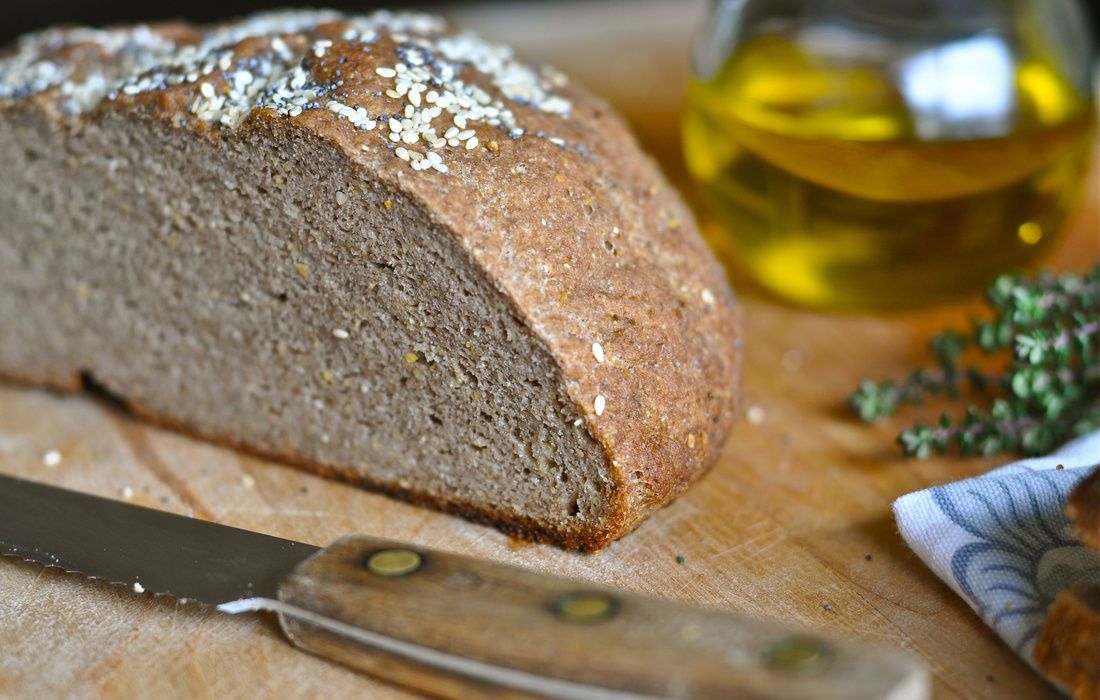
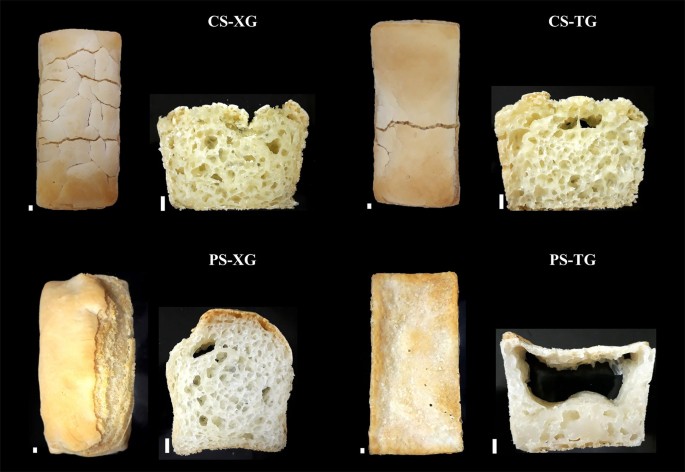

Gluten-free flours lack the elastic protein structure provided by gluten. Xanthan gum compensates by:
Binding ingredients together
Trapping air bubbles during baking
Improving softness and chewiness
Cookies: 0.25–0.5 tsp per cup of flour
Cakes: 0.5 tsp per cup of flour
Bread: 1–1.5 tsp per cup of flour
Xanthan gum is not consumed for nutrition but for functionality.
Calories: Negligible
Fat: 0 g
Protein: 0 g
Carbohydrates: Minimal (mostly soluble fiber)
It is not digested in the small intestine and behaves like soluble fiber in the gut.
As a soluble fiber, xanthan gum can help:
Improve stool consistency
Support beneficial gut bacteria
Promote digestive regularity
By slowing gastric emptying, xanthan gum may reduce spikes in blood glucose levels when consumed with meals.
Some studies suggest soluble fibers like xanthan gum can help lower LDL cholesterol by binding bile acids.
Gluten-free
Vegan
Vegetarian
Halal and Kosher certified (depending on source)
Xanthan gum is considered safe when consumed within recommended limits. However, excessive intake may cause side effects in some individuals.
Bloating
Gas
Mild laxative effect
These effects usually occur only when large amounts are consumed.
Xanthan gum is generally hypoallergenic. However, individuals with severe corn, wheat, or soy allergies should check the source carbohydrate used in production.
Yes. Xanthan gum is approved by major food safety authorities worldwide:
FDA (USA)
EFSA (Europe)
FSSAI (India)
It is classified as a Generally Recognized As Safe (GRAS) ingredient.
Xanthan works in hot and cold systems
More stable across pH and salt levels
Guar provides stronger thickening but less stability
Xanthan offers better shear-thinning behavior
CMC is less effective in acidic systems
Xanthan hydrates faster
Locust bean gum often requires heat


Creams and lotions
Toothpaste
Shampoos and gels
Improves texture and prevents ingredient separation.
Oral suspensions
Syrups
Topical gels
Ensures uniform dosage.
Oil drilling fluids
Paints and coatings
Agricultural sprays
Provides viscosity control and suspension stability.
Always sprinkle slowly into liquid while blending
Use a whisk, blender, or immersion mixer
Avoid dumping directly into liquid (causes clumping)
Store in an airtight container
Keep away from moisture
Shelf life: 2–3 years when stored properly
Myth 1: Xanthan gum is synthetic
Fact: It is produced by natural fermentation.
Myth 2: Xanthan gum is unhealthy
Fact: It is safe, approved, and used in very small quantities.
Myth 3: Xanthan gum is only for gluten-free baking
Fact: It is widely used in sauces, dairy, beverages, and non-food industries.
Xanthan gum production is considered relatively sustainable:
Uses renewable carbohydrate sources
Low usage levels reduce overall material consumption
Fermentation-based process has lower environmental impact than many synthetic additives
Growing demand in gluten-free and clean-label foods
Increased use in plant-based dairy alternatives
Expansion in pharmaceutical and cosmetic formulations
Improved processing techniques for higher purity grades
Is xanthan gum vegan?
Yes, it is plant-based and suitable for vegans.
Can xanthan gum replace corn starch?
Yes, but it is much stronger. Only a fraction of the amount is needed.
Is xanthan gum safe for children?
Yes, when consumed in normal food quantities.
Does xanthan gum affect taste?
No, it is tasteless and odorless.
Xanthan gum is a versatile, reliable, and powerful ingredient that plays a vital role in modern food and industrial applications. Its ability to thicken, stabilize, and improve texture under diverse conditions makes it indispensable in gluten-free baking, sauces, dairy products, beverages, cosmetics, and pharmaceuticals.
When used correctly and in appropriate quantities, xanthan gum is safe, effective, and highly efficient. Whether you are a home cook, food manufacturer, baker, or product formulator, understanding how xanthan gum works allows you to unlock better texture, consistency, and quality in your products.
Share:

Moringa powder is an easy way to add a green ingredient to your everyday meals and drinks. Made from dried moringa leave...
Moringa powder is one of the most nutrient-dense superfoods on the planet, packed with vitamins, minerals, antioxidants,...
Moringa powder has earned its reputation as one of the most nutrient-dense superfoods on the planet. With claims ranging...
Moringa has become increasingly popular among people looking for convenient ways to include nutrient-rich plant foods in...