
Cart (0)
No products in the cart.
Flax seeds have gained massive popularity in recent years due to their impressive nutritional profile and wide range of health benefits. Whether you are aiming for better digestion, weight management, improved heart health, glowing skin, or hormonal balance, flax seeds can be a powerful addition to your daily diet.
But one common question people ask is:
What is the best time to eat flax seeds? Morning or night? Before meals or after meals?
In this detailed guide, we will explore the ideal time to consume flax seeds depending on your health goals, how to eat them properly, and important precautions to maximize their benefits.
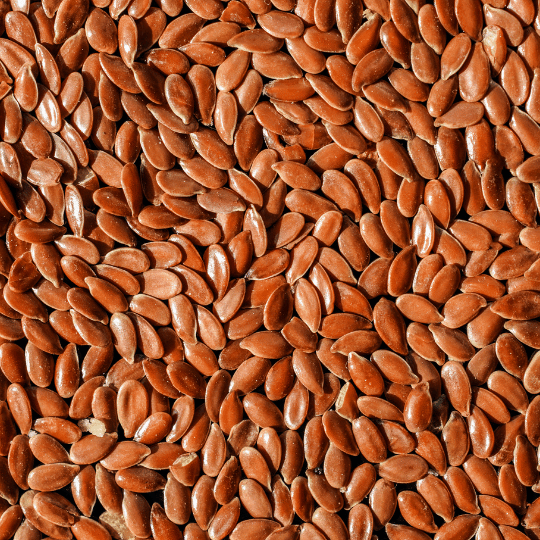

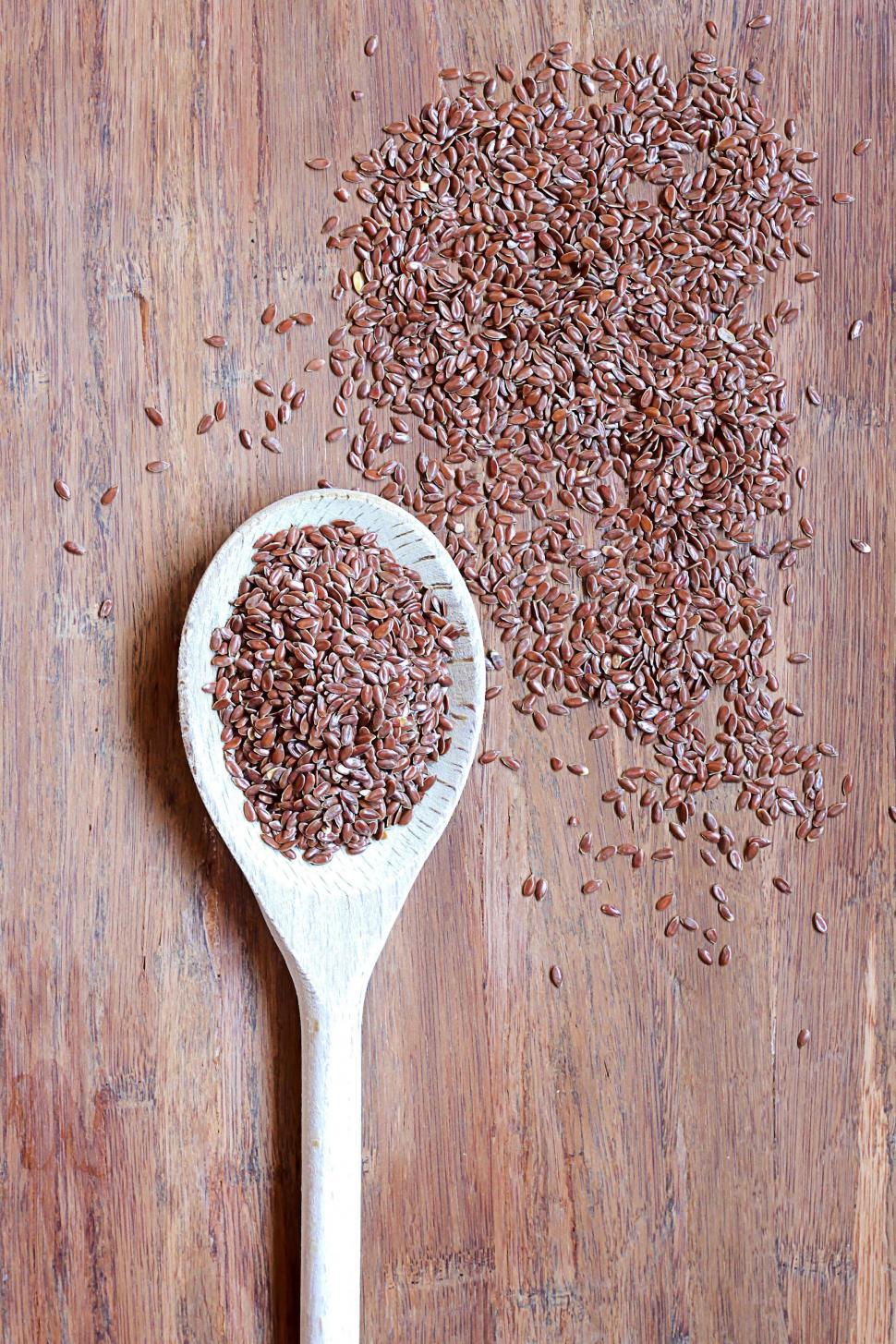
Flax seeds come from the plant Linum usitatissimum and are also known as linseeds. These tiny brown or golden seeds are packed with:
Omega-3 fatty acids (ALA)
Dietary fiber (soluble and insoluble)
Lignans (powerful antioxidants)
Plant-based protein
Essential minerals like magnesium and phosphorus
Because of their dense nutrient content, flax seeds are considered a “functional food” — meaning they offer health benefits beyond basic nutrition.
One tablespoon (around 10 grams) of flax seeds typically contains:
Calories: ~55 kcal
Fiber: 2.8 grams
Protein: 1.8 grams
Omega-3 (ALA): 1.6 grams
Healthy fats: 4.3 grams
The high fiber and healthy fat content make flax seeds especially beneficial for digestion, metabolism, and heart health.
There is no single “perfect” time for everyone. The best time depends on your health objective. Let’s break it down clearly.
Morning on an empty stomach
If your goal is weight management, consuming flax seeds early in the morning is highly effective.
Fiber keeps you full for longer
Reduces mid-morning cravings
Controls appetite throughout the day
Stabilizes blood sugar levels
1 tablespoon ground flax seeds in warm water
Or mix into your morning smoothie
Or add to oatmeal or curd
Taking flax seeds in the morning boosts metabolism and supports fat burning naturally.
Early morning or before bedtime
Flax seeds are rich in soluble and insoluble fiber. They act as a natural digestive regulator.
Stimulates bowel movement
Helps relieve constipation
Improves gut health
Fiber works overnight
Promotes smooth bowel movement in the morning
Soak 1 tablespoon flax seeds in water overnight and drink in the morning.
Any consistent time daily (preferably morning)
Flax seeds are one of the richest plant sources of omega-3 fatty acids (ALA), which help:
Lower bad cholesterol (LDL)
Reduce inflammation
Improve blood vessel function
Consistency matters more than timing for heart health. Morning intake is recommended simply because it helps build a daily habit.
Morning or mid-day
Flax seeds are rich in lignans, which support estrogen balance in women.
They may help with:
PCOS symptoms
Menstrual irregularities
Menopause symptoms
Taking flax seeds during the first half of the day helps your body process fiber and phytoestrogens more efficiently.
Post-workout or with breakfast
Flax seeds contain plant-based protein and healthy fats.
For gym-goers:
Add to protein shakes
Mix with yogurt
Sprinkle on salads
Healthy fats improve nutrient absorption and support recovery.
Yes, but in moderation.
Improves digestion overnight
May reduce late-night hunger
Supports morning bowel movement
Eating too much at night (may cause bloating)
Taking without water
If you have sensitive digestion, morning is better.
This is extremely important.
Whole flax seeds often pass through the digestive system without being fully absorbed.
Ground flax seeds

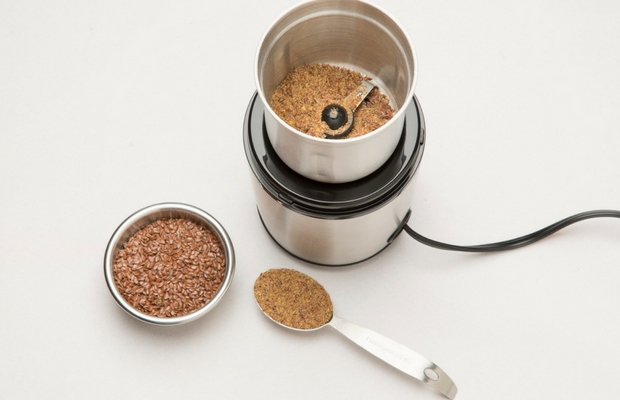

Grinding breaks the hard outer shell and allows your body to absorb:
Omega-3 fatty acids
Lignans
Nutrients
Tip: Grind fresh in small batches to prevent oxidation.
Recommended daily intake:
1–2 tablespoons (10–20 grams)
Do not exceed 3 tablespoons per day unless advised by a healthcare professional.
Too much fiber may cause:
Bloating
Gas
Diarrhea
Here are easy ways to include flax seeds in your diet:
Mix in warm water (morning detox drink)
Add to smoothies
Sprinkle on salads
Mix into chapati dough
Add to oatmeal
Stir into curd or yogurt
Add to baking recipes
Blend into protein shakes
For your FMCG brand (since you deal with health ingredients), you can also market:
Roasted flax seeds
Flax seed powder
Flax seed mix for smoothies
Although generally safe, some people should be cautious:
People with bowel obstruction
Individuals with hormone-sensitive conditions
Those taking blood-thinning medication
Pregnant women (consult doctor first)
Always drink enough water when consuming flax seeds.
Eating whole seeds without chewing
Consuming excessive quantities
Not drinking enough water
Storing ground flax seeds in open air
Expecting instant results
Flax seeds work gradually. Consistency is key.
| Goal | Best Time |
|---|---|
| Weight loss | Morning (empty stomach) |
| Constipation relief | Morning or night |
| Heart health | Any consistent time |
| Hormone balance | Morning |
| Fitness support | Post-workout |
| General health | Morning preferred |
Digestion improvement: 3–7 days
Weight changes: 2–4 weeks
Cholesterol improvement: 6–8 weeks
Hormonal support: 1–3 months
Results vary based on diet, lifestyle, and consistency.
For best absorption:
Use freshly ground flax seeds.
Combine with vitamin C-rich foods.
Drink plenty of water.
Stay consistent daily.
Pair with balanced nutrition.
If you want one simple answer:
Morning on an empty stomach is the best overall time to eat flax seeds.
Why?
Supports digestion
Helps weight management
Boosts metabolism
Builds a healthy daily routine
Improves nutrient absorption
However, the most important factor is consistency, not perfection.
Flax seeds are not a magic solution — they are a powerful addition to a healthy lifestyle.
Flax seeds are one of the most nutrient-dense superfoods available today. Whether you consume them in the morning for weight management, at night for digestion, or post-workout for muscle support, they can significantly improve overall health.
The key points to remember:
Prefer ground flax seeds
1–2 tablespoons daily is sufficient
Drink enough water
Stay consistent
Choose timing based on your goal
By understanding the best time to eat flax seeds according to your needs, you can maximize their benefits and support long-term wellness naturally.
Share:

Moringa powder is an easy way to add a green ingredient to your everyday meals and drinks. Made from dried moringa leave...
Moringa powder is one of the most nutrient-dense superfoods on the planet, packed with vitamins, minerals, antioxidants,...
Moringa powder has earned its reputation as one of the most nutrient-dense superfoods on the planet. With claims ranging...
Moringa has become increasingly popular among people looking for convenient ways to include nutrient-rich plant foods in...