
Cart (0)
No products in the cart.
Cornflour is one of the most commonly used kitchen staples across Indian and global cuisines. From thickening soups and gravies to making crispy coatings and silky desserts, this fine white powder plays a vital role in everyday cooking. But many people wonder: Can cornflour go bad?
The short answer is yes, cornflour can go bad, but it has a long shelf life if stored properly. While it doesn’t spoil as quickly as fresh food, improper storage, moisture exposure, or contamination can reduce its quality and even make it unsafe to use.
In this detailed guide, we’ll explore:
Let’s dive in.
Cornflour (also called cornstarch in many countries) is a fine, powdery starch extracted from the endosperm of corn kernels. It is mainly used as a:
Since it is made almost entirely of starch and contains very low moisture and fat, it has a naturally long shelf life.
Most cornflour packages come with a “Best Before” date, not an expiration date. This means:
Unlike dairy or meat products, cornflour does not spoil rapidly. However, it can degrade in quality over time or become contaminated.
If stored in a cool, dry place:
Once opened:
The key factors affecting shelf life are:
Yes, but not in the same way as perishable food.
Cornflour does not typically rot or become toxic on its own. However, it can:
So while it may not “spoil” like milk, it can definitely become unusable.
Here are the most important signs to watch for:
Fresh cornflour has:
If you notice:
It’s best to discard it.


Mold is a clear sign that cornflour has gone bad.
Check for:
Mold usually develops when cornflour absorbs moisture.
⚠️ Never try to salvage moldy cornflour. Discard it immediately.
Small soft clumps can form due to slight moisture exposure and may still be usable if there is no smell or mold.
However, discard if:
Clumping often indicates moisture damage.
Pantry pests such as:
can infest flour products.
Signs include:
If insects are present, throw the entire package away.
Fresh cornflour is bright white.
Discard if you notice:
Color change may indicate contamination or spoilage.
If your cornflour:
It may have degraded over time.
While not necessarily unsafe, it may not perform well in recipes.
In most cases, using slightly old cornflour will not cause harm if:
However, possible issues include:
If mold is present, consuming it can cause:
When in doubt, throw it out.
Even though cornflour is dry, several factors can cause spoilage.
Moisture is the biggest enemy of cornflour. It can:
Humidity is especially a concern in cities like Kolkata and other coastal regions.
Leaving the package:
can degrade quality quickly.
Heat accelerates:
Store away from:
Using a wet spoon or contaminated scoop introduces moisture and bacteria.
Always use:

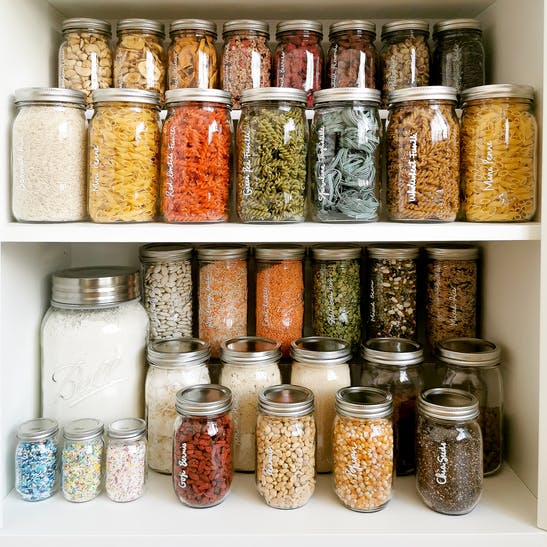

Proper storage can double the shelf life of cornflour.
Transfer opened cornflour into:
This prevents moisture and insects.
Ideal temperature:
Avoid:
Always:
Refrigeration may introduce condensation when taken out.
Only refrigerate if:
Freezing can:
But ensure:
Let it reach room temperature before opening to avoid condensation.
Here’s a quick home test:
In most cases, expired cornflour is not highly dangerous, but:
Food safety rule:
👉 If you’re unsure, don’t consume it.
Here are practical tips:
✔ Buy smaller packs if you don’t use it often
✔ Label containers with purchase date
✔ Store in airtight containers
✔ Keep away from moisture
✔ Check periodically for signs of spoilage
✔ Use dry utensils only
If unopened and stored properly, it may still be usable, but quality might decline. Always inspect before use.
Not usually. Store in a cool, dry pantry unless humidity is extremely high.
Yes, if:
It may have:
Discard it.
So, can cornflour go bad?
Yes — but it usually takes improper storage, moisture exposure, or contamination for that to happen.
Cornflour has a long shelf life due to its low moisture and fat content. However, it is not immune to spoilage. Watching for simple signs like smell, texture, color, mold, and insects can help you determine whether it is safe to use.
By storing it properly in an airtight container in a cool, dry place, you can ensure that your cornflour stays fresh and ready to thicken your favorite soups, gravies, desserts, and sauces for years.
When in doubt, remember:
Food safety always comes first.
Share:

Moringa powder is an easy way to add a green ingredient to your everyday meals and drinks. Made from dried moringa leave...
Moringa powder is one of the most nutrient-dense superfoods on the planet, packed with vitamins, minerals, antioxidants,...
Moringa powder has earned its reputation as one of the most nutrient-dense superfoods on the planet. With claims ranging...
Moringa has become increasingly popular among people looking for convenient ways to include nutrient-rich plant foods in...