
Cart (0)
No products in the cart.
Coffee is one of the most beloved beverages in the world, enjoyed by millions every day. While the origin of the coffee beans and the brewing method play an important role in flavor, one of the most influential factors in determining how your coffee tastes is the roast level. Roasting transforms green coffee beans into the aromatic, flavorful beans that we grind and brew. During this process, heat triggers complex chemical reactions that create the color, aroma, and taste we associate with coffee.
Among the various roast levels available, three main categories dominate the coffee world: light roast, medium roast, and dark roast. Each roast level offers a unique flavor profile, acidity level, body, and aroma. Understanding the differences between these roast levels can help coffee lovers choose the perfect cup based on their preferences.
In this comprehensive guide, we will explore what coffee roasting is, how roasting affects flavor, and the key differences between light, medium, and dark roasts. We will also discuss brewing tips and how to choose the best roast for your taste.
Coffee roasting is the process of heating green coffee beans to high temperatures, typically between 180°C and 240°C (356°F to 464°F). This process transforms raw beans into the brown, aromatic coffee beans we recognize.
During roasting, several chemical reactions occur, including:
As the roasting process continues, beans change color from green to yellow, then light brown, and eventually dark brown or nearly black. The length of roasting determines the roast level.
Before diving into roast levels, it is helpful to understand the stages of roasting.
Green coffee beans contain about 10–12% moisture. During the early roasting stage, this moisture evaporates, and the beans begin to turn yellow.
The beans start turning light brown as sugars react with amino acids. This stage produces the first noticeable coffee aroma.
At around 196°C (385°F), the beans expand and crack, similar to popcorn popping. This stage marks the beginning of light roast coffee.
After the first crack, the roaster decides whether to stop or continue roasting to achieve medium or dark roasts.
At higher temperatures, the beans crack again, releasing oils and becoming darker. This stage produces dark roast coffee.
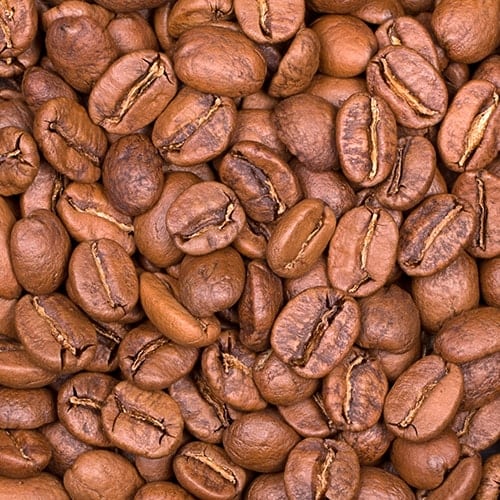


Light roast coffee is roasted for the shortest amount of time. The roasting process stops shortly after the first crack, which means the beans retain much of their original characteristics.
Light roast coffee allows the natural flavors of the coffee bean to shine through. This makes it particularly popular among specialty coffee enthusiasts who want to taste the unique characteristics of beans from different regions.
Light roast coffee often features:
For example, coffee beans from Ethiopia roasted lightly may produce flavors similar to blueberries, jasmine, or lemon.
A common myth is that light roast coffee contains less caffeine. In reality, light roasts often have slightly more caffeine by volume because the beans are denser than darker roasts.
Light roast coffee works best with brewing methods that highlight delicate flavors, such as:
These methods allow the complex flavor notes to develop fully.
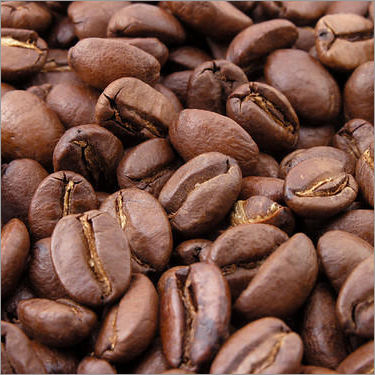
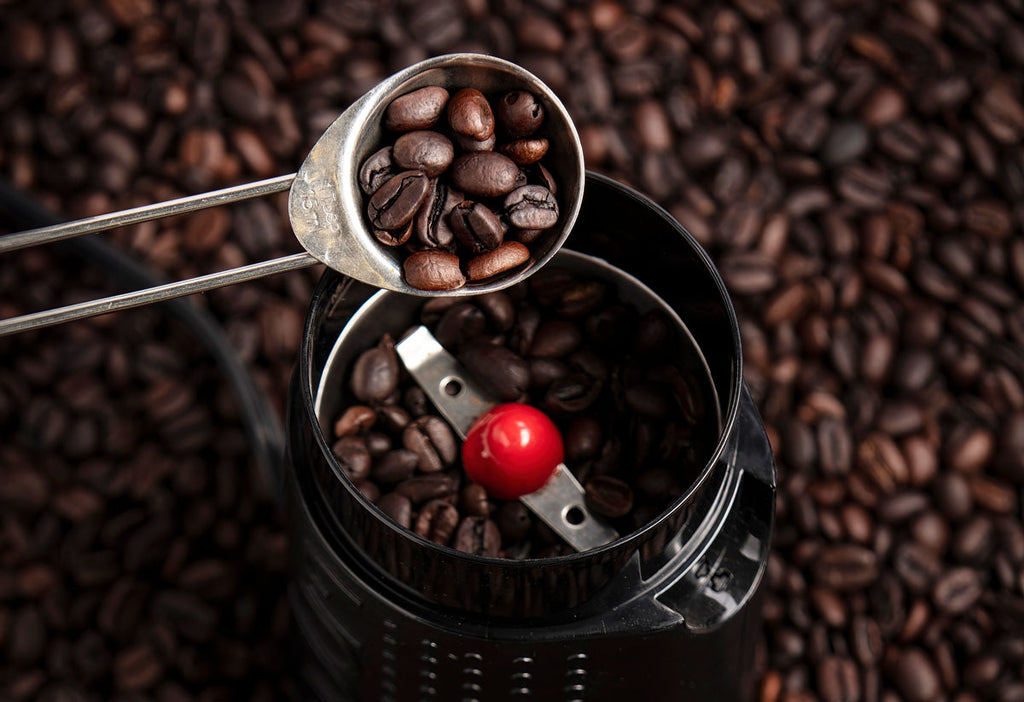

Medium roast coffee is roasted longer than light roast but not long enough to reach the second crack. It represents a balanced middle ground between acidity and body.
Medium roast is one of the most popular roast levels worldwide because it offers a pleasant balance of flavors without being too acidic or too bitter.
Common flavors include:
Compared to light roast, medium roast coffee has less acidity and a fuller body, making it smoother and easier to drink for many people.
Some well-known medium roast styles include:
These roasts are often used in everyday coffee blends.
Medium roast coffee is extremely versatile and works well with many brewing methods:
Because of its balance, it is often recommended for people who are new to specialty coffee.


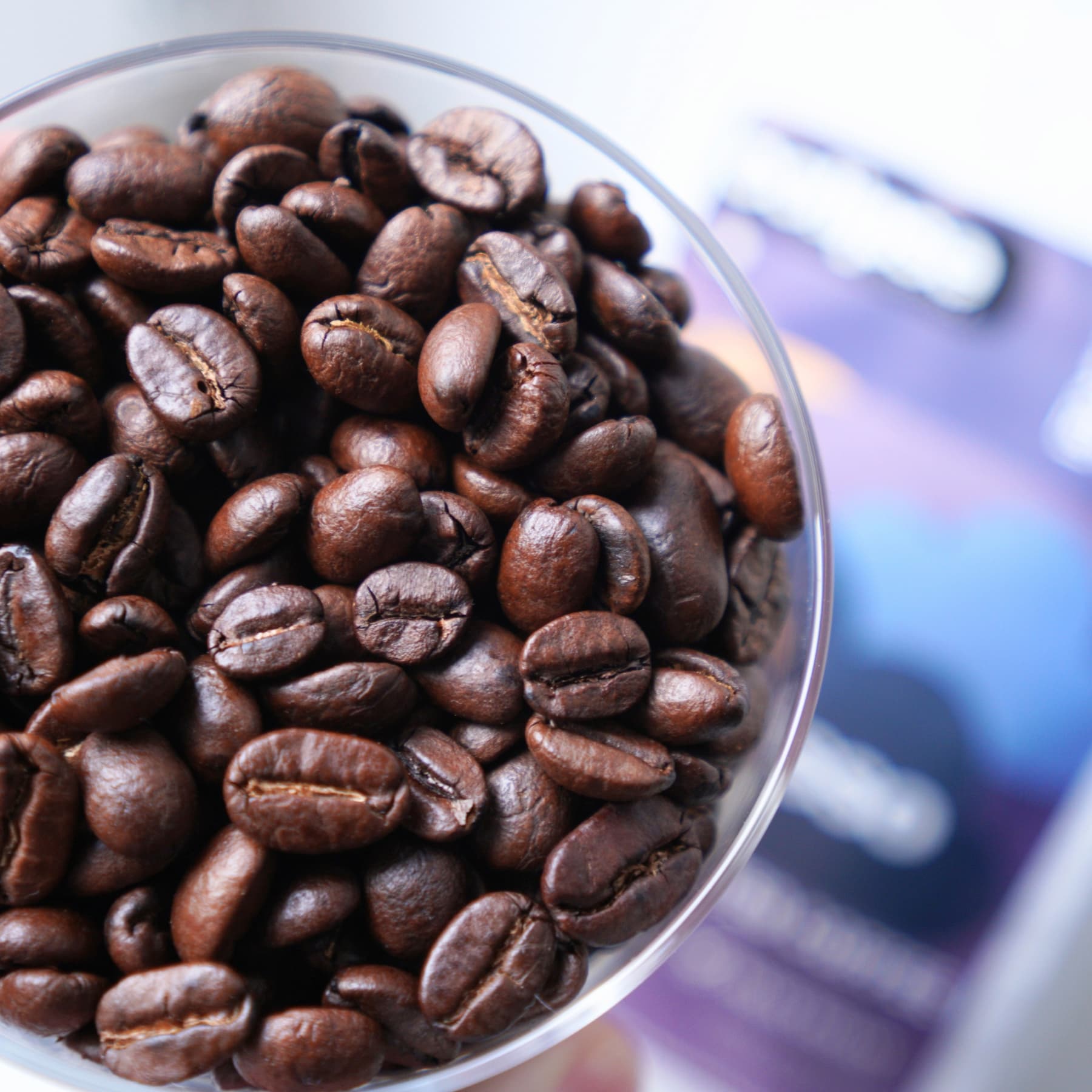
Dark roast coffee is roasted for the longest duration, often beyond the second crack. The beans become dark brown or nearly black and develop a shiny surface due to released oils.
Dark roasting reduces the influence of the bean’s origin and emphasizes roasted flavors instead.
Dark roast coffee often includes:
These strong flavors are why dark roasts are commonly used in espresso blends.
Some well-known dark roast names include:
These roasts are especially popular in European-style coffee traditions.
Dark roast coffee works well with methods that highlight its strong body:
These brewing styles enhance the bold flavors and heavy texture of dark roasted beans.
| Feature | Light Roast | Medium Roast | Dark Roast |
|---|---|---|---|
| Color | Light brown | Medium brown | Dark brown to black |
| Surface | Dry | Mostly dry | Oily |
| Flavor | Fruity, bright | Balanced | Bold, smoky |
| Acidity | High | Medium | Low |
| Body | Light | Medium | Full |
| Bean Origin Flavor | Strong | Moderate | Minimal |
Each roast level appeals to different coffee drinkers depending on their taste preferences.
Roasting dramatically changes how coffee tastes. Here are some key ways it affects flavor:
Light roasts have higher acidity, producing bright and lively flavors. Dark roasts lose acidity during extended roasting.
Medium roasts often have the most noticeable sweetness due to caramelized sugars.
Dark roasts tend to be more bitter because roasting breaks down certain compounds and produces smoky flavors.
Roast level also affects aroma intensity. Dark roasts have strong roasted aromas, while light roasts have delicate floral scents.
Many people wonder if certain roast levels are healthier than others.
Research suggests:
Ultimately, the healthiest coffee is the one consumed in moderation without excessive sugar or cream.
Selecting the best roast depends on personal preference.
When purchasing coffee beans, consider these tips:
1. Check the Roast Date
Freshly roasted coffee tastes best within 2–4 weeks of roasting.
2. Buy Whole Beans
Whole beans stay fresh longer than pre-ground coffee.
3. Store Properly
Keep coffee in an airtight container away from light, heat, and moisture.
4. Experiment with Roasts
Trying different roast levels helps you discover your personal preference.
Coffee roasting is both an art and a science that transforms raw green beans into the flavorful beverage enjoyed worldwide. The roast level—light, medium, or dark—plays a crucial role in determining the taste, aroma, body, and acidity of your coffee.
Light roast coffee highlights the natural flavors of the beans with bright acidity and fruity notes. Medium roast coffee offers a balanced combination of sweetness, body, and smoothness. Dark roast coffee delivers bold, smoky flavors with a rich and full body.
There is no single “best” roast level. The ideal choice depends on your taste preferences, brewing method, and desired flavor experience. By understanding the differences between roast levels, coffee lovers can better appreciate the complexity of coffee and enjoy every cup to the fullest.
Whether you prefer the bright character of a light roast, the smooth balance of a medium roast, or the bold intensity of a dark roast, exploring different roast levels is one of the most enjoyable ways to deepen your appreciation for coffee.
Share:

Moringa powder has become increasingly popular among people looking for simple ways to add a green, plant-based ingredie...
Moringa powder has earned its reputation as one of the most nutrient-dense superfoods on the planet. With claims ranging...
Agar agar has quietly become one of the most talked-about ingredients in kitchens that are moving away from gelatin. Veg...
Agar agar — the odourless, flavourless, plant-based gelling agent extracted from red algae — has quietly become one of t...