
Cart (0)
No products in the cart.
Coffee is one of the most beloved beverages in the world. For millions of people, the day doesn’t truly begin until the first sip of freshly brewed coffee. While visiting a café is enjoyable, learning how to brew coffee at home can save money, give you more control over flavor, and turn coffee-making into a satisfying daily ritual.
If you’re new to coffee brewing, the process may seem complicated at first. You might hear terms like grind size, extraction, brewing ratio, or methods like pour-over and French press. The good news is that brewing great coffee at home is much easier than it seems once you understand the basics.
This beginner guide will walk you through everything you need to know—from choosing beans to mastering different brewing methods—so you can make delicious coffee at home every day.
Brewing coffee at home offers several advantages compared to buying coffee from cafés.
1. Cost Savings
Daily coffee shop visits can add up quickly. Brewing coffee at home costs significantly less, especially if you drink coffee regularly.
2. Better Control Over Taste
When you make coffee yourself, you control the strength, flavor, milk level, sweetness, and brewing method.
3. Freshness
Freshly brewed coffee made with freshly ground beans often tastes better than pre-made coffee.
4. Customization
You can experiment with beans, brewing styles, temperatures, and ratios to create your perfect cup.
5. Convenience
Once you get used to brewing coffee, it becomes quick and effortless.
Before learning brewing methods, it helps to understand a few basic coffee concepts.
Coffee starts with roasted coffee beans. The two most common types are:
Arabica
Robusta
For beginners, Arabica beans are usually a good starting point.
Roast level significantly affects coffee flavor.
Light Roast
Medium Roast
Dark Roast
If you are new to coffee brewing, medium roast beans are often the easiest to enjoy.
You can buy coffee in two forms:
Whole Beans
Pre-Ground Coffee
For the best results, buy whole beans and grind them before brewing.
You don’t need expensive equipment to brew great coffee. Here are some useful tools for beginners.
A coffee grinder allows you to grind beans fresh before brewing.
There are two main types:
Blade Grinder
Burr Grinder
A scale helps measure the correct coffee-to-water ratio. While optional, it helps achieve consistent results.
A kettle is used to heat water for brewing.
Electric kettles with temperature control are ideal, but a regular kettle works fine too.
You will also need a brewing device, such as:
Each method produces a slightly different flavor profile.
Getting the right coffee-to-water ratio is important for balanced flavor.
A common beginner ratio is:
1:15 to 1:18
This means:
Example:
This ratio creates a balanced cup that is neither too weak nor too strong.
Different brewing methods require different grind sizes.
Coarse Grind
Medium Grind
Fine Grind
Using the correct grind size ensures proper extraction and better taste.
Coffee is about 98% water, so water quality matters.
For the best flavor:
Ideal water temperature is:
90–96°C (195–205°F)
Water that is too hot can make coffee bitter.
Let’s explore some beginner-friendly brewing methods.

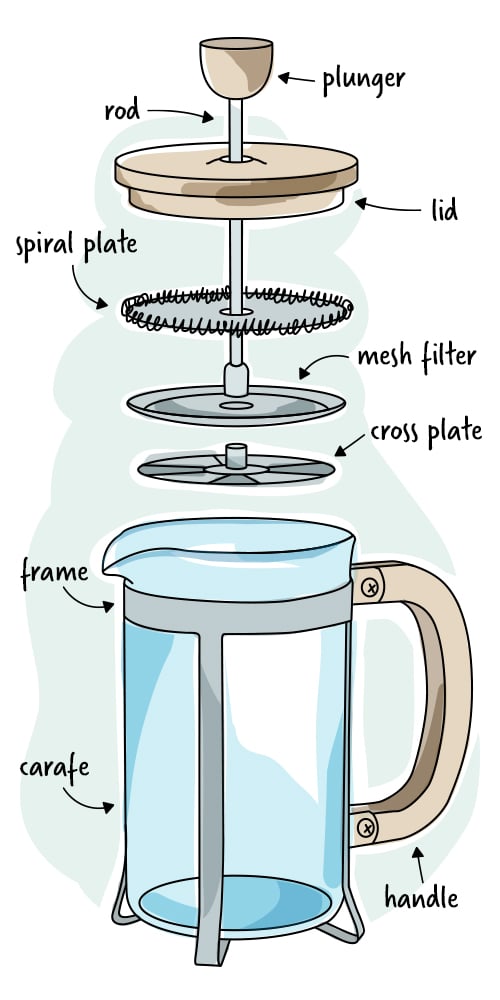

The French press is one of the easiest ways to brew coffee at home.
French press coffee is:
Because it uses no paper filter, more natural oils remain in the coffee.


Pour-over brewing is popular for its clean and flavorful results.
Pour-over coffee is:
This method highlights subtle flavors in the beans.


Drip coffee makers are very common in homes and offices.
Drip coffee is:
It is perfect for making multiple cups at once.


The Moka pot creates strong coffee similar to espresso.
Moka pot coffee is:
Great for making lattes or cappuccinos at home.
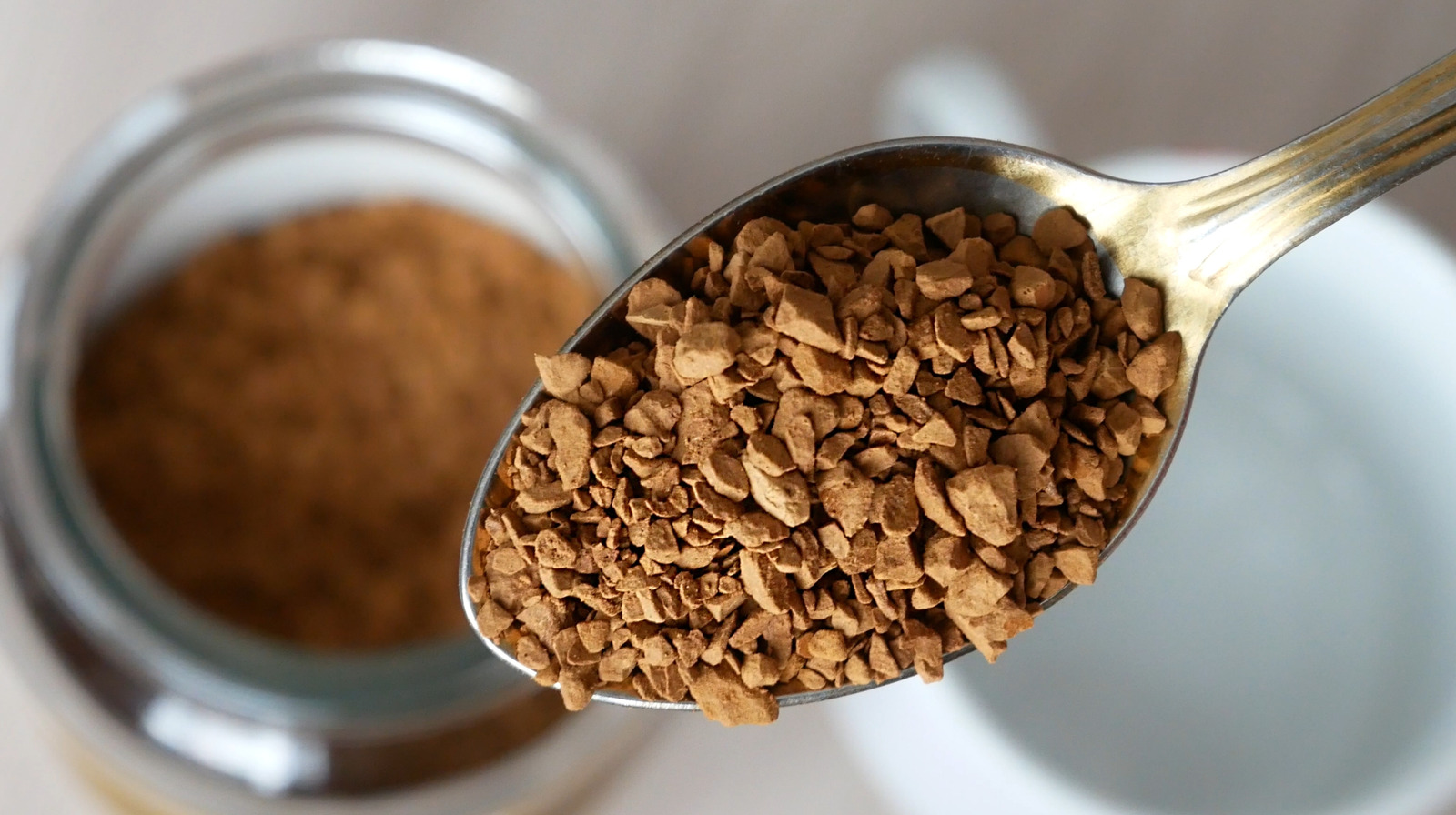
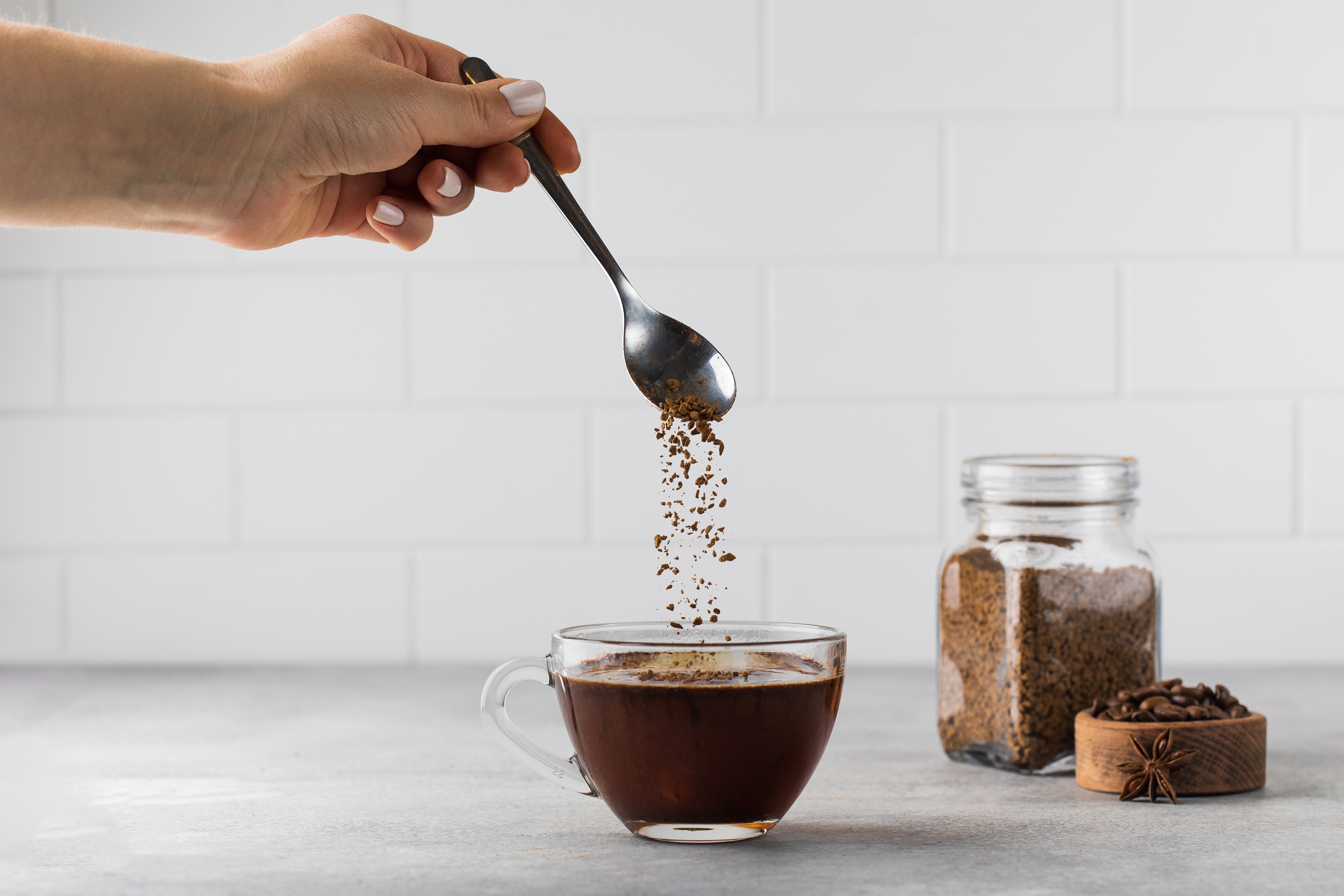
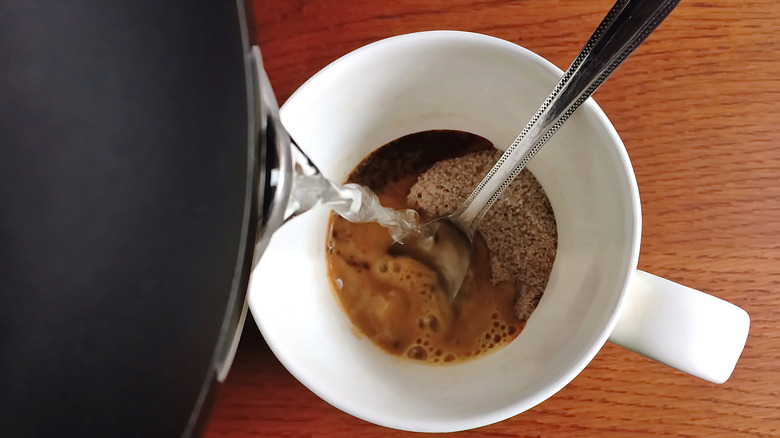
Instant coffee is the quickest way to make coffee.
Instant coffee is:
It is perfect when you want coffee in seconds.
Many beginners make small mistakes that affect coffee taste.
Coffee loses flavor over time. Use fresh beans when possible.
Incorrect grind size can make coffee taste bitter or weak.
Boiling water burns coffee. Let water cool slightly before brewing.
Too much coffee makes it bitter; too little makes it weak.
Here are some simple tips to improve your coffee instantly.
Use Fresh Beans
Coffee tastes best within 2–4 weeks after roasting.
Grind Just Before Brewing
Fresh grinding preserves aroma.
Experiment with Ratios
Adjust coffee strength to your taste.
Clean Your Equipment
Residue oils can make coffee taste stale.
Try Different Beans
Coffee from different regions has unique flavors.
Many people enjoy adding milk or sugar to coffee.
Popular choices include:
Experiment to find your preferred combination.
Once you learn basic brewing, you can try different coffee drinks.
Latte
Espresso with steamed milk.
Cappuccino
Equal parts espresso, steamed milk, and foam.
Americano
Espresso diluted with hot water.
Iced Coffee
Brewed coffee served over ice.
Cold Brew
Coffee steeped in cold water for 12–24 hours.
Brewing coffee at home is a simple and rewarding skill that anyone can learn. With just a few tools and a little practice, you can create coffee that tastes just as good—or even better—than what you find in cafés.
Start by choosing good-quality beans, using fresh water, and following a simple brewing method like the French press or pour-over. Over time, you’ll develop your own preferences for grind size, brewing ratio, and coffee strength.
Coffee brewing is both a science and an art. The more you experiment, the more enjoyable the process becomes. Whether you prefer a strong morning cup, a smooth afternoon brew, or a relaxing evening coffee, mastering home brewing allows you to enjoy coffee exactly the way you like it.
So grab your favorite beans, heat some water, and start brewing your perfect cup today.
Share:

Moringa powder is an easy way to add a green ingredient to your everyday meals and drinks. Made from dried moringa leave...
There is something almost magical about a perfect chocolate mousse. It slides onto your spoon like silk, dissolves on yo...
There's a particular kind of magic in cutting into a cheesecake and watching it hold its shape — smooth, dense, and glos...
There is something quietly magical about watching a pool of fruit juice transform into a jiggly, translucent jelly right...