
Cart (0)
No products in the cart.
Rosemary is one of the most distinctive herbs in the culinary world. With its needle-like leaves, intense aroma, and bold taste, rosemary has been used for centuries in cooking, herbal medicine, and food preservation. Whether sprinkled over roasted potatoes, infused into olive oil, or used to flavor meats and breads, rosemary brings a unique flavor that can instantly transform a dish.
But if you have never cooked with it before, you may wonder: What does rosemary actually taste like? Is it strong or mild? Bitter or sweet? Does it taste like other herbs?
In this detailed guide, we will explore the complete flavor profile of rosemary, including its taste characteristics, aroma, culinary uses, how it compares with other herbs, and how to use it correctly in cooking.
Rosemary is a fragrant evergreen herb scientifically known as Salvia rosmarinus (formerly Rosmarinus officinalis). It belongs to the mint family (Lamiaceae), which also includes herbs like basil, thyme, oregano, and sage.
Native to the Mediterranean region, rosemary grows as a woody shrub with narrow, needle-like leaves that resemble pine needles. The leaves contain aromatic oils responsible for rosemary’s powerful fragrance and flavor.
Because of its intense aroma and distinctive taste, rosemary is commonly used in:
But the defining characteristic of rosemary is its bold and complex flavor profile.
Rosemary has a strong, earthy, and slightly bitter taste with pine-like and woody notes. The flavor is highly aromatic and can easily dominate a dish if used excessively.
Overall, rosemary can be described as:
Bold, piney, earthy, slightly bitter, and intensely aromatic.


Taste and smell are closely linked, and rosemary is famous for its powerful fragrance.
When you crush fresh rosemary leaves between your fingers, they release strong aromatic oils that smell:
These aromatic oils contain compounds such as:
These compounds give rosemary its distinctive aroma and also contribute to its flavor in cooking.
Because of these oils, rosemary’s taste becomes more pronounced when cooked in oil or heat.
Both fresh and dried rosemary are used in cooking, but their flavors differ slightly.
Fresh rosemary leaves provide a bright, complex flavor.
Characteristics:
Fresh rosemary works well in:
Dried rosemary has a more concentrated and sharper flavor.
Characteristics:
Dried rosemary is often used in:
Because dried rosemary is stronger, cooks usually use less dried rosemary than fresh.
A common rule is:
1 teaspoon dried rosemary = 1 tablespoon fresh rosemary
Rosemary’s strong flavor comes from its high concentration of essential oils.
The leaves contain about 1–2% volatile oils, which is relatively high compared to many other herbs.
These oils contain powerful flavor compounds including:
Because of these compounds, rosemary flavor can become overpowering if too much is used.
This is why recipes typically recommend small amounts.
Cooking significantly affects rosemary’s flavor.
When rosemary is cooked slowly in oil, butter, or roasting dishes, its flavors become richer and more rounded.
This is why rosemary is commonly used in roasted and slow-cooked recipes.
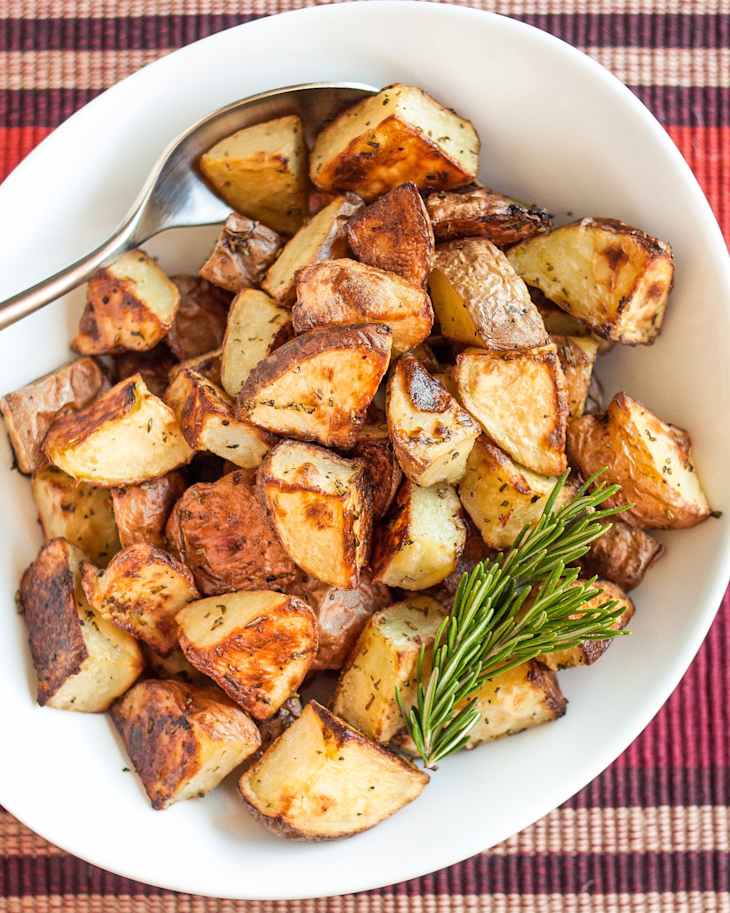


Rosemary pairs best with foods that can handle its bold flavor.
Rosemary complements rich meats such as:
It cuts through fatty flavors and adds aromatic depth.
Some vegetables taste excellent with rosemary:
Roasted potatoes with rosemary are particularly popular.
Rosemary is commonly used in:
It adds fragrance and savory depth.
Rosemary also flavors:
Infused rosemary oil is widely used in Mediterranean cuisine.
If you run out of rosemary, several herbs can provide a somewhat similar flavor.
Thyme has earthy and woody notes similar to rosemary but is milder.
Sage shares rosemary’s boldness and bitterness.
Oregano has a strong herbal flavor but lacks the pine notes.
Marjoram is milder and slightly sweeter.
However, none replicate rosemary’s distinct pine-like taste perfectly.
Because rosemary is so strong, it must be used carefully.
A little rosemary goes a long way.
Start with ½ teaspoon dried rosemary or 1 teaspoon fresh.
Rosemary leaves are tough, so chopping them releases flavor and improves texture.
When cooking soups or sauces, add a whole sprig and remove it before serving.
Slow cooking helps mellow the herb’s bitterness.
Rosemary works best when cooked in oil or butter, which carries its flavor evenly.
Yes, rosemary has a mild natural bitterness.
This bitterness comes from compounds such as:
However, the bitterness is balanced by rosemary’s earthy and aromatic qualities.
Too much rosemary can make a dish taste overly bitter, which is why moderation is important.
Yes, rosemary often tastes similar to pine needles.
This is not accidental. The herb contains alpha-pinene, a compound also found in pine trees.
This compound gives rosemary its:
Many people describe rosemary’s flavor as “like pine but edible.”
Yes, rosemary is considered one of the strongest culinary herbs.
Compared to other herbs:
| Herb | Flavor Strength |
|---|---|
| Basil | Mild |
| Parsley | Mild |
| Thyme | Medium |
| Oregano | Medium-strong |
| Sage | Strong |
| Rosemary | Very strong |
Because of its potency, rosemary is typically used in small quantities.
Many famous dishes rely on rosemary’s distinctive taste.
Examples include:
These dishes showcase the herb’s aromatic and savory qualities.
Yes, rosemary can also flavor beverages.
It is used in:
In drinks, rosemary adds a refreshing herbal and slightly citrusy taste.
Rosemary’s taste is closely linked to its natural compounds.
Some of the main compounds include:
These compounds also give rosemary its health-promoting properties, including antioxidant and anti-inflammatory effects.
Rosemary is one of the most distinctive herbs used in cooking. Its bold pine-like flavor, earthy depth, and powerful aroma make it a favorite in Mediterranean and global cuisines.
In simple terms, rosemary tastes:
Because of its strength, a small amount can dramatically transform a dish. When used properly, rosemary adds a rich, fragrant character that pairs beautifully with roasted meats, vegetables, bread, and infused oils.
Whether fresh or dried, rosemary remains a versatile and unforgettable herb that continues to enhance dishes around the world.
Share:

Moringa powder has become increasingly popular among people looking for simple ways to add a green, plant-based ingredie...
Moringa powder has earned its reputation as one of the most nutrient-dense superfoods on the planet. With claims ranging...
Agar agar has quietly become one of the most talked-about ingredients in kitchens that are moving away from gelatin. Veg...
Agar agar — the odourless, flavourless, plant-based gelling agent extracted from red algae — has quietly become one of t...