
Cart (0)
No products in the cart.
Icing sugar, also known as powdered sugar or confectioners’ sugar, is one of the most essential ingredients in baking and dessert preparation. Its soft, powdery texture and instant dissolving ability make it ideal for frostings, glazes, icings, fillings, and decorative dusting. From fluffy buttercream to smooth royal icing, icing sugar plays a critical role in achieving perfect sweetness and texture.
Whether you are a home baker, professional pastry chef, or food entrepreneur, understanding icing sugar in detail helps you improve product quality, consistency, and shelf life.
This complete guide covers:
Let’s explore everything you need to know.
Icing sugar is finely ground white sugar blended into a smooth powder. It usually contains a small percentage (about 2–5%) of anti-caking agents such as cornstarch to prevent clumping.
It is made from regular granulated sugar (sucrose) that has been milled into a very fine consistency. The fine texture allows it to:
In different countries, icing sugar is known by different names:
Granulated sugar is processed in high-speed mills that grind crystals into fine powder.
The powder is passed through ultra-fine mesh sieves to ensure smooth texture.
Small amounts of cornstarch are added to prevent moisture absorption and clumping.
The sugar is packed in moisture-resistant packaging to maintain flowability.
Industrial-grade icing sugar uses specialized pulverizers to achieve extremely fine consistency, especially for commercial baking applications.
Different grades of icing sugar are available depending on fineness and intended use.
Best for: Cream-based desserts and ganache.
Best for: Cakes, cookies, glazes.
Since icing sugar is made from refined sugar, its nutritional profile is similar to regular sugar.
Per 100 grams (approximate values):
It is purely a carbohydrate source and provides quick energy.
While icing sugar does not offer major nutritional benefits, it provides significant functional advantages in baking.
It blends seamlessly into butter and cream, creating silky frostings.
No grainy texture like granulated sugar.
Ideal for dusting cakes, brownies, and pastries.
Provides body and stability to buttercream.
Spreads evenly, preventing sugar pockets.
Basic Buttercream Formula:
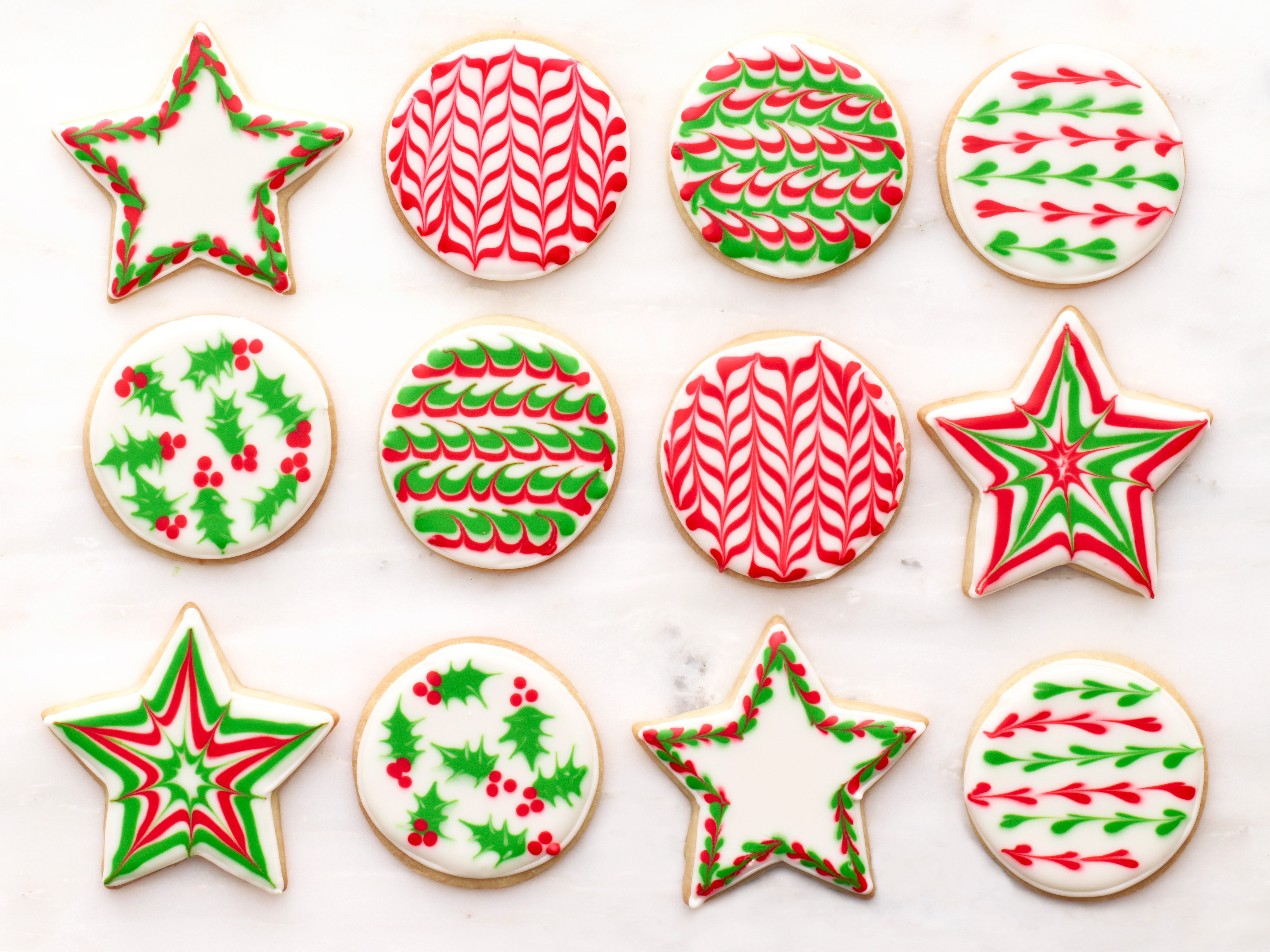
Made using:
Used for cookie decoration and intricate designs.
Perfect for donuts, cinnamon rolls, and tea cakes.
Helps stabilize whipped cream due to cornstarch content.
| Feature | Icing Sugar | Granulated Sugar |
|---|---|---|
| Texture | Fine powder | Coarse crystals |
| Dissolving Speed | Instant | Slow |
| Use | Frostings, glazes | Baking, cooking |
| Contains Starch | Usually yes | No |
You can make icing sugar easily:
Ingredients:
Method:
Tip: Ensure sugar is fully powdered to avoid grainy frosting.
Homemade powdered sugar.
Healthier alternative, slightly brown.
Low-calorie option.
Natural sweetener substitute.
Used in sugar-free baking.
Leads to lumps in frosting.
Creates runny icing.
Can cause grainy texture.
Always measure by weight for accuracy.
Prevents lumps.
Ensures smooth blending.
Mix icing sugar in batches.
Moisture causes clumping.
Keep in airtight container.
If clumps form, sift before use.
Food manufacturers use ultra-fine grades for smooth industrial processing.
Icing sugar is a refined sugar and should be consumed in moderation. Excess consumption may lead to:
For health-conscious baking, consider portion control or alternative sweeteners.
1. Can I replace granulated sugar with icing sugar in cake batter?
Not recommended, as it affects texture and structure.
2. Why does icing sugar contain cornstarch?
To prevent clumping and improve flow.
3. Is icing sugar vegan?
Yes, if no animal bone char is used in sugar processing.
4. Does icing sugar expire?
It has long shelf life but should be kept moisture-free.
Icing sugar is a versatile and essential ingredient in baking and confectionery. Its fine texture, instant dissolving ability, and smooth finish make it ideal for frostings, glazes, and decorative uses.
Understanding the different types, substitutes, and baking techniques ensures better results whether you are baking at home or producing commercially.
By choosing high-quality icing sugar and following proper storage and mixing techniques, you can achieve professional-level desserts with consistent texture and taste.
Share:

Moringa powder is an easy way to add a green ingredient to your everyday meals and drinks. Made from dried moringa leave...
Moringa powder is one of the most nutrient-dense superfoods on the planet, packed with vitamins, minerals, antioxidants,...
Moringa powder has earned its reputation as one of the most nutrient-dense superfoods on the planet. With claims ranging...
Moringa has become increasingly popular among people looking for convenient ways to include nutrient-rich plant foods in...