
Cart (0)
No products in the cart.
West Bengal is one of India's leading rice-producing states, known for its rich agricultural heritage and diverse rice varieties. Among the many traditional rice cultivars grown in the state, Tulaipanji holds a special place due to its unique aroma, delicate texture, and cultural significance. Often referred to as the "Basmati of Bengal," Tulaipanji rice has gained recognition for its superior quality and distinctive characteristics that set it apart from other rice varieties.
Primarily cultivated in the northern districts of West Bengal, particularly in Uttar Dinajpur, Tulaipanji rice is deeply connected to the region's agricultural traditions and rural economy. Farmers have preserved this indigenous variety for generations, maintaining its purity and reputation despite the increasing dominance of high-yield hybrid rice varieties.
In recent years, growing consumer demand for traditional and specialty rice varieties has renewed interest in Tulaipanji farming. The rice has received Geographical Indication (GI) status, which has further enhanced its market value and recognition across India and internationally.
This article explores the history, cultivation practices, benefits, challenges, economic importance, and future prospects of Tulaipanji farming in West Bengal.
Tulaipanji is an indigenous aromatic rice variety that originated in the northern plains of West Bengal. Historical records and local traditions suggest that this rice has been cultivated for several centuries in the fertile alluvial soils of the Dinajpur region.
The name "Tulaipanji" is believed to be derived from local dialects, reflecting the soft and fluffy nature of the cooked rice. Unlike many commercial rice varieties developed through modern breeding programs, Tulaipanji evolved naturally and adapted to the agro-climatic conditions of North Bengal over generations.
For decades, local farmers maintained the variety through traditional seed-saving practices. The rice became popular in regional markets due to its fragrance, taste, and suitability for special occasions and festivals.
Recognizing its uniqueness and geographical association, Tulaipanji rice was granted Geographical Indication (GI) status in 2017, protecting its identity and promoting its cultivation.
Tulaipanji is predominantly cultivated in:
The major cultivation blocks include:
These regions possess ideal environmental conditions for Tulaipanji cultivation, including:
The unique combination of soil and climate contributes significantly to the aroma and grain quality of Tulaipanji rice.
Tulaipanji is highly valued because of its distinctive qualities.
One of the most remarkable features of Tulaipanji is its natural fragrance. The aroma becomes particularly noticeable after cooking and resembles premium aromatic rice varieties.
The rice is known for:
Tulaipanji contains:
Its nutritional profile makes it suitable for daily consumption while offering superior sensory qualities.
Tulaipanji is primarily cultivated during the Kharif season.
Ideal temperature range:
The crop requires:
Moderate to high humidity supports proper growth and aroma development.
Adequate sunlight during grain maturation improves grain quality and yield.
Tulaipanji performs best in fertile alluvial soils.
Farmers often apply organic manure to enhance soil fertility and improve grain quality.
Proper land preparation is essential for successful cultivation.
Farmers plough the land 2–3 times to:
Fields are puddled before transplanting to:
Uniform leveling ensures:
Quality seed is critical for maintaining purity and productivity.
Farmers generally use:
Careful selection helps maintain the distinctive characteristics of Tulaipanji.
Seeds may be treated with:
This reduces disease incidence during early growth stages.
A separate nursery bed is prepared where seedlings are raised for 25–30 days before transplanting.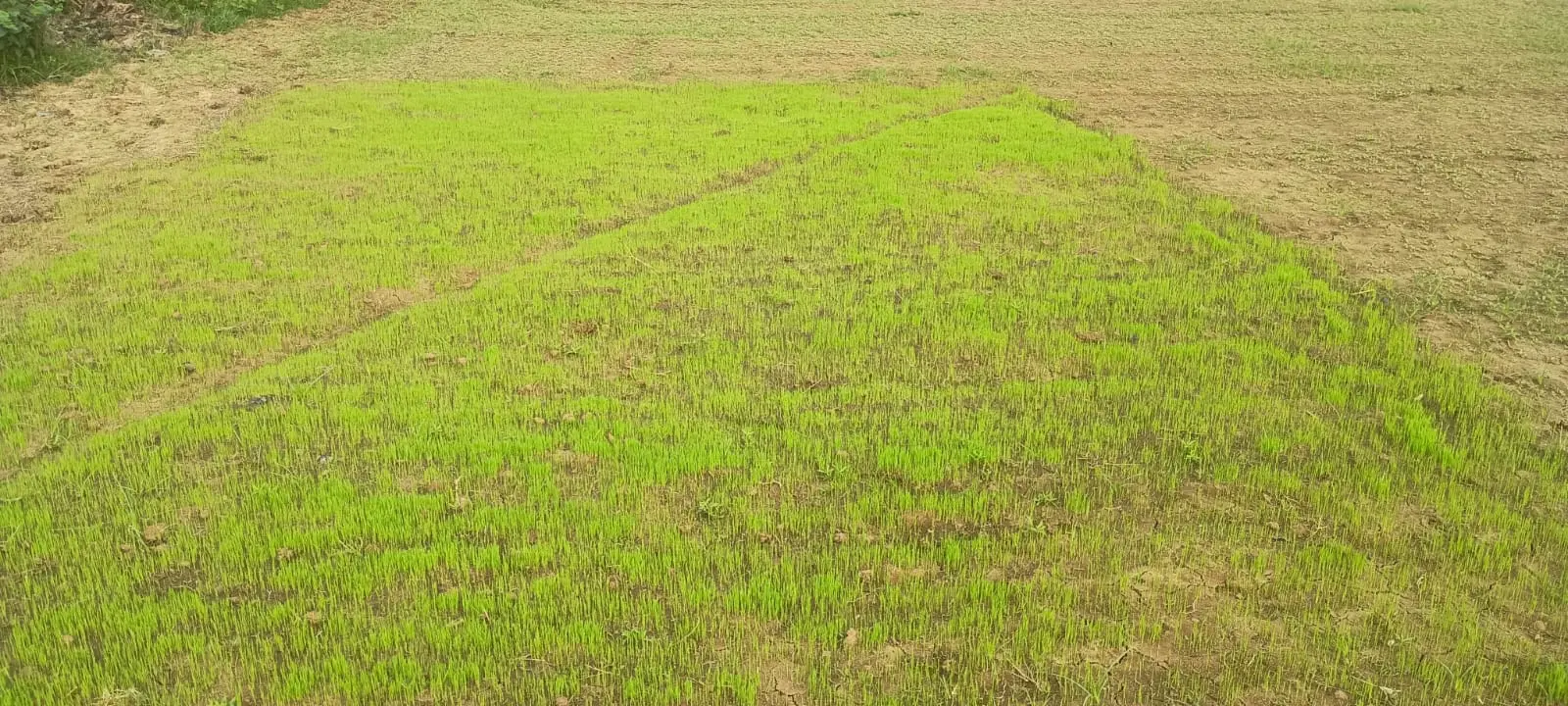
Transplanting is usually carried out during July and August.
Proper spacing promotes:
Balanced fertilization is essential for obtaining good yields and maintaining grain quality.
Many farmers use:
Organic inputs improve soil health and support sustainable cultivation.
Recommended nutrients generally include:
Excessive nitrogen application should be avoided as it may reduce grain quality and increase lodging.
Rice requires adequate moisture throughout the growing season.
Efficient water management enhances grain quality and reduces production costs.
Weeds compete with rice plants for nutrients, water, and sunlight.
Traditional hand weeding remains popular among small farmers.
Mechanical weeders help reduce labor costs.
Selective herbicides may be used when necessary under expert guidance.
Integrated weed management provides the best results.
Although Tulaipanji is relatively resilient, several pests can affect production.
Symptoms:
Symptoms:
Symptoms:
Farmers are encouraged to use:
Several diseases may affect Tulaipanji cultivation.
Affects:
Causes:
Symptoms include:
The crop matures approximately 140–150 days after sowing.
Timely harvesting prevents:
Post-harvest handling significantly influences market value.
Grains are dried to:
Proper storage prevents:
Careful milling preserves:
Compared to modern hybrid varieties, Tulaipanji yields are relatively lower.
However, higher market prices often compensate for reduced productivity.
Farmers frequently achieve better profitability due to premium pricing.
Tulaipanji plays a crucial role in the rural economy of North Bengal.
Consumers willingly pay premium prices because of:
The crop supports:
Growing international demand for specialty rice varieties offers significant export opportunities.
The Geographical Indication (GI) status has strengthened the identity of Tulaipanji rice.
GI status helps consumers identify genuine Tulaipanji rice while supporting local farming communities.
Many farmers are adopting environmentally friendly cultivation methods.
Organic cultivation reduces:
Combines:
Minimizes pesticide dependence and promotes ecological balance.
Despite its popularity, farmers encounter several difficulties.
Traditional varieties generally produce lower yields than hybrids.
Unpredictable weather patterns can affect:
Rice cultivation remains labor-intensive, increasing production costs.
Farmers sometimes face unstable market prices.
Mixing inferior rice varieties with genuine Tulaipanji can damage consumer trust and reduce brand value.
Various initiatives have been introduced to support Tulaipanji cultivation.
Agricultural universities and research institutions continue working to improve cultivation practices while preserving the variety's unique traits.
The future of Tulaipanji farming appears promising due to increasing demand for traditional and premium food products.
Developing strong value chains and improving market linkages can further enhance farmer profitability.
Modern processing, packaging, and digital marketing strategies can also help Tulaipanji reach wider domestic and international markets.
Tulaipanji rice represents an important agricultural and cultural heritage of West Bengal. Renowned for its aroma, taste, and premium quality, this traditional rice variety continues to provide livelihood opportunities for thousands of farmers in North Bengal. Although challenges such as lower yields, climate variability, and market competition persist, the growing demand for specialty rice varieties has created new opportunities for expansion.
The GI recognition of Tulaipanji has strengthened its identity and improved market prospects. By adopting sustainable farming practices, enhancing farmer awareness, and promoting value-added marketing strategies, West Bengal can further establish Tulaipanji as a premium rice brand both nationally and globally.
Preserving and promoting Tulaipanji farming is not only important for rural economic development but also for safeguarding India's rich agricultural biodiversity and traditional farming heritage for future generations.
Share:

Plant diseases caused by fungi are among the most common challenges faced by farmers, gardeners, nurseries, and commerci...
Healthy soil is the foundation of productive agriculture and successful gardening. Plants require nutrients, adequate mo...
In the world of sustainable agriculture, few genera of fungi have earned as much attention and respect as Trichoderma. T...
Trichoderma viride has earned its reputation as one of the most reliable biological weapons in a farmer's arsenal agains...