
Cart (0)
No products in the cart.
Chinese cuisine is loved worldwide for its bold flavors, glossy sauces, and perfectly balanced taste combinations. Whether it’s a simple stir-fry, crispy fried appetizer, or comforting noodle bowl, one element ties many dishes together — the sauce. And when it comes to achieving that smooth, restaurant-style consistency, cornflour plays a starring role.
Cornflour (also known as cornstarch in some countries) is a powerful thickening agent that gives Chinese sauces their signature shine, silky texture, and perfect coating ability. In this detailed guide, you’ll learn how cornflour works, the correct thickening technique, and step-by-step recipes for easy Chinese sauces you can prepare at home.

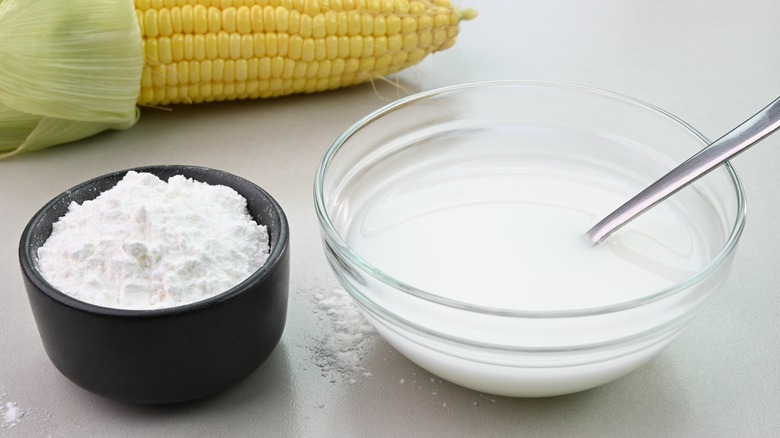

Cornflour is widely used in Chinese cuisine for several reasons:
When mixed with liquid and heated, cornflour thickens quickly. This creates that smooth, glossy sauce that clings beautifully to vegetables, meat, and noodles.
Cornflour does not alter the taste of your dish. It enhances texture without affecting the original flavors.
Chinese sauces are known for their shiny appearance. Cornflour gives that attractive glaze.
Unlike wheat flour, cornflour thickens almost instantly once heated, making it ideal for fast stir-fry cooking.
Before diving into recipes, it’s important to understand the proper technique.
Never add dry cornflour directly to hot liquid. It will form lumps.
Instead:
This mixture is called a slurry.
Add the slurry at the final stage of cooking and stir continuously.
Allow the sauce to simmer for 30–60 seconds until it thickens and becomes glossy.
Now let’s explore the most popular and easy Chinese sauces made using cornflour.

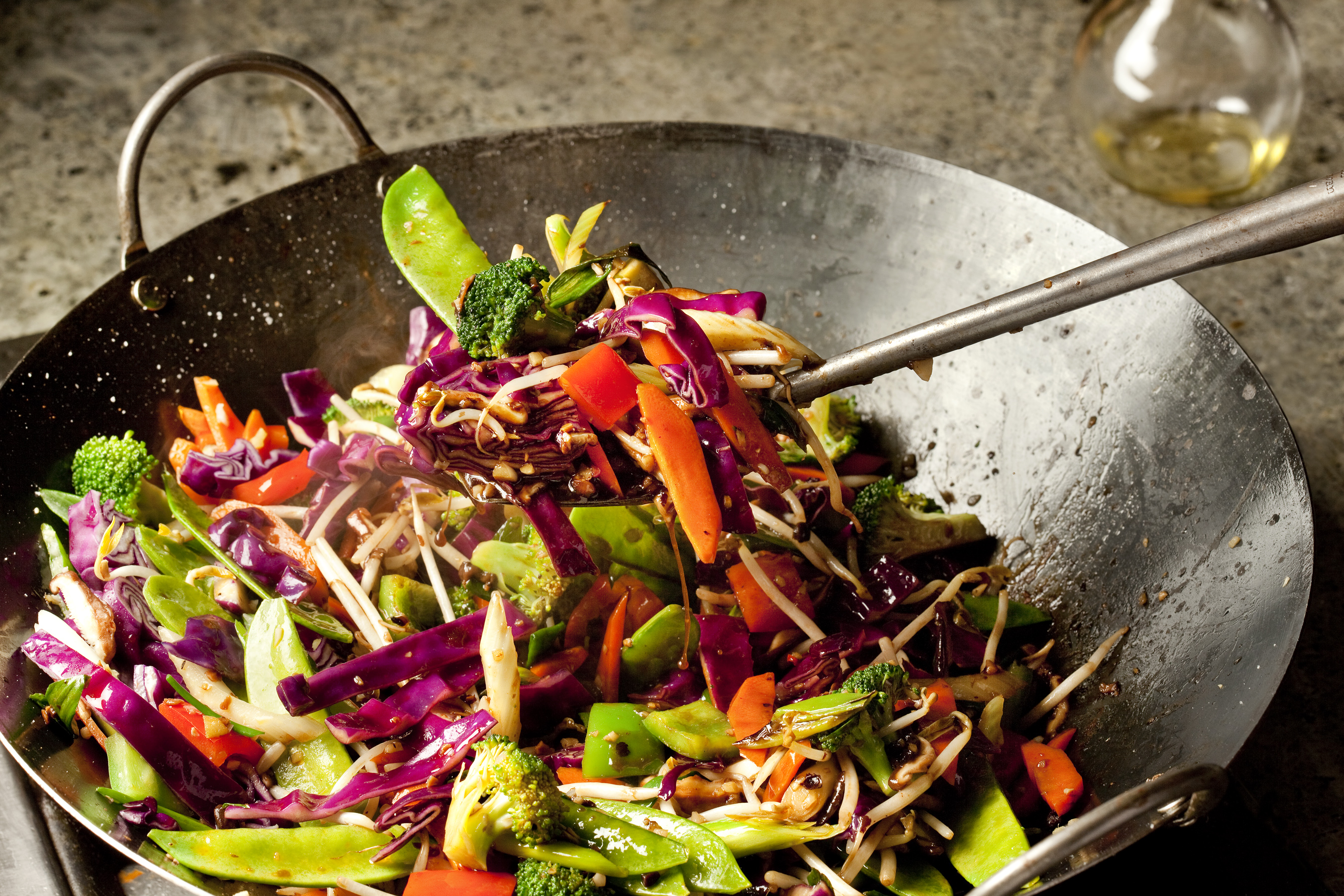

This is the base sauce used in most Indo-Chinese and Chinese dishes.
Best For: Vegetable stir fry, chicken stir fry, tofu dishes, fried rice topping.

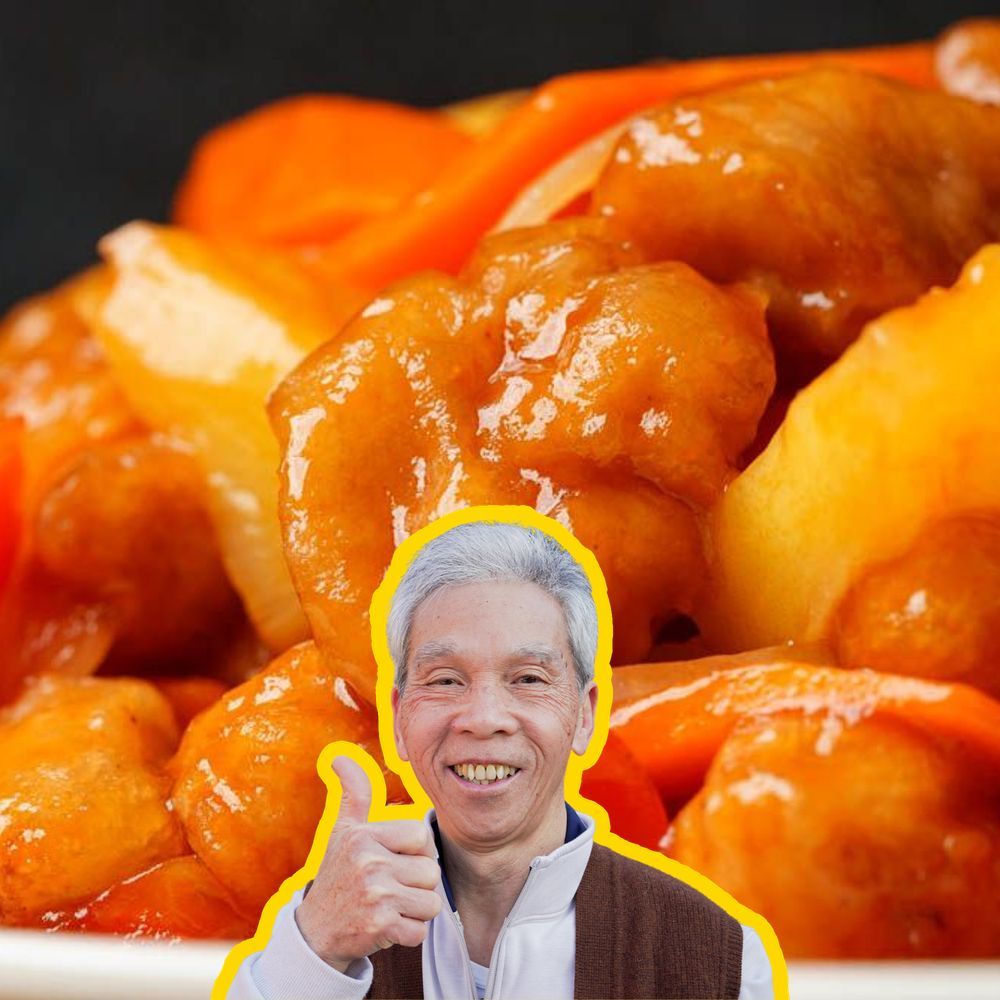
A favorite worldwide, especially in Indo-Chinese cuisine.
Optional: Add pineapple juice for authentic flavor.
Best For: Sweet & sour chicken, paneer, cauliflower, or Manchurian balls.

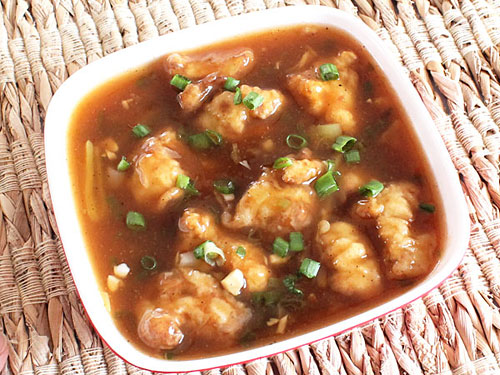

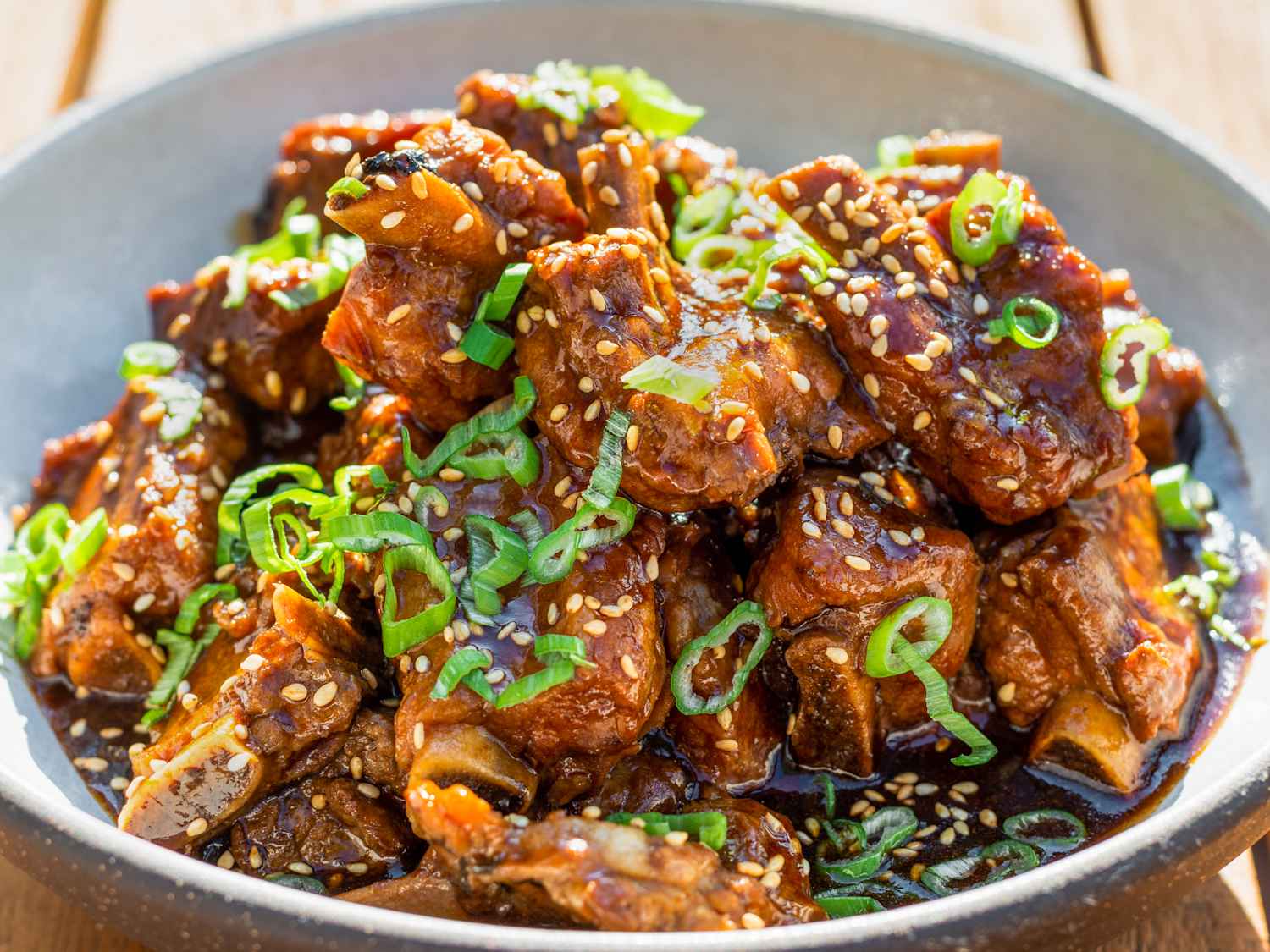
Popular in Indo-Chinese cuisine.
Tip: For dry Manchurian, use less water and just a light coating.
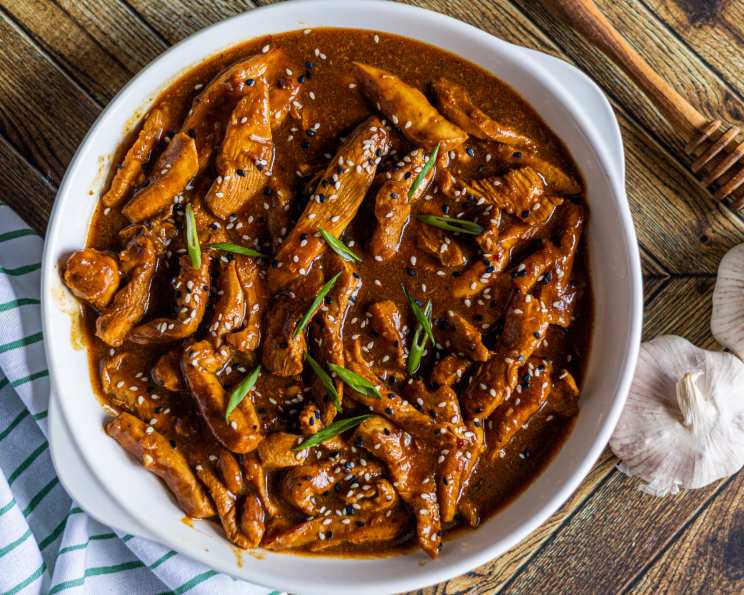

Perfect for garlic lovers.
Best For: Garlic chicken, paneer, mushrooms, broccoli.
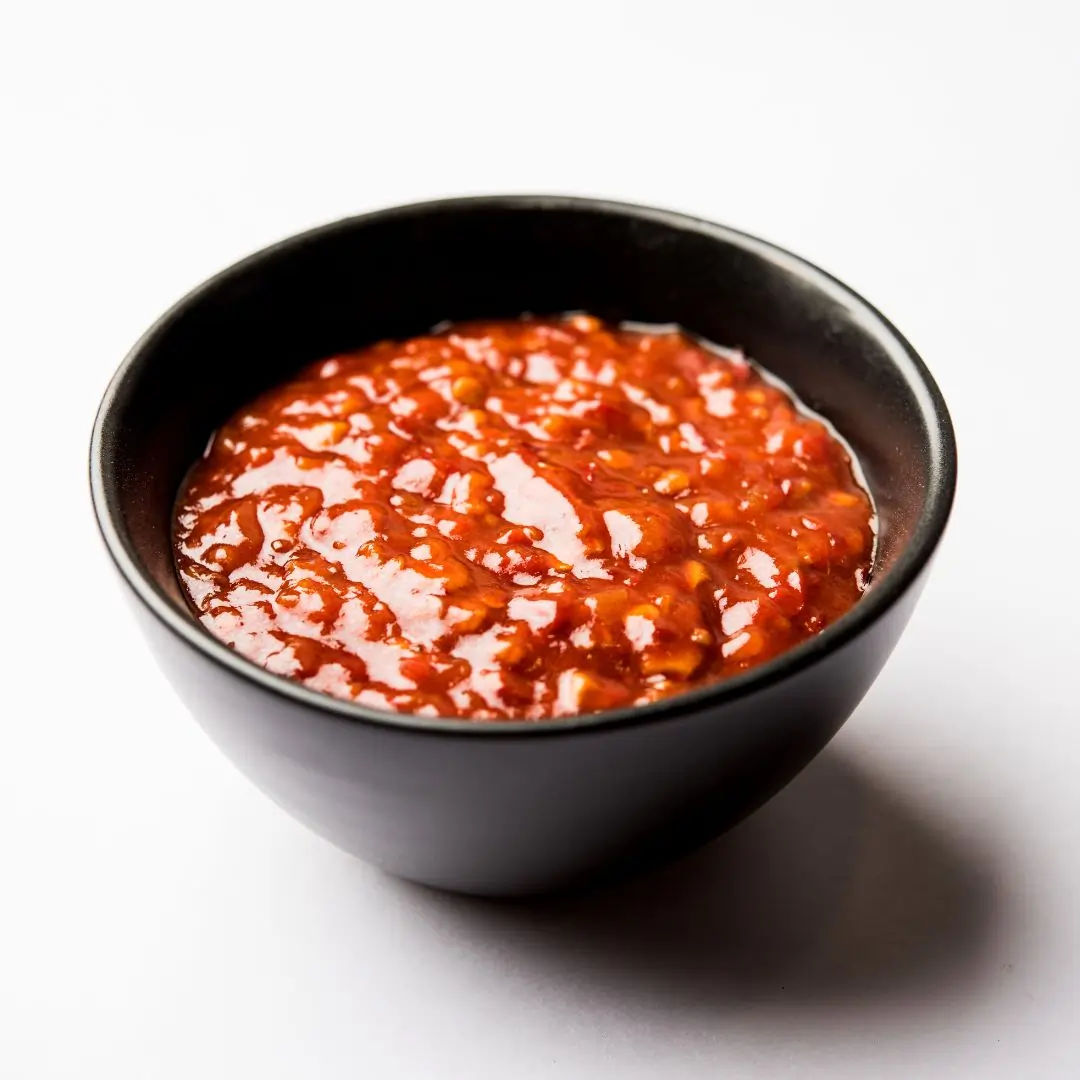
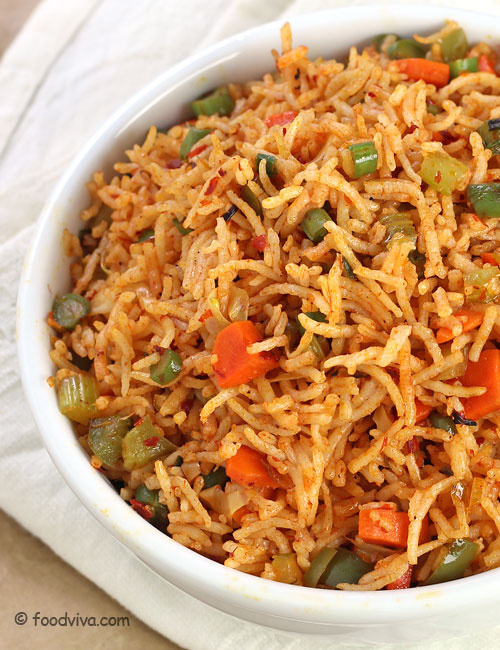

Inspired by Sichuan cuisine but adapted in Indo-Chinese style.
Best For: Schezwan noodles, fried rice, momos.

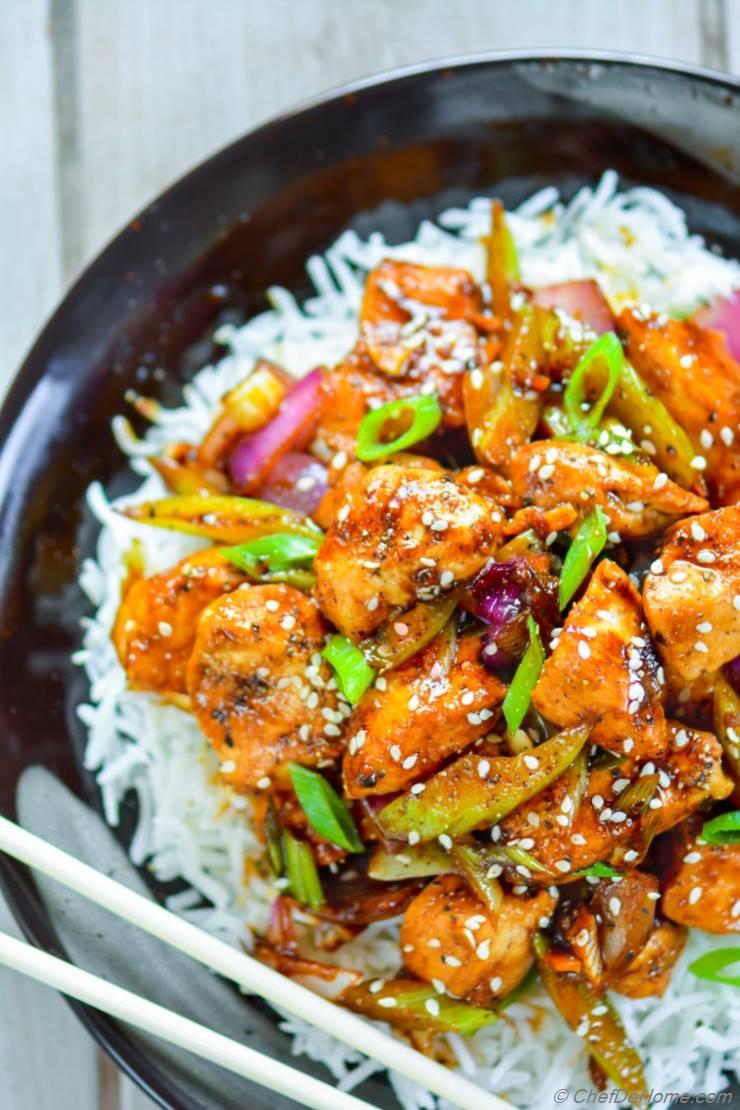

Savory and mildly spicy.
Best For: Black pepper chicken, beef, mushrooms.

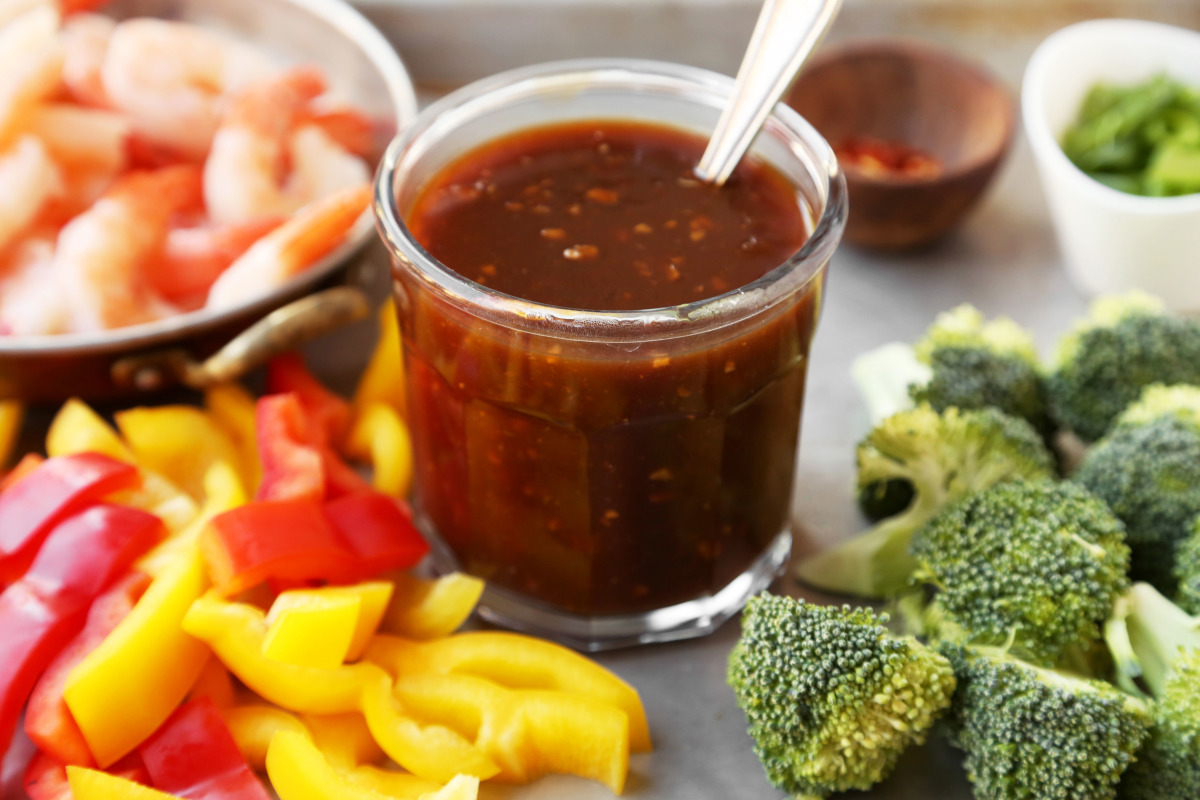

A restaurant classic.
Cook and thicken just like other sauces.
General rule:
Cornflour is low in fat but high in carbohydrates. When used in small quantities, it adds minimal calories. For a healthier version:
Cornflour is the secret ingredient behind silky, glossy, restaurant-style Chinese sauces. With just a simple slurry technique, you can transform basic ingredients like soy sauce, garlic, and vinegar into delicious gravies that coat noodles, rice, vegetables, and meats perfectly.
From classic stir-fry sauce to sweet and sour, Manchurian, Schezwan, and black pepper sauce — mastering cornflour thickening will instantly elevate your homemade Chinese cooking.
Once you understand the technique, you can customize flavors easily and create your own signature sauce blends right in your kitchen.
If you cook frequently, keeping good-quality cornflour in your pantry ensures you’re always ready to prepare quick and delicious Chinese meals at home.
Share:

Moringa powder is an easy way to add a green ingredient to your everyday meals and drinks. Made from dried moringa leave...
There is something almost magical about a perfect chocolate mousse. It slides onto your spoon like silk, dissolves on yo...
There's a particular kind of magic in cutting into a cheesecake and watching it hold its shape — smooth, dense, and glos...
There is something quietly magical about watching a pool of fruit juice transform into a jiggly, translucent jelly right...