
Cart (0)
No products in the cart.
Custard is one of the most loved desserts across households. Creamy, smooth, and mildly sweet, it can be served on its own or paired with fruits, cakes, puddings, and even warm desserts. While many people buy ready-made custard powder, you can easily prepare delicious homemade custard using cornflour with just a few basic ingredients available in your kitchen.
In this detailed guide, you’ll learn:
Let’s get started.
Traditionally, custard is a dessert made from milk, sugar, and egg yolks, gently cooked until thickened. In classic French cuisine, custard forms the base of many desserts such as crème anglaise and pastry cream.
However, in many Indian households, eggless custard is more popular. Instead of eggs, we use cornflour (cornstarch) to thicken the milk. The result? A silky, creamy dessert that’s vegetarian-friendly and very easy to make.
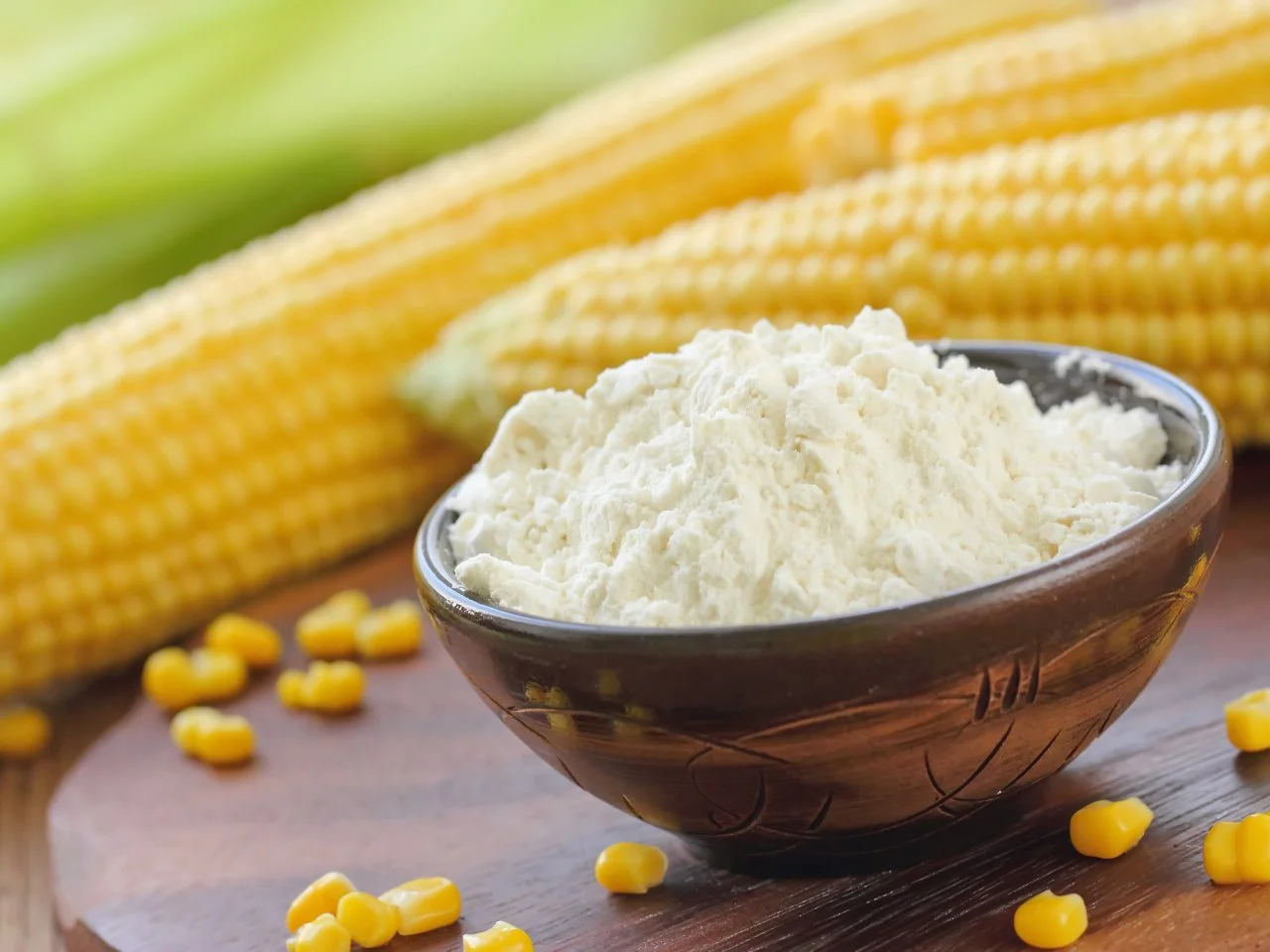
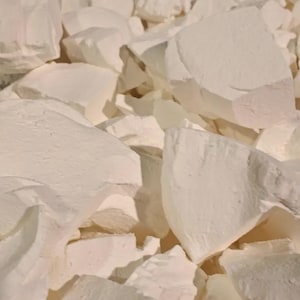

Cornflour is one of the most reliable thickening agents in cooking. When mixed with liquid and heated, it forms a smooth gel-like consistency.
Cornflour thickens through a process called gelatinization. When heated with liquid, starch granules absorb water and swell, giving custard its creamy body.
Here’s what you’ll need for a basic vanilla custard:
Take 2 tablespoons of cornflour in a small bowl.
Add 4–5 tablespoons of cold milk (taken from the 2 cups). Mix well until smooth.
Important: Always use cold milk to dissolve cornflour. Adding it directly to hot milk will cause lumps.
Pour the remaining milk into a heavy-bottom pan.
Add sugar and bring it to a gentle simmer over medium heat. Stir occasionally to prevent burning.
Do not let the milk boil vigorously.
Lower the heat.
Slowly pour the cornflour slurry into the simmering milk while stirring continuously.
Keep stirring to avoid lumps.
Continue stirring for 3–5 minutes.
You’ll notice the mixture thickening gradually. Once it coats the back of a spoon, it’s ready.
Turn off the heat and add vanilla extract.
Let the custard cool slightly.
It will thicken more as it cools.
Serve warm or refrigerate for 1–2 hours for chilled custard.
Custard thickness depends on your preference:
Remember, custard thickens more after cooling.
Lumpy custard is a common problem, but easy to prevent.
✔ Always mix cornflour in cold milk
✔ Stir continuously after adding slurry
✔ Keep heat medium-low
✔ Use a whisk for smoother texture
✔ Strain the custard if lumps form
If lumps appear, quickly blend using a hand blender.
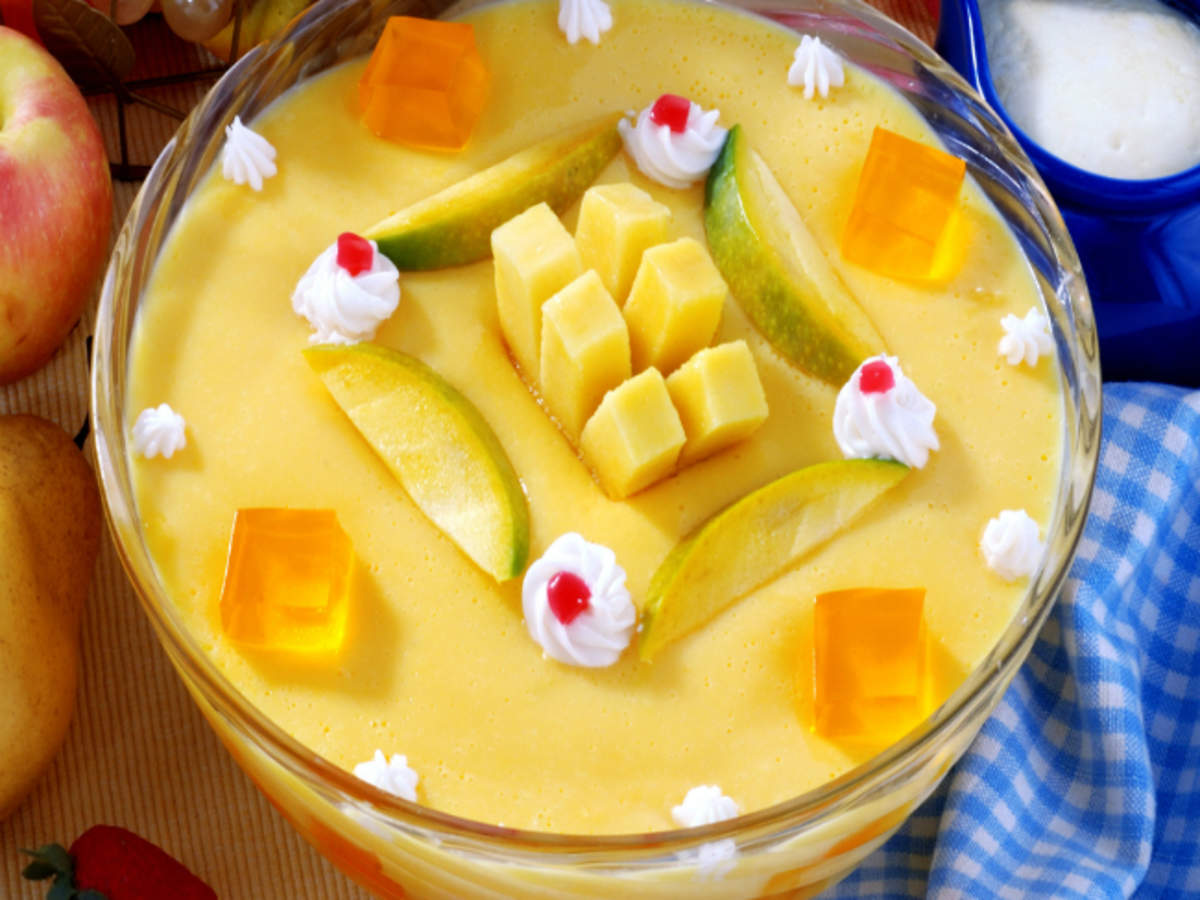


Once you master the basic recipe, try these delicious variations:
Add fresh mango puree after cooking. Chill before serving.
Add 1 tablespoon cocoa powder while heating milk.
Blend fresh strawberries and mix into cooled custard.
Add soaked saffron and a pinch of cardamom powder for a rich Indian flavor.
Fruit custard is extremely popular in India.
Add fruits only after custard cools completely. Adding fruits to hot custard can make them watery.
Chill for 2 hours before serving.
Yes! Vanilla is optional.
You can replace it with:
Absolutely.
You can use:
Avoid adding jaggery directly to boiling milk as it may curdle.
If it becomes too thick after refrigeration, add 1–2 tablespoons milk and whisk gently.
This causes instant lumps.
High heat can burn milk or cause uneven thickening.
Custard can stick to the bottom quickly.
Overcooking can make custard too thick and gluey.
Homemade custard can be healthier than store-bought versions because:
However, it is still a dessert and should be consumed in moderation.
For a healthier version:
Yes!
Replace dairy milk with:
The thickening process remains the same.
Coconut milk gives a richer texture.
Custard powder usually contains:
When you make custard at home using cornflour, you skip additives and customize flavors naturally.


Here are creative ways to serve custard:
Custard is incredibly versatile.
You may have used less cornflour or not cooked it long enough.
You may have added too much cornflour or overcooked it.
Yes, reheat gently on low heat and add a little milk if needed.
Absolutely. Just maintain the same ratio of ingredients.
Ingredients:
Method:
Making homemade custard using cornflour is incredibly simple and rewarding. With just milk, sugar, and cornflour, you can create a smooth, creamy dessert in under 15 minutes.
Whether you enjoy it plain, with fruits, or layered in a trifle, this eggless custard recipe is a must-try for every home cook.
Once you try making custard from scratch, you’ll realize how easy and customizable it is. No preservatives, no artificial flavors — just pure homemade goodness.
Now it’s your turn. Head to your kitchen and try this easy cornflour custard recipe today!
Share:

Moringa powder is an easy way to add a green ingredient to your everyday meals and drinks. Made from dried moringa leave...
There is something almost magical about a perfect chocolate mousse. It slides onto your spoon like silk, dissolves on yo...
There's a particular kind of magic in cutting into a cheesecake and watching it hold its shape — smooth, dense, and glos...
There is something quietly magical about watching a pool of fruit juice transform into a jiggly, translucent jelly right...