
Cart (0)
No products in the cart.
Cornflour is one of the most versatile and widely used kitchen ingredients for thickening soups, sauces, gravies, desserts, and even Indo-Chinese dishes. Whether you’re preparing a silky custard, a glossy stir-fry sauce, or a hearty curry, cornflour can help you achieve the perfect consistency without altering the flavor of your dish.
In this detailed guide, you’ll learn what cornflour is, how it works as a thickener, step-by-step methods to use it correctly, common mistakes to avoid, and pro tips for perfect results every time.
Cornflour is a fine white powder made from the starchy part (endosperm) of corn kernels. In India and the UK, “cornflour” usually refers to what Americans call cornstarch. It is pure starch, meaning it contains no protein or fiber — just carbohydrates.
Because it is flavorless and colorless when cooked, it’s ideal for thickening both savory and sweet dishes without affecting taste.
Cornflour thickens through a process called gelatinization.
When mixed with liquid and heated:
This process typically begins at around 62–72°C, and the mixture thickens fully once it reaches a gentle boil.
One major advantage of cornflour over flour is that it produces:
Here’s a quick comparison:
| Feature | Cornflour | Wheat Flour |
|---|---|---|
| Thickening Power | Stronger | Moderate |
| Texture | Smooth & glossy | Slightly cloudy |
| Flavor | Neutral | Slight wheat taste |
| Cooking Time | Quick | Longer |
| Gluten | Gluten-free | Contains gluten |
Cornflour is especially useful when you want a shiny, restaurant-style finish — like in Chinese gravies or fruit sauces.
Never add dry cornflour directly into hot liquid — it will form lumps instantly.
Instead:
This mixture is called a cornflour slurry.
Cornflour activates only when heated properly.
Here’s a practical guide:
Always start with less — you can add more if needed.
Cornflour is perfect for:
Add slurry at the final stage while stirring. Boil for 1–2 minutes until glossy.

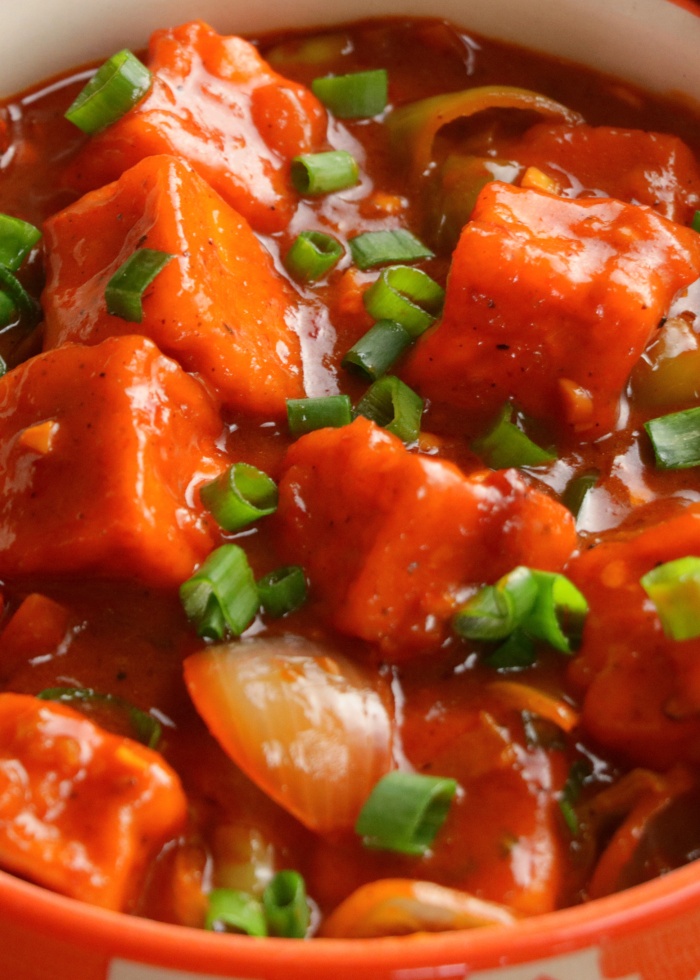

Cornflour is widely used in:
It gives gravies a smooth, shiny finish without making them heavy.
Tip: Add slurry gradually and stir continuously to avoid over-thickening.
Cornflour works beautifully in:
It helps sauces coat vegetables or noodles evenly.
Cornflour is often used in:
Important tip:
Always mix cornflour with cold milk before adding to hot milk to prevent lumps.
Cornflour also adds crispiness.
This causes instant lumps.
If not heated enough, the mixture stays thin.
Too much heat can break down the starch, making the sauce thin again.
Cornflour thickens rapidly. Excess can make food:
Always add gradually.
If your dish becomes too thick:
Yes, but with caution.
Yes, but not as a main flour substitute.
It is used in:
It helps reduce gluten formation and creates softer crumbs.
Yes. Pure cornflour is naturally gluten-free, making it suitable for:
However, always check packaging for cross-contamination warnings.
Agar agar sets into a firm gel.
Cornflour thickens but does not set solid.
Proper storage keeps it fresh for months.
Cornflour itself is mainly carbohydrates and does not promote weight loss. However, because it thickens quickly:
Use moderately as part of a balanced diet.
Not recommended. It will form lumps.
You may have:
No. Use cold liquid only.
Cornflour thickens when hot. Cooling can slightly loosen the texture. Reheat gently to restore thickness.
Ingredients:
Method:
You’ll get a smooth, glossy gravy in minutes.
Cornflour is an essential kitchen ingredient that delivers quick, smooth, and reliable thickening. From soups and gravies to sauces and desserts, it provides:
The key is simple:
Always mix with cold liquid first, add gradually, and heat properly.
Once you master this technique, you’ll be able to control the texture of your dishes like a professional chef.
If you cook Indo-Chinese dishes, restaurant-style curries, or creamy desserts at home, cornflour will quickly become your go-to thickening agent.
Now that you know exactly how to use cornflour correctly, your soups will be smoother, your gravies shinier, and your sauces perfectly thick — every single time.
Share:

Moringa powder is an easy way to add a green ingredient to your everyday meals and drinks. Made from dried moringa leave...
There is something almost magical about a perfect chocolate mousse. It slides onto your spoon like silk, dissolves on yo...
There's a particular kind of magic in cutting into a cheesecake and watching it hold its shape — smooth, dense, and glos...
There is something quietly magical about watching a pool of fruit juice transform into a jiggly, translucent jelly right...