
Cart (0)
No products in the cart.
Baking powder is one of the most essential ingredients in modern baking. From fluffy cakes and soft muffins to tender pancakes and quick breads, baking powder plays a critical role in giving baked goods their light texture and pleasant rise. Although it is commonly found in almost every kitchen, many home bakers and even professionals are not fully aware of how baking powder works, how it differs from baking soda, the different types available, and how to use it correctly for the best results.
This comprehensive guide explains everything you need to know about baking powder—its composition, types, benefits, culinary uses, how it functions in baking, common mistakes, storage tips, and frequently asked questions. Whether you are a beginner baker or a food business owner, this article will help you understand baking powder in depth.
Baking powder is a chemical leavening agent used in baking to help doughs and batters rise. Unlike yeast, which is a biological leavening agent that requires time to ferment, baking powder works instantly through chemical reactions that produce carbon dioxide gas. This gas forms bubbles in the batter, causing it to expand and rise during baking.
Baking powder is typically used in recipes that do not contain acidic ingredients or do not need long fermentation times. It is widely used in cakes, cookies, muffins, biscuits, pancakes, waffles, and many quick breads.
Baking powder is a carefully balanced mixture of three main components:
The starch plays an important role by keeping the base and acid dry and separate until baking powder is mixed into a wet batter.
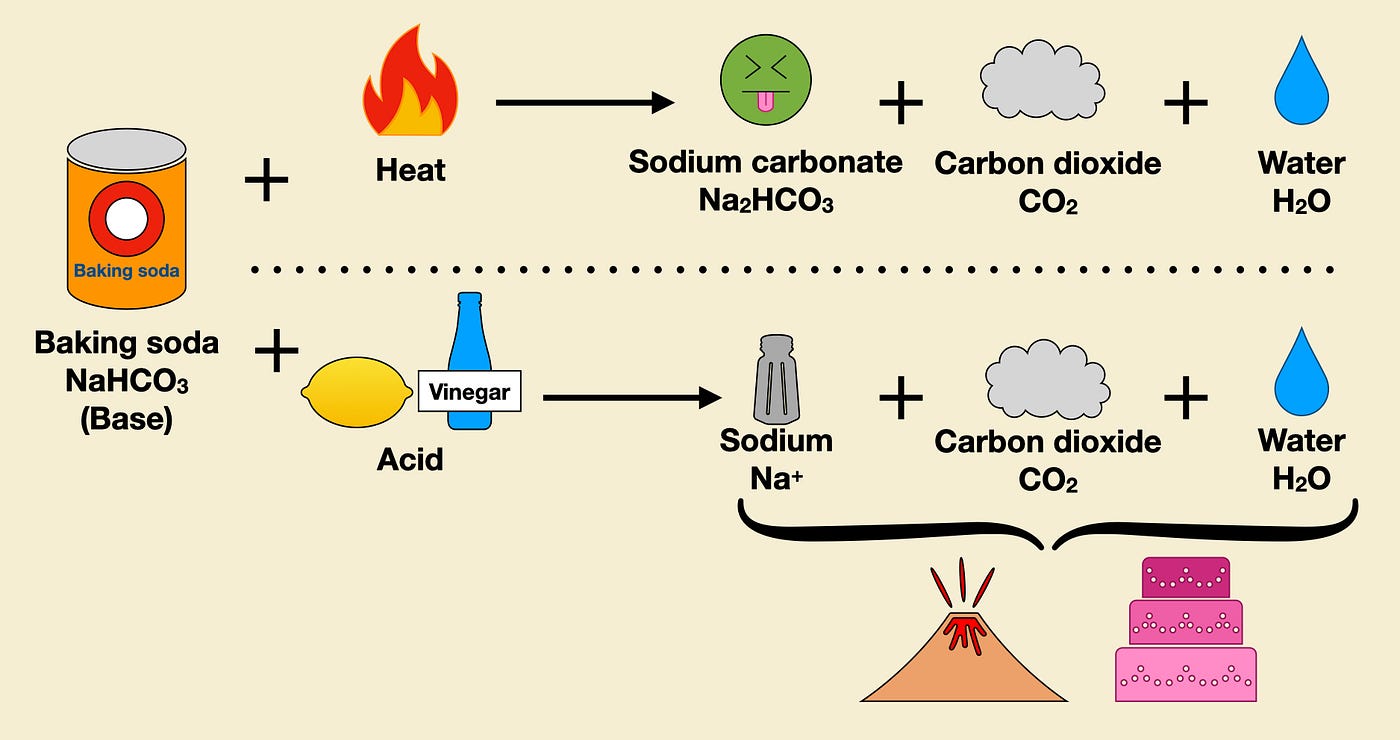
There are several types of baking powder, each with slightly different characteristics.
Single-acting baking powder reacts immediately when mixed with liquid. All the carbon dioxide is released at once, which means the batter must be baked right away. This type is less common today but was widely used in the past.
Best for:
Double-acting baking powder is the most commonly used type today. It releases carbon dioxide in two stages:
This provides more reliable and consistent rising.
Best for:
Some baking powders contain aluminum-based acids. Aluminum-free baking powder uses alternative acids and is preferred by many bakers to avoid metallic aftertastes.
Best for:
Many people confuse baking powder with baking soda, but they are not interchangeable.
| Feature | Baking Powder | Baking Soda |
|---|---|---|
| Contains Acid | Yes | No |
| Needs Acidic Ingredient | No | Yes |
| Reaction Speed | Controlled | Fast |
| Taste if Overused | Slightly bitter | Soapy/metallic |
| Common Uses | Cakes, muffins | Cookies, breads with yogurt or lemon |
Using baking soda instead of baking powder (or vice versa) can result in flat, dense, or bitter baked goods.
Baking powder is extremely versatile and is used in a wide range of recipes.
Baking powder provides predictable and even rising, making it ideal for home and commercial baking.
Unlike yeast, baking powder works instantly, saving time and simplifying recipes.
When used correctly, baking powder does not affect the taste of baked goods.
It works in a wide variety of recipes, from sweet to savory.
Baking powder is easy to use and forgiving compared to other leavening agents.
Using the right amount of baking powder is crucial.
Always measure baking powder accurately using proper measuring spoons.
Baking powder loses its effectiveness over time.
Always check the expiration date and test before use.
Baking powder is safe for consumption when used in recommended quantities.
Yes, you can make a simple homemade baking powder substitute.
Mix well and store in an airtight container. This homemade version works best as a single-acting baking powder.
In commercial food production, baking powder is used for:
Manufacturers often use specialized formulations for specific applications such as cakes, cookies, or frozen batters.
Most baking powders are gluten-free, but always check the label to be sure.
While baking soda is more common for cleaning, baking powder has limited non-culinary uses due to added acids and starch.
This usually happens due to overuse or the presence of aluminum-based acids.
Baking powder cannot replace yeast in recipes that rely on fermentation and flavor development, such as bread.
Baking powder is a small ingredient with a big impact. Understanding how it works, the different types available, and how to use it correctly can dramatically improve your baking results. Whether you are making a soft sponge cake, fluffy pancakes, or tender cookies, baking powder ensures reliable rise and texture every time.
By choosing the right type, measuring accurately, storing it properly, and using it in the right recipes, you can unlock the full potential of baking powder and elevate your baking skills to the next level.
If you are involved in home baking, professional kitchens, or food product development, mastering baking powder is an essential step toward consistent, high-quality results.
Share:

Moringa powder is an easy way to add a green ingredient to your everyday meals and drinks. Made from dried moringa leave...
Moringa powder is one of the most nutrient-dense superfoods on the planet, packed with vitamins, minerals, antioxidants,...
Moringa powder has earned its reputation as one of the most nutrient-dense superfoods on the planet. With claims ranging...
Moringa has become increasingly popular among people looking for convenient ways to include nutrient-rich plant foods in...